
The quick answer
A white ring sits in the finish, so gentle heat usually clears it: lay a clean cotton cloth over the mark and press with a warm dry iron for a few seconds at a time, checking often, or hold a hair dryer close and keep it moving. If heat does not fully work, rub a paste of non-gel white toothpaste and baking soda along the grain with a soft cloth, then wipe and wax. A dark ring means water reached the wood and usually needs refinishing.
What you’ll need
- A clean, dry cotton cloth or a white T-shirt
- A dry clothes iron, or a hair dryer
- Non-gel white toothpaste and baking soda
- A soft cloth
- Furniture wax or polish
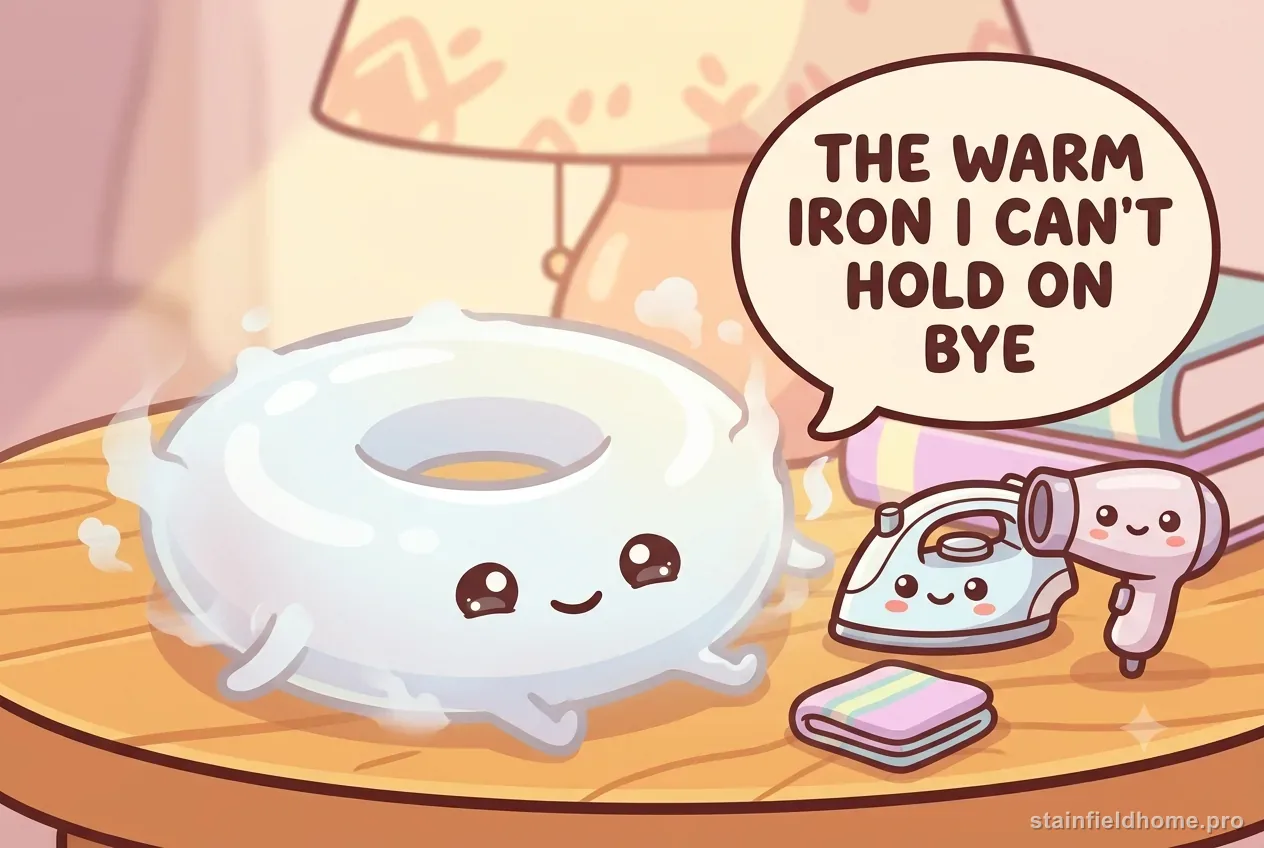
Hi. I'm the white ring your glass left on the table.
Someone set a cold drink down without a coaster, and here I am, a pale, cloudy circle. Good news first: I'm almost certainly sitting in the finish, not in the wood. Moisture got trapped under the surface and scattered the light, which is why I look milky.
Drive that moisture back out and I disappear. If I were dark brown or black, that would mean water soaked past the finish into the wood itself, and that is a harder, deeper problem.

Is it in the finish or the wood?
First tell white from dark. A white, cloudy, or bluish ring is trapped moisture in the finish; that is me, and the steps below work. A dark brown or black ring means water reached the wood and reacted with it; heat will not fix that, and it usually needs sanding and refinishing or an oxalic-acid wood bleach.
Next, know your finish. Modern tables are usually lacquer or polyurethane and take gentle heat fine. Shellac, French polish, oil, and wax finishes, common on antiques and fine furniture, can be softened or clouded by heat, so test in a hidden spot or take a valuable piece to a restorer.
How to clear me with heat
- 01
Make sure the surface is dry and dust-free. Lay a clean, dry cotton cloth flat over the ring.
- 02
Set a clothes iron to low with the steam off. Press it on the cloth for three to five seconds, then lift and check.
- 03
Repeat in short bursts, moving the iron slightly each time. The trapped moisture turns to vapor and escapes through the finish; you will usually see the ring fade within a minute or two.
- 04
A hair dryer works the same way with less risk: hold it a few inches from the ring on medium heat, keep it moving, and check every 30 seconds.
- 05
Stop as soon as the ring is gone. Let the spot cool, then buff with a dry cloth.
If heat does not fully clear me
An older or stubborn white ring may need a very mild polish. Mix a little non-gel white toothpaste with an equal amount of baking soda into a paste. With a soft, damp cloth, rub the paste gently along the wood grain, never across it, for about a minute.
Wipe clean with a barely-damp cloth, dry immediately, and check. Toothpaste is a fine abrasive that removes the top haze of the finish; go slowly, because too much pressure will dull the sheen and leave a spot you then have to wax out. Finish by applying furniture wax or polish over the area and buffing to match the rest of the table.
What drives the ring deeper
- A hot iron on its highest setting or with steam on; it can blister lacquer and add heat marks
- Heat on shellac, oil, or wax finishes without testing first; it can soften or cloud them
- Rubbing abrasive paste across the grain, or pressing hard, which leaves permanent dull scratches
- Soaking the ring with water or oil, which can worsen trapped moisture
- Treating a dark ring with heat; the water is in the wood, and heat will not move it
- Skipping the wax at the end, which leaves the polished spot looking different from the table

Shellac, lacquer, polyurethane, and oil
On modern polyurethane or lacquer, the iron or hair-dryer method clears me quickly and safely. On a satin finish, work slowly with the abrasive step because it is easy to create a shiny patch.
On oiled wood such as teak and some walnut pieces, skip heat and instead rub fine steel wool or the toothpaste paste lightly along the grain, then re-oil the whole board so the spot blends. On wax finishes and antiques, do not guess: a light haze can sometimes be buffed with a soft cloth and more wax, but heat and abrasives can ruin an original surface, so a furniture restorer is the safe call.
I have relatives you treat the same way. A heat mark, the white cloudiness left by a hot mug or a pizza box, is also trapped moisture and vapor in the finish, and the low-iron or hair-dryer method clears it. A cloudy patch spreading over a whole tabletop, sometimes called blushing, is the same problem on a larger scale, usually from humidity or a damp cloth left lying on the surface; treat it in overlapping sections with gentle heat. What none of these methods touch is a white bloom that turns out to be dried polish or wax buildup, which needs a wood cleaner, not heat.
Coasters and other small habits
Coasters and felt pads under anything that holds a drink or a warm mug. A tablecloth or runner where people set things down absorbs the condensation that creates me.
Wiping up spills and rings of condensation right away, before the moisture works under the finish, stops me from forming at all. A yearly coat of furniture wax keeps the finish sealed so moisture sits on top instead of sinking in.
Common questions
FAQ
How do I know if it is a white ring or a dark ring?
Look at the color. White, cloudy, gray, or bluish means moisture trapped in the finish; heat and gentle polishing remove it. Dark brown or black means water soaked into the wood itself and reacted with it, which usually needs sanding and refinishing or a wood-bleach treatment.
Does the toothpaste trick really work on water rings?
For a white ring that heat did not fully clear, a non-gel toothpaste and baking soda paste rubbed lightly along the grain can polish away the haze, because toothpaste is a mild abrasive. Use it sparingly; too much pressure dulls the finish and creates a new spot to fix.
Can I use a hair dryer instead of an iron?
Yes, and it is lower risk. Hold it a few inches away on medium heat, keep it moving over the ring, and check every 30 seconds. It works the same way as the iron, warming the finish so trapped moisture evaporates out, with less chance of a heat mark.
Sources reviewed
Keep reading
Related guides
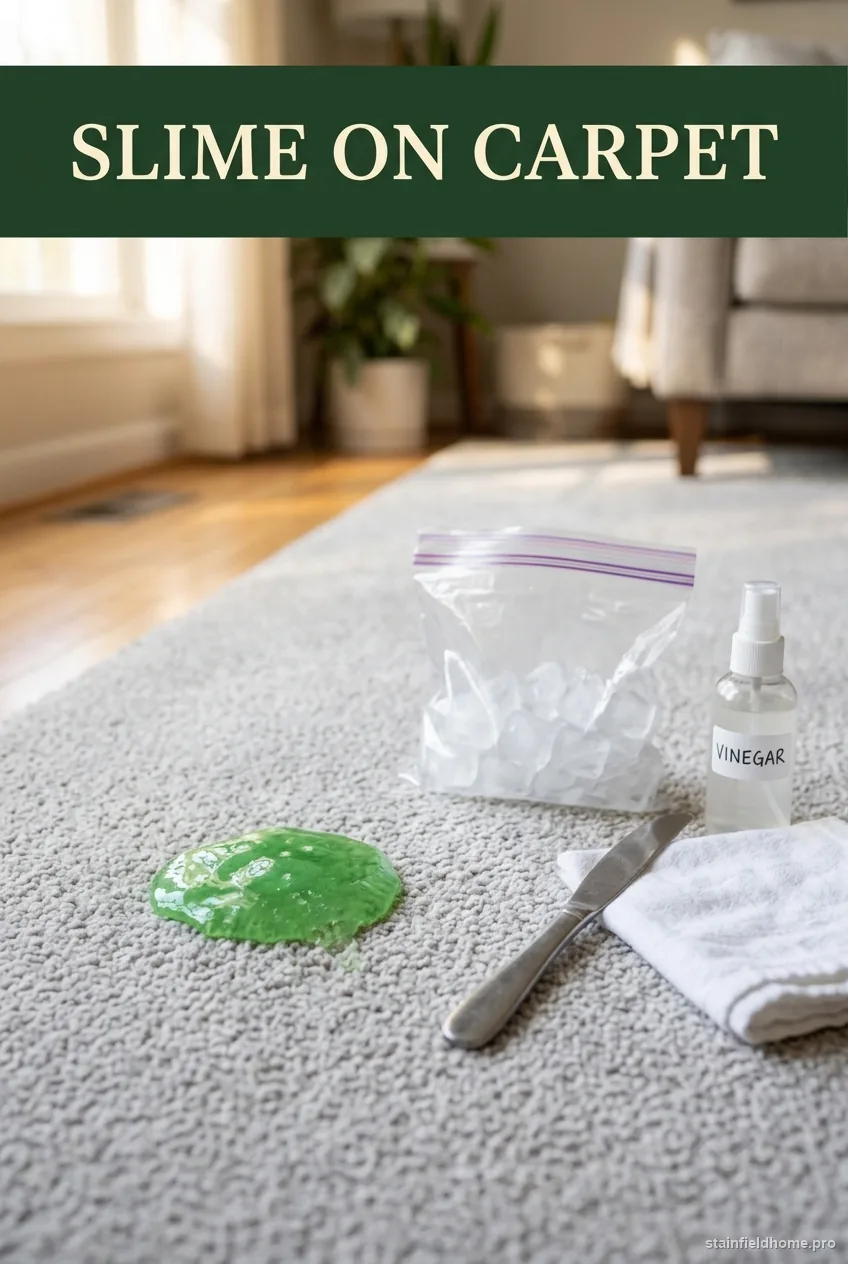
Slime on Carpet
How to Remove Slime From Carpet Without Damaging the Fibers
Lift dried or fresh slime out of carpet fibers with an ice-and-scrape method plus a vinegar or rubbing alcohol rinse, without soaking the backing or bleaching the color.
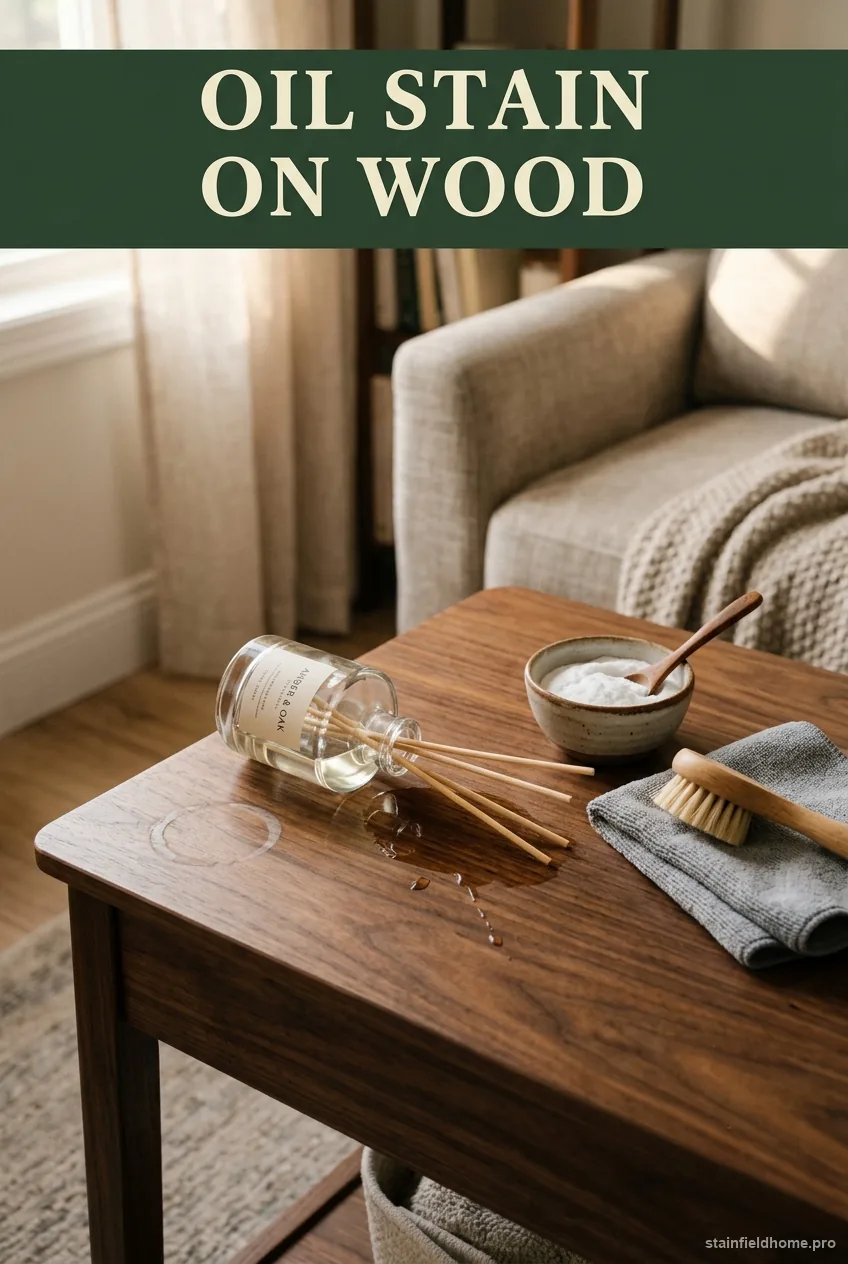
Essential oil and reed-diffuser oil on Finished wood furniture
How to Remove Essential Oil and Diffuser Stains From Wood Furniture
Blot a diffuser-oil spill on finished wood, use a cautious absorbent step, and recognize when the finish needs a furniture repair professional.
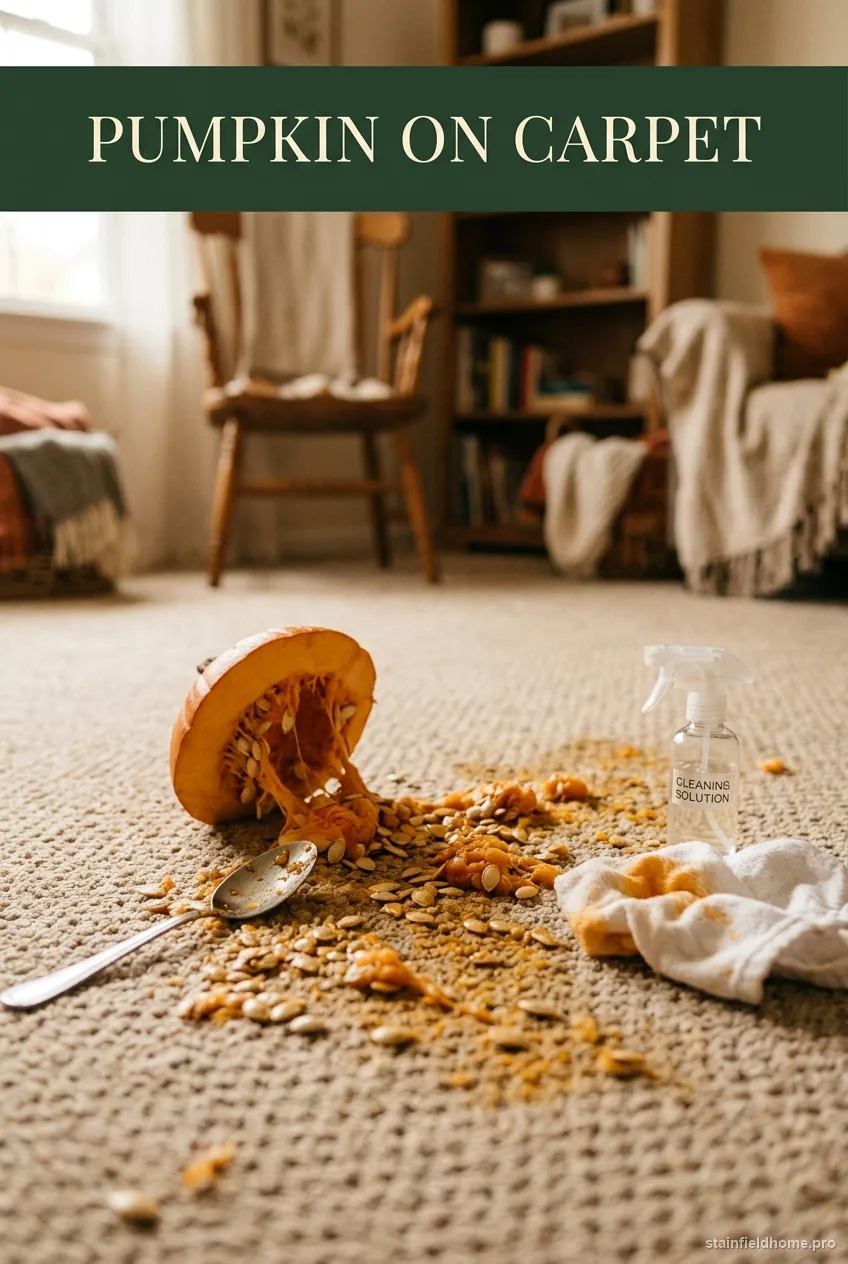
Pumpkin (carving, decorating, or puree) on Carpet
How to Remove Pumpkin Stains From Carpet
Remove pumpkin pulp and treat any remaining orange mark on carpet with a careful, low-moisture sequence that follows the carpet maker's guidance.
Sweat on Baseball cap
How to Remove Sweat Stains and Odor From a Baseball Cap
Lift yellow sweat stains and odor from the sweatband of a baseball cap without warping the brim or shrinking the crown.