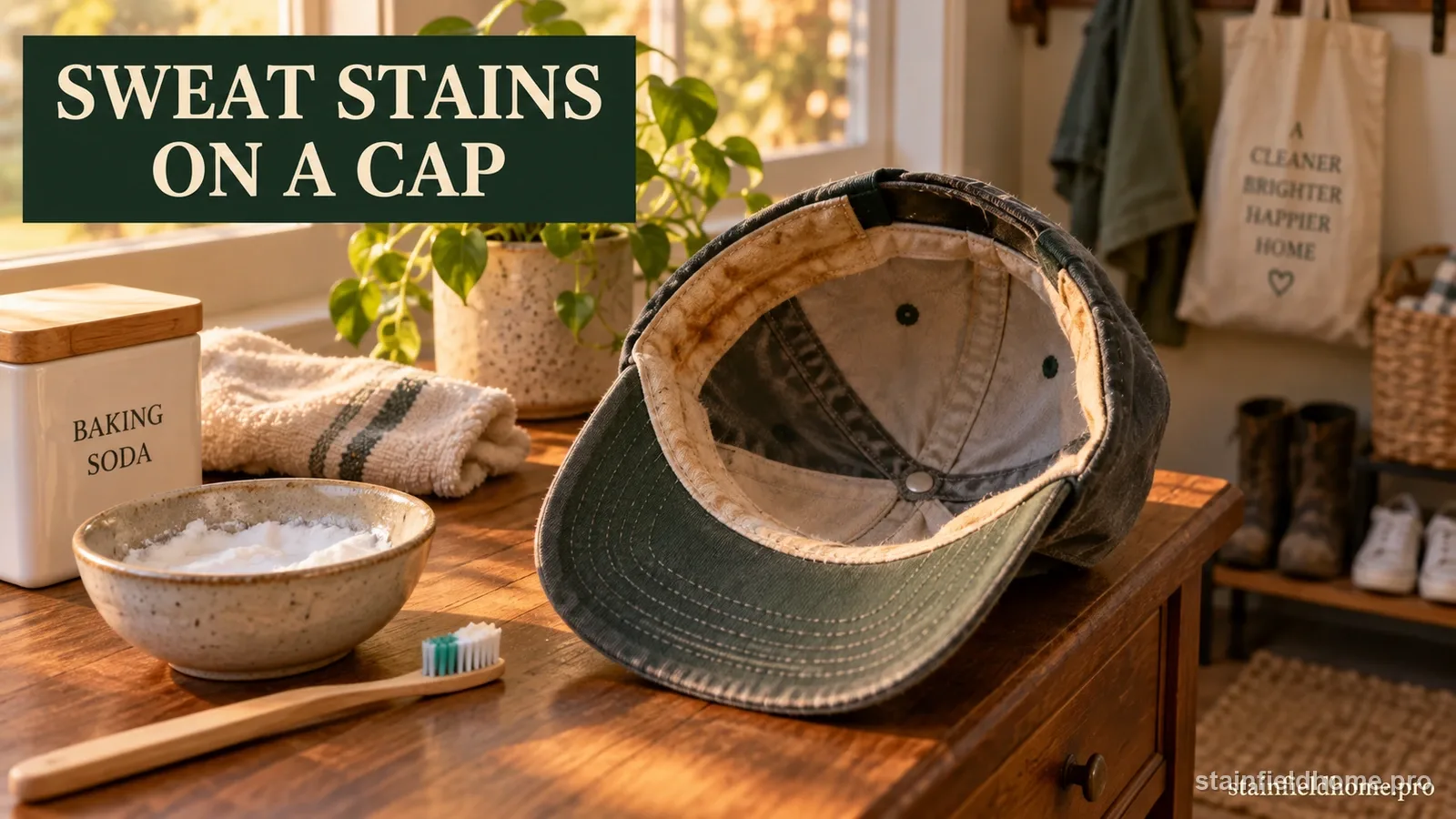
Sweat on Baseball cap
How to Remove Sweat Stains and Odor From a Baseball Cap
Lift yellow sweat stains and odor from the sweatband of a baseball cap without warping the brim or shrinking the crown.
A practical home-care field guide
Clear, material-aware steps for the exact spill in front of you—before a rushed internet trick turns one mark into permanent damage.
Lift liquid with a plain white towel before you add a cleaner. What comes next depends on the fiber or finish.
Sweat on Baseball cap
Lift yellow sweat stains and odor from the sweatband of a baseball cap without warping the brim or shrinking the crown.
Built around real material differences
Latest field notes
Each guide is scoped to one stain-and-surface pair, with a separate path for fresh and set marks.
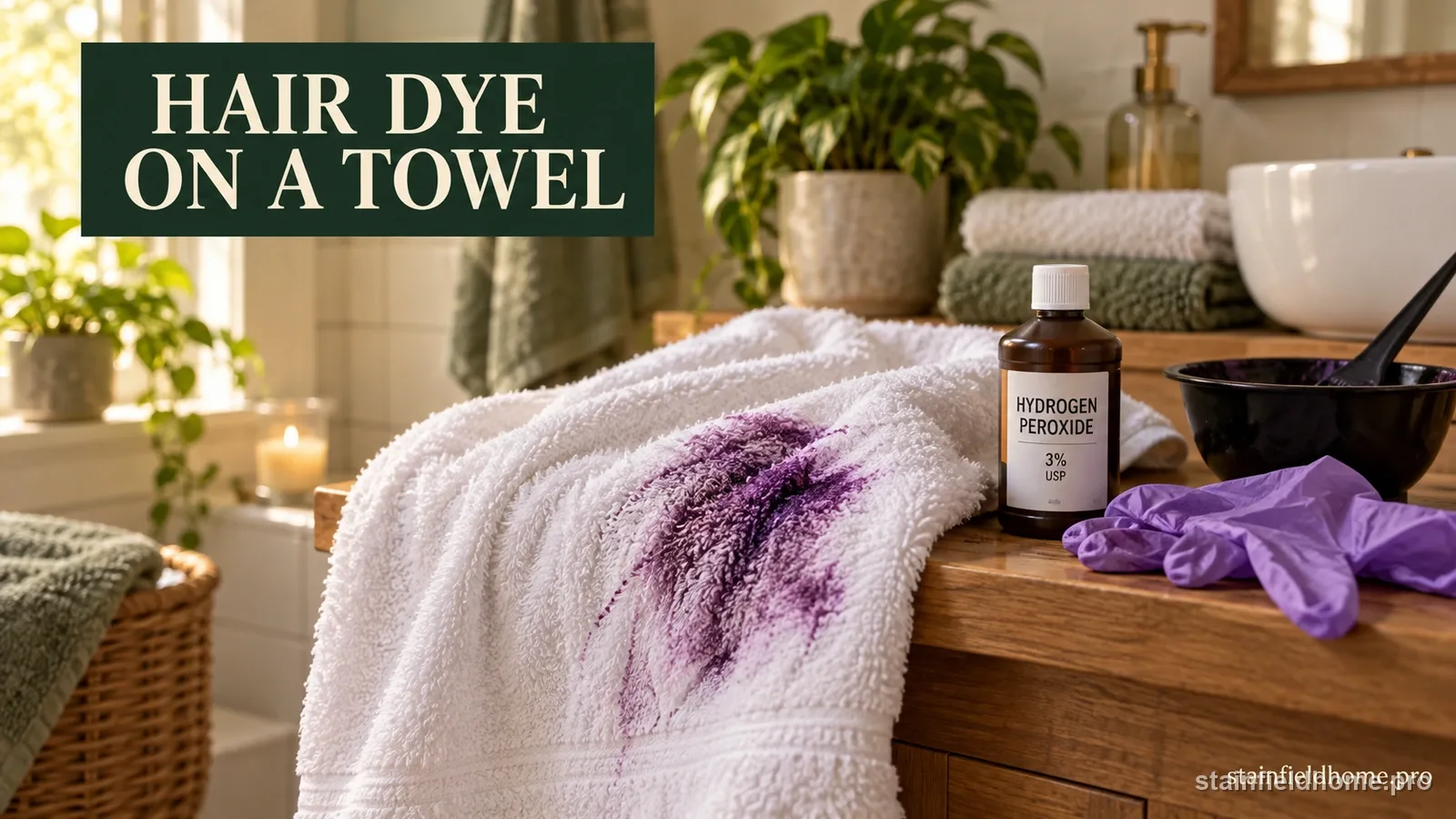
Hair dye on Bath towel
Treat fresh or set permanent and semi-permanent hair dye stains on a cotton bath towel, and know when a stain is truly permanent.
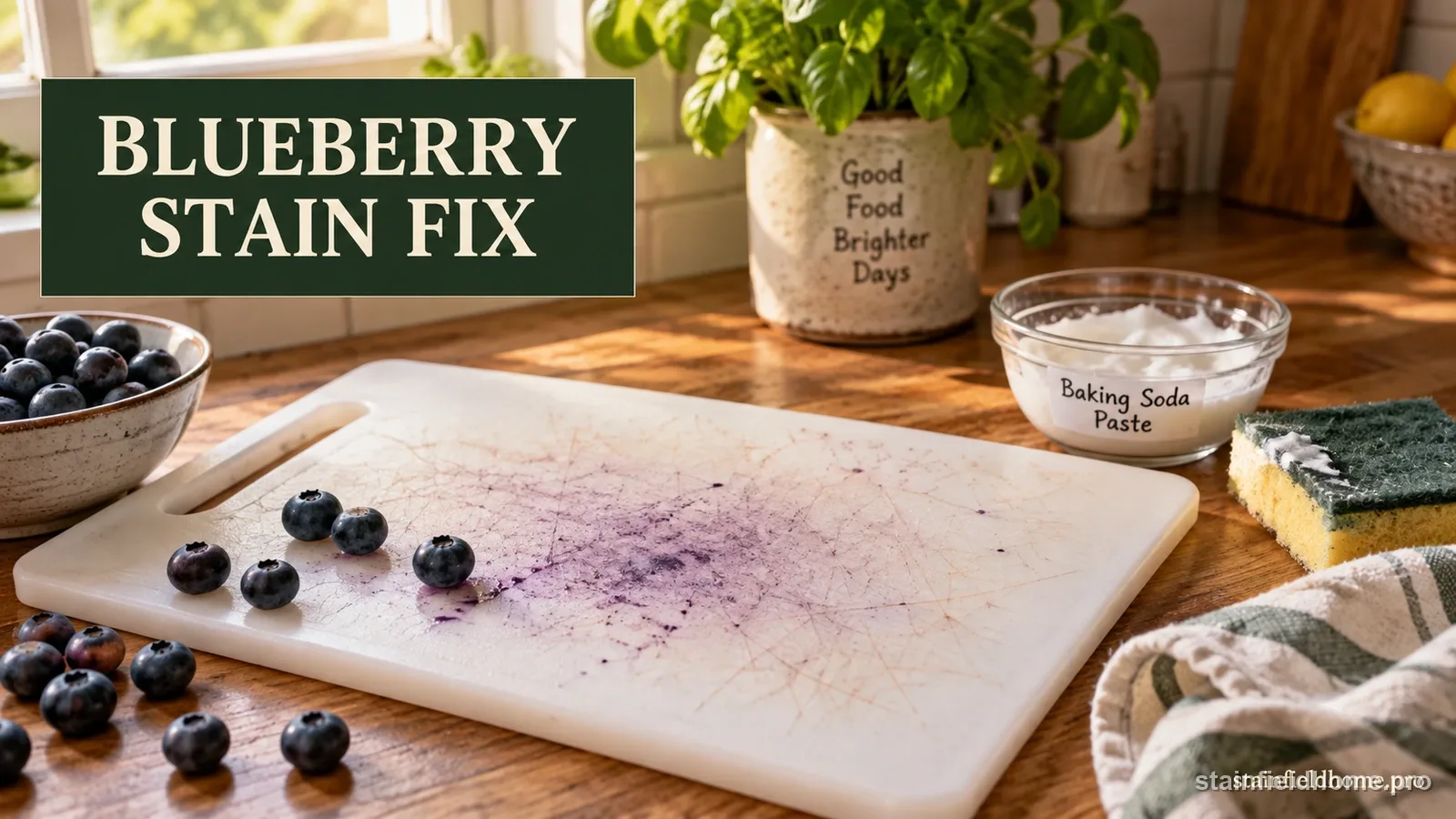
Blueberry on Plastic cutting board
Lift purple blueberry stains from a plastic cutting board using sun bleaching, baking soda, or diluted bleach, and prevent staining next time.
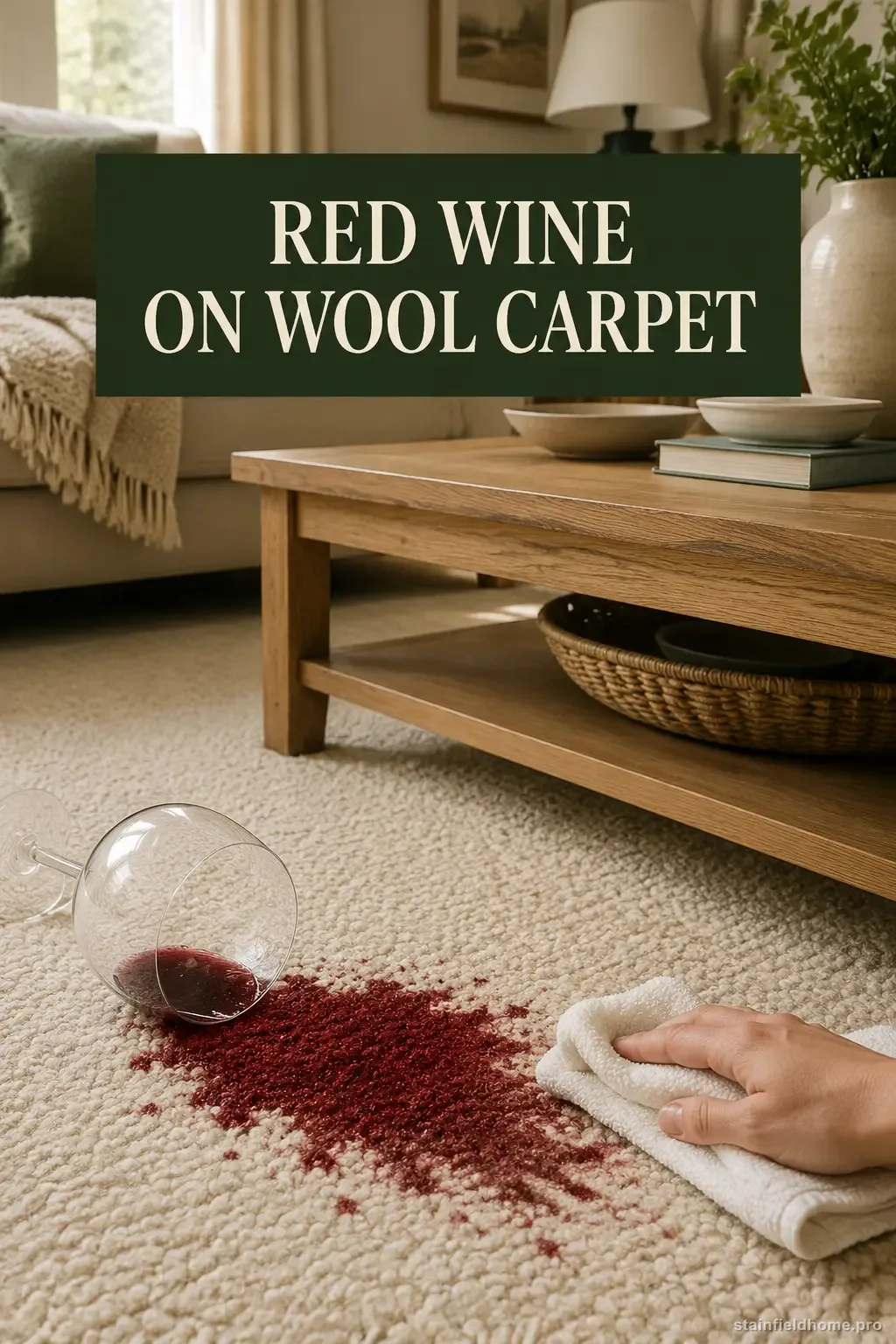
Red wine on Wool carpet
Blot a fresh red-wine spill from wool carpet safely, treat the remaining color, and know when a set stain needs a wool-care professional.
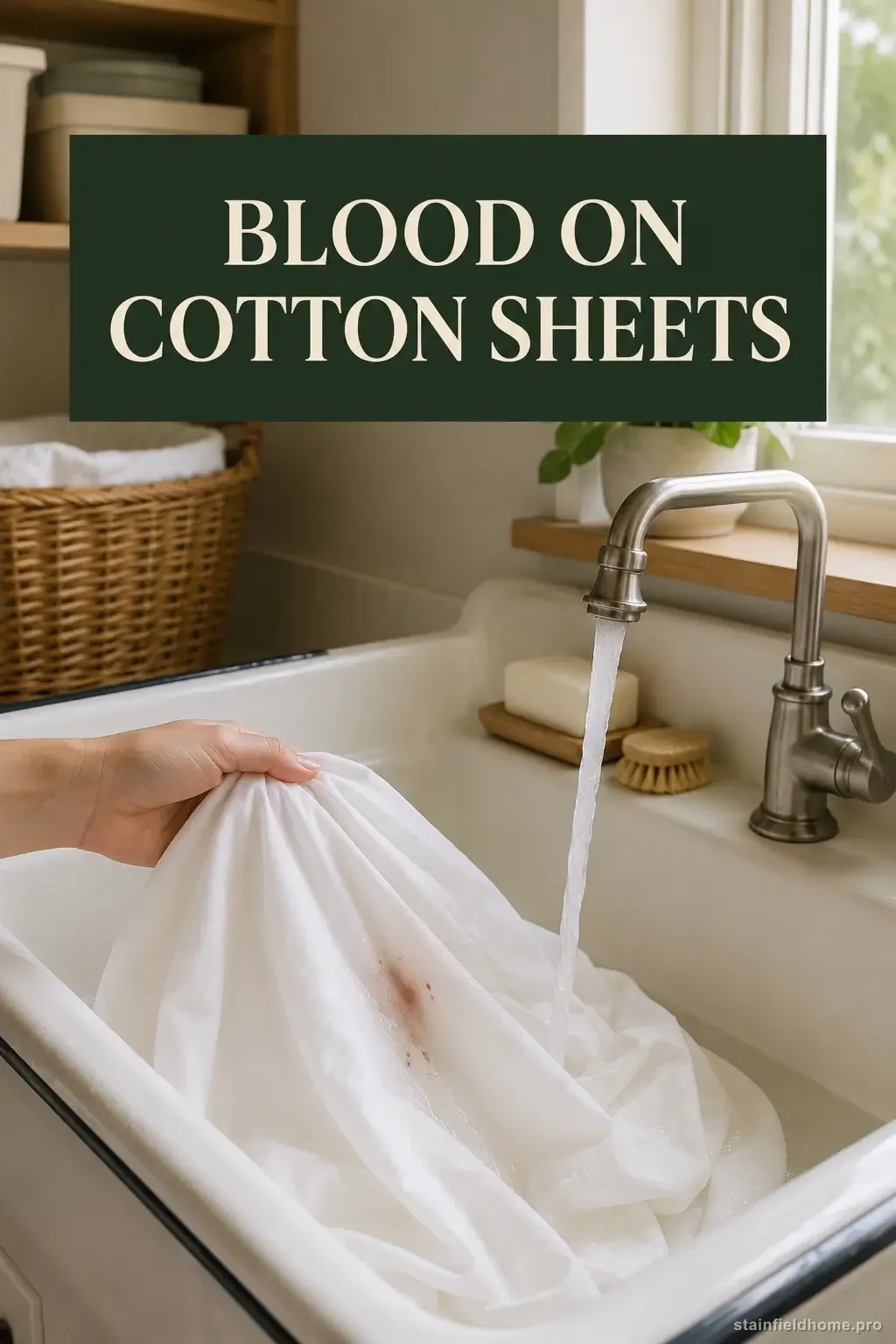
Blood on Cotton sheets
Use cold water, detergent, and a care-label-safe soak to lift fresh or dried blood from washable cotton sheets before heat sets the mark.
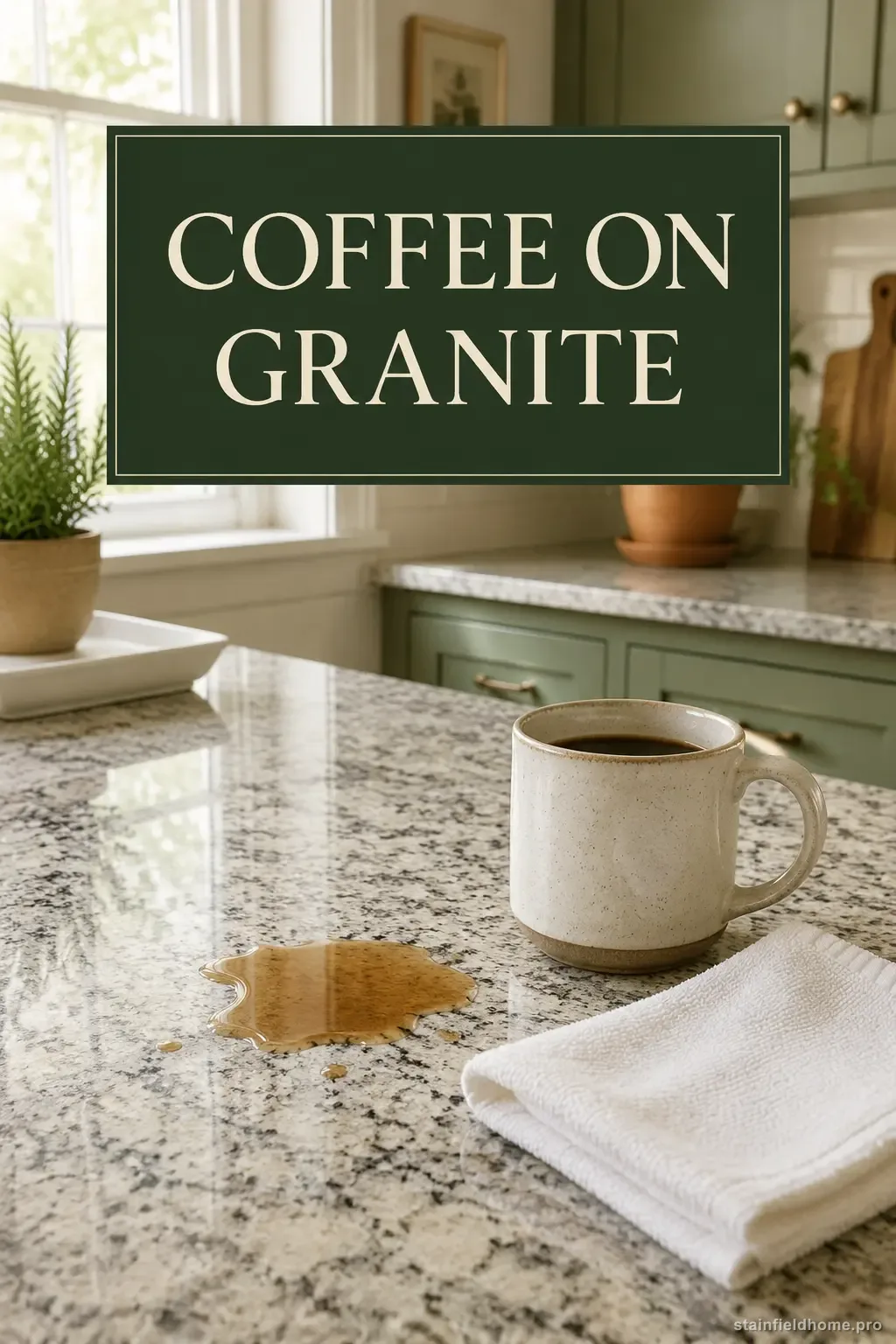
Coffee on Granite countertop
Clean fresh coffee from granite, tell a surface spill from a penetrated stain, and avoid acidic cleaners that can harm nearby stone or sealer.
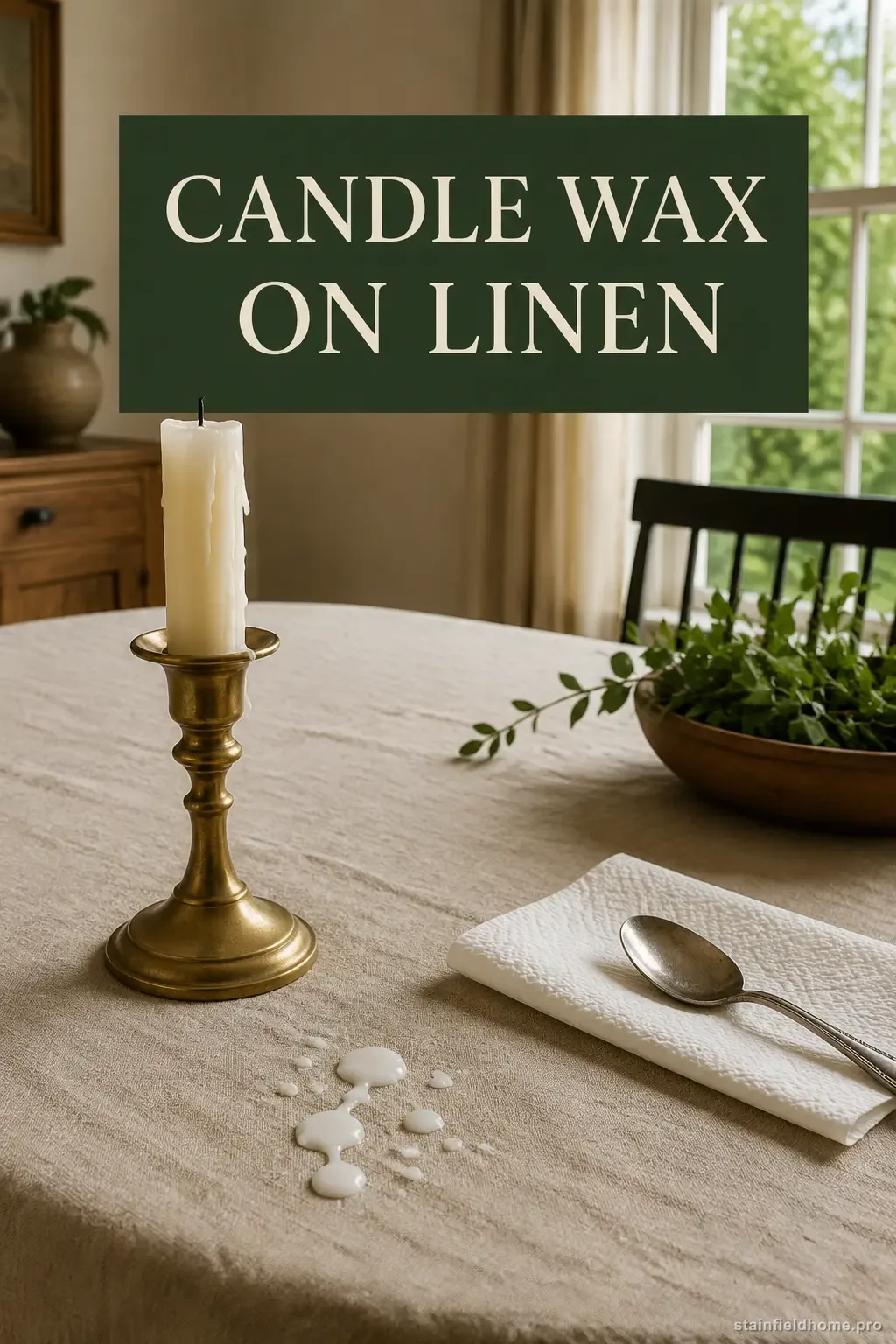
Candle wax on Linen tablecloth
Harden and lift candle wax from washable linen, transfer the remaining wax with controlled warmth, then treat any oily or colored residue.
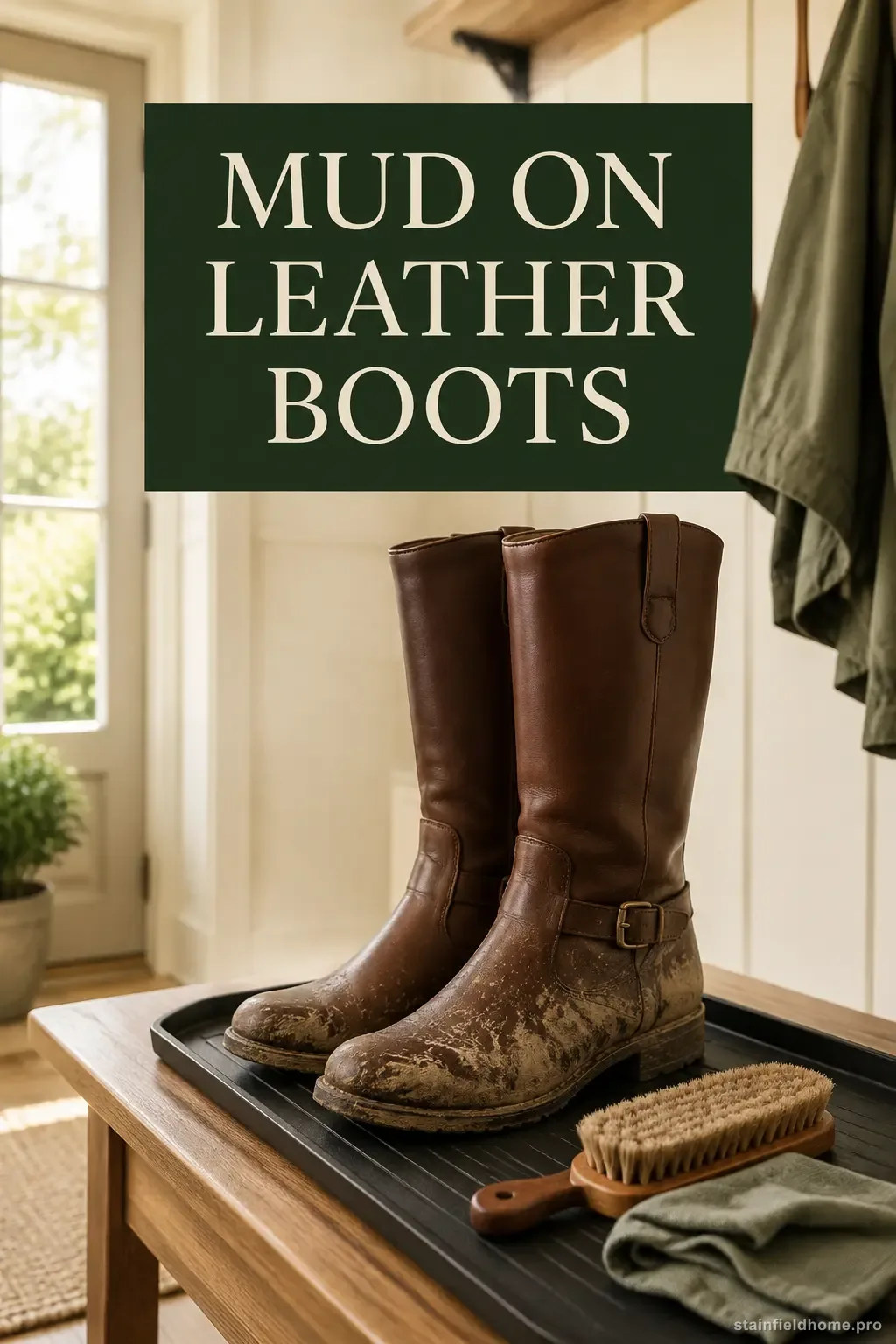
Dried mud on Smooth leather boots
Brush dried mud from smooth-finished leather boots, clean the remaining film without soaking the leather, then dry and condition correctly.
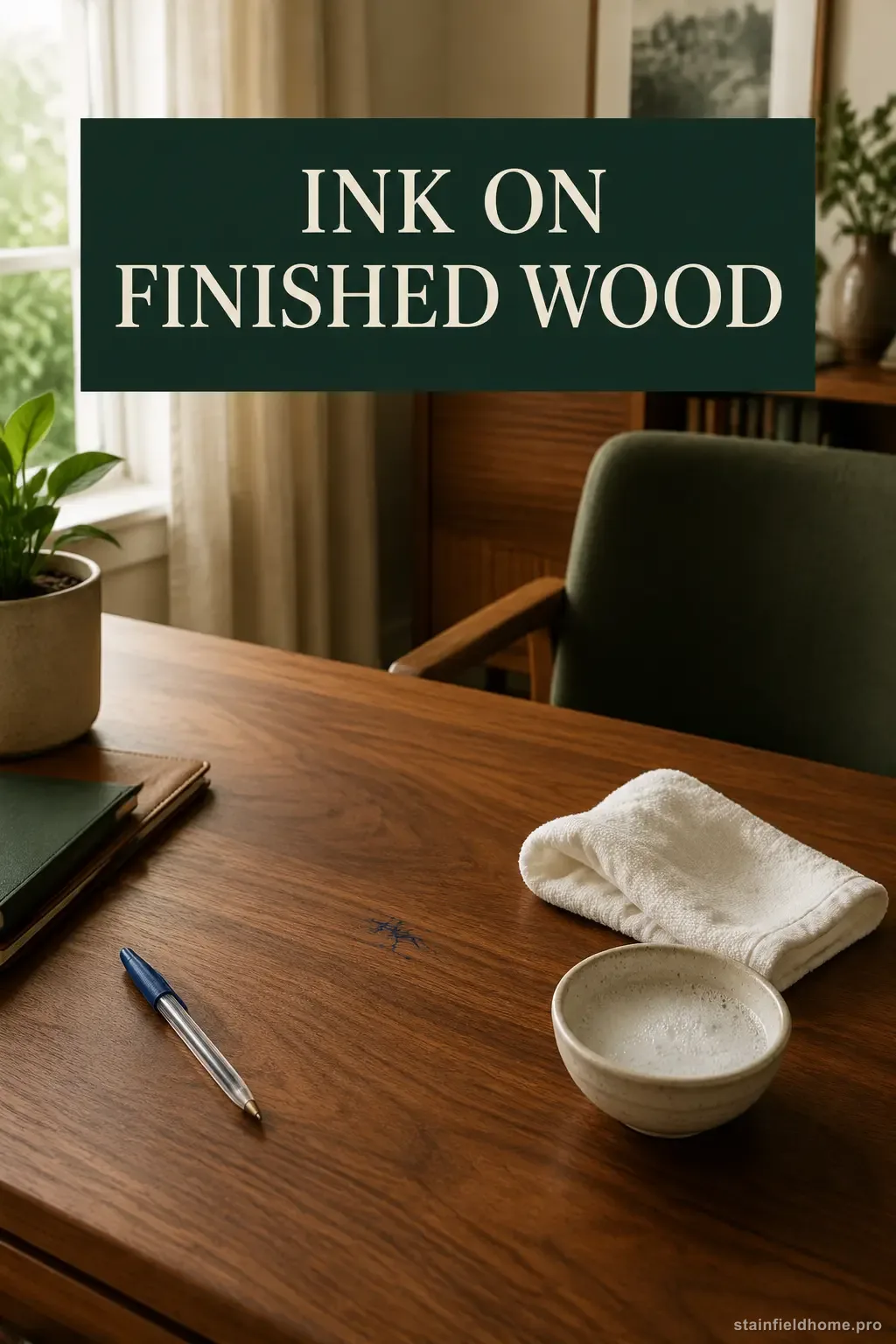
Ballpoint ink on Finished wood
Lift fresh or set ballpoint ink from sealed wood with a finish-first test, controlled soap foam, and a clear stopping point before the coating is damaged.
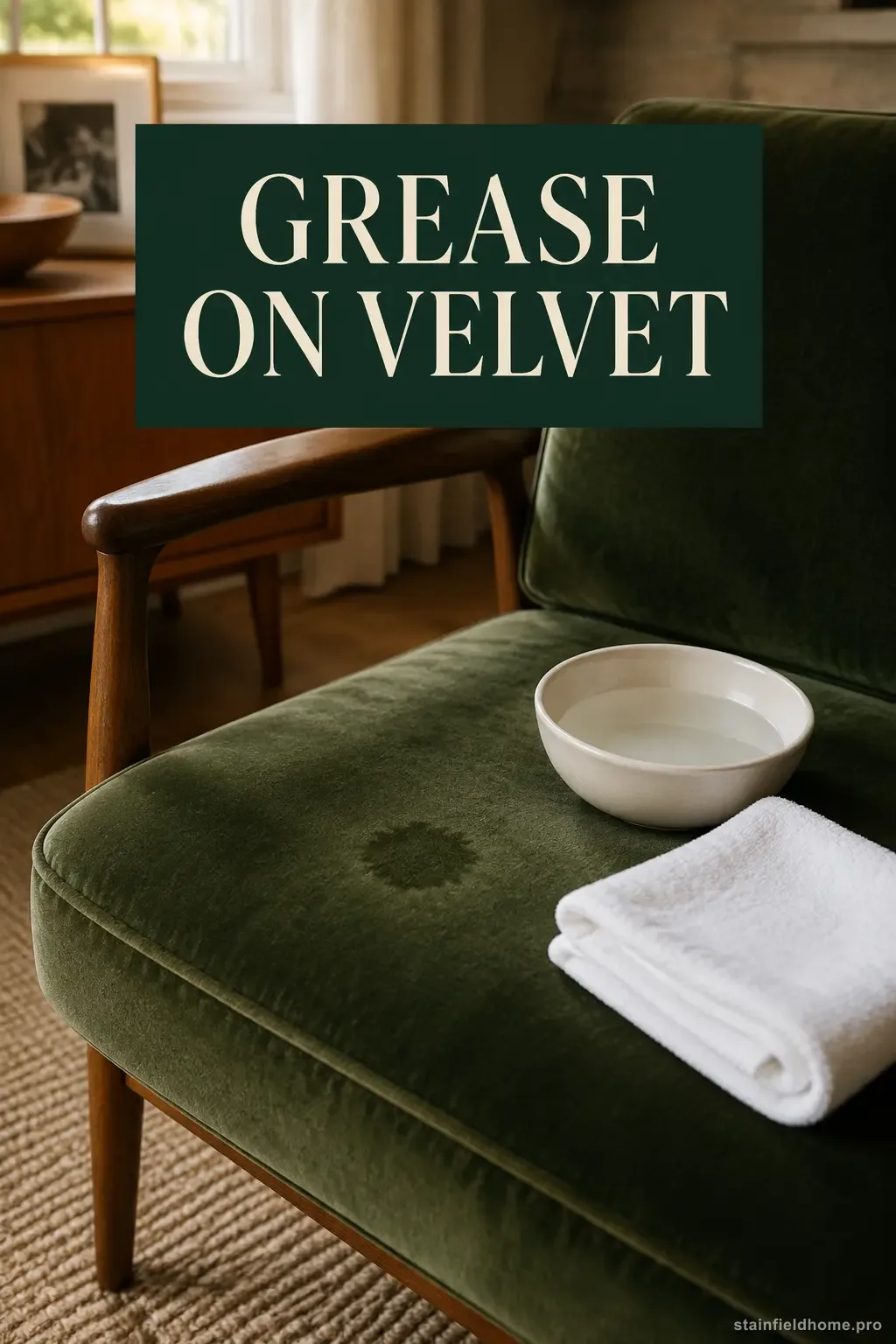
Cooking grease on Velvet upholstery
Lift cooking grease from velvet upholstery without crushing the nap, overwetting the cushion, or using a cleaner that conflicts with the furniture care code.
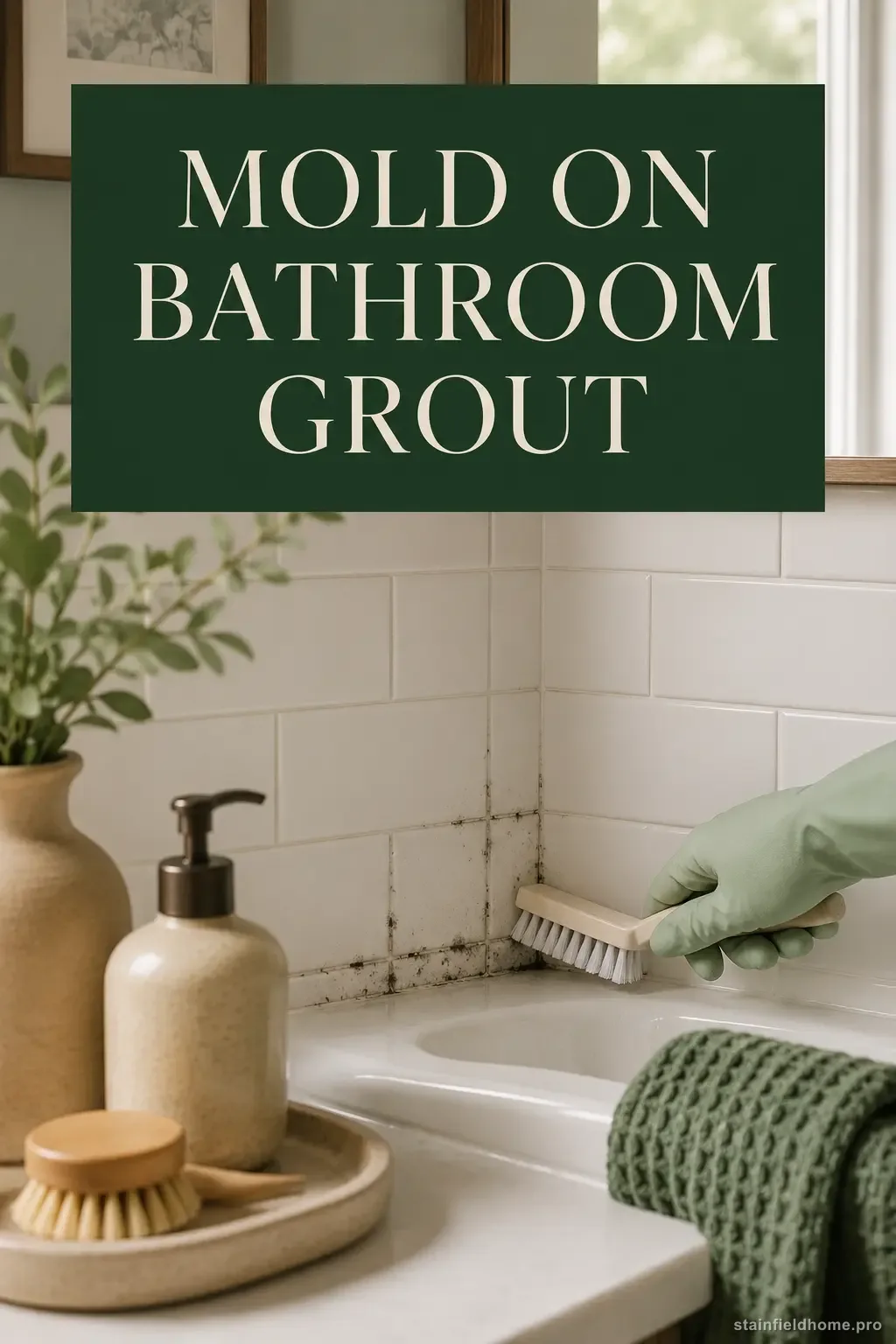
Mold on Bathroom tile grout
Clean a small mold patch from glazed bathroom tile and intact cement grout, dry the assembly completely, and recognize leaks or damaged materials that need professional help.
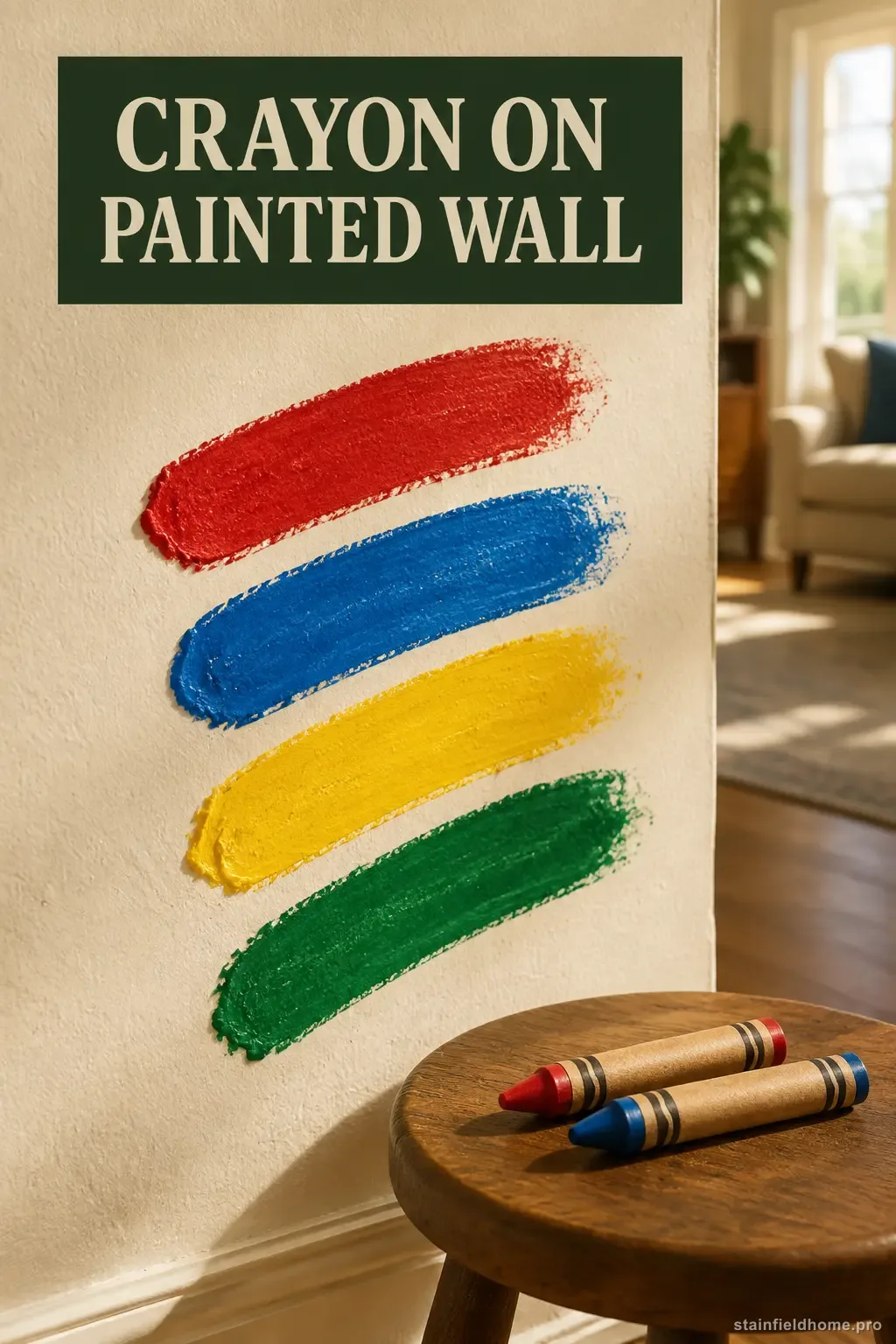
Crayon on Painted wall
Lift waxy crayon from a painted wall with a finish test, mild soap, and controlled pressure—without polishing a shiny patch into flat paint.
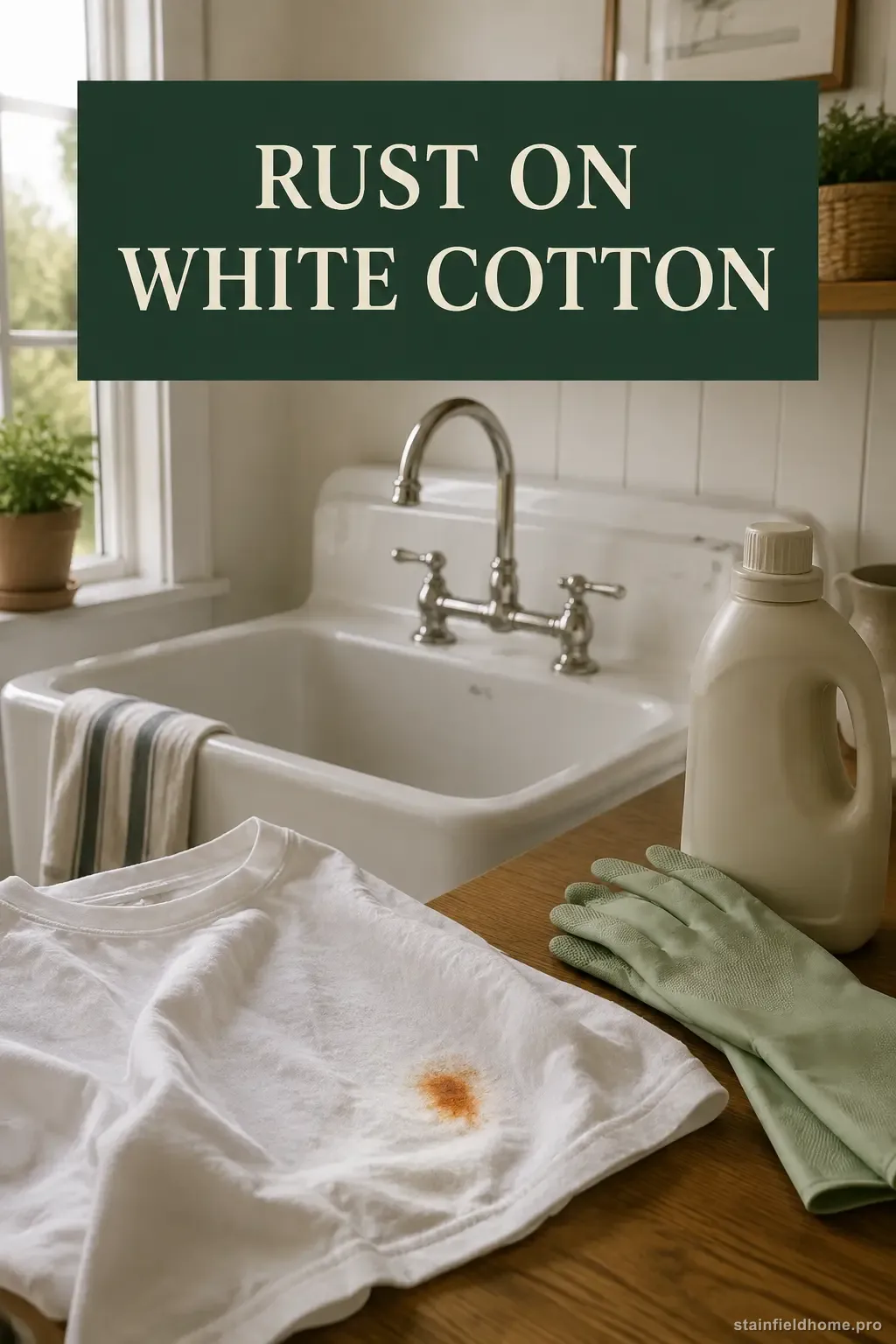
Iron rust on White cotton fabric
Remove fresh or set iron-rust marks from washable white cotton with a fabric-safe rust remover—and avoid chlorine bleach, which can intensify rust discoloration.
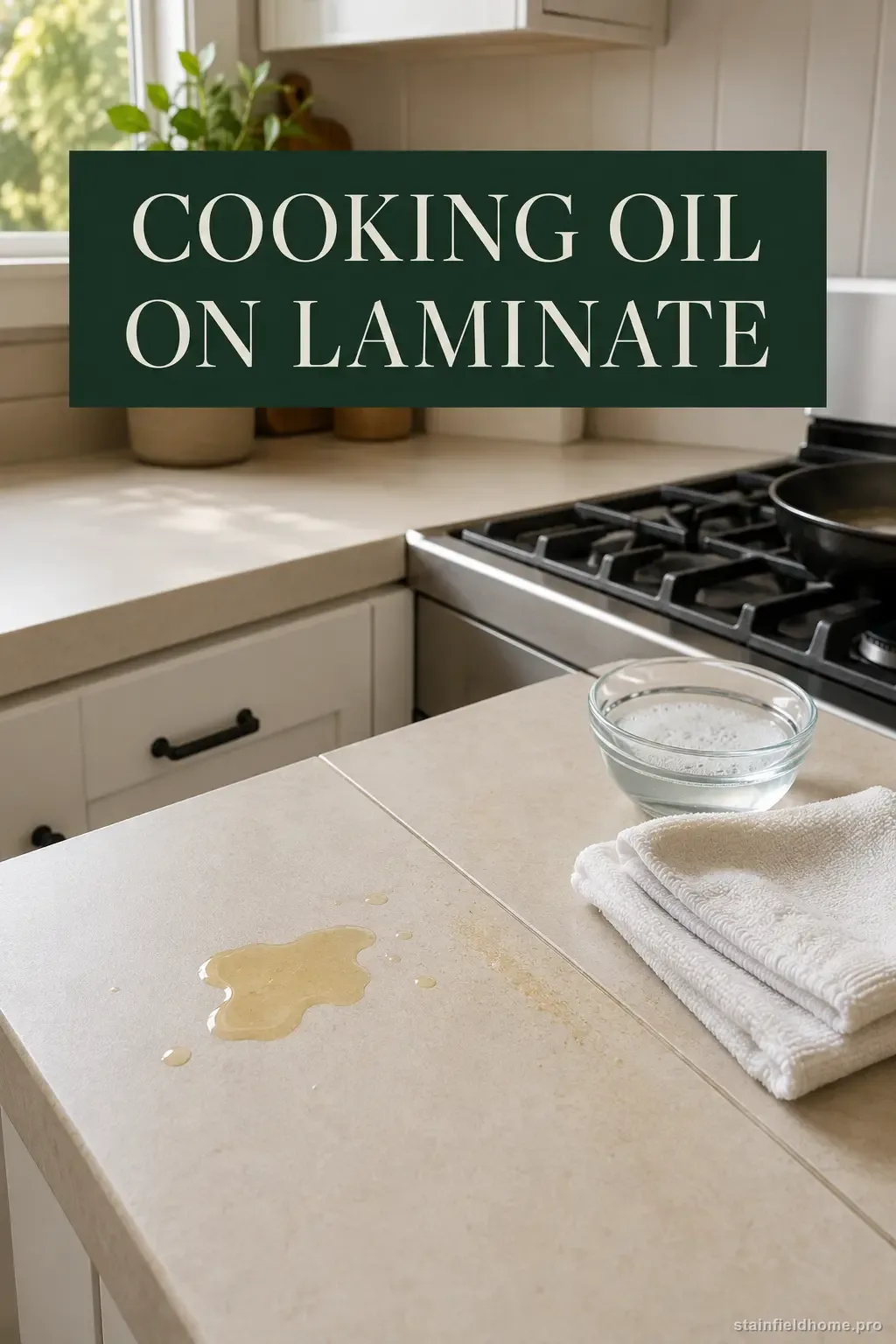
Cooking oil on Laminate countertop
Remove a fresh spill or sticky cooking-oil film from laminate without flooding seams, scratching the texture, or changing the countertop sheen.
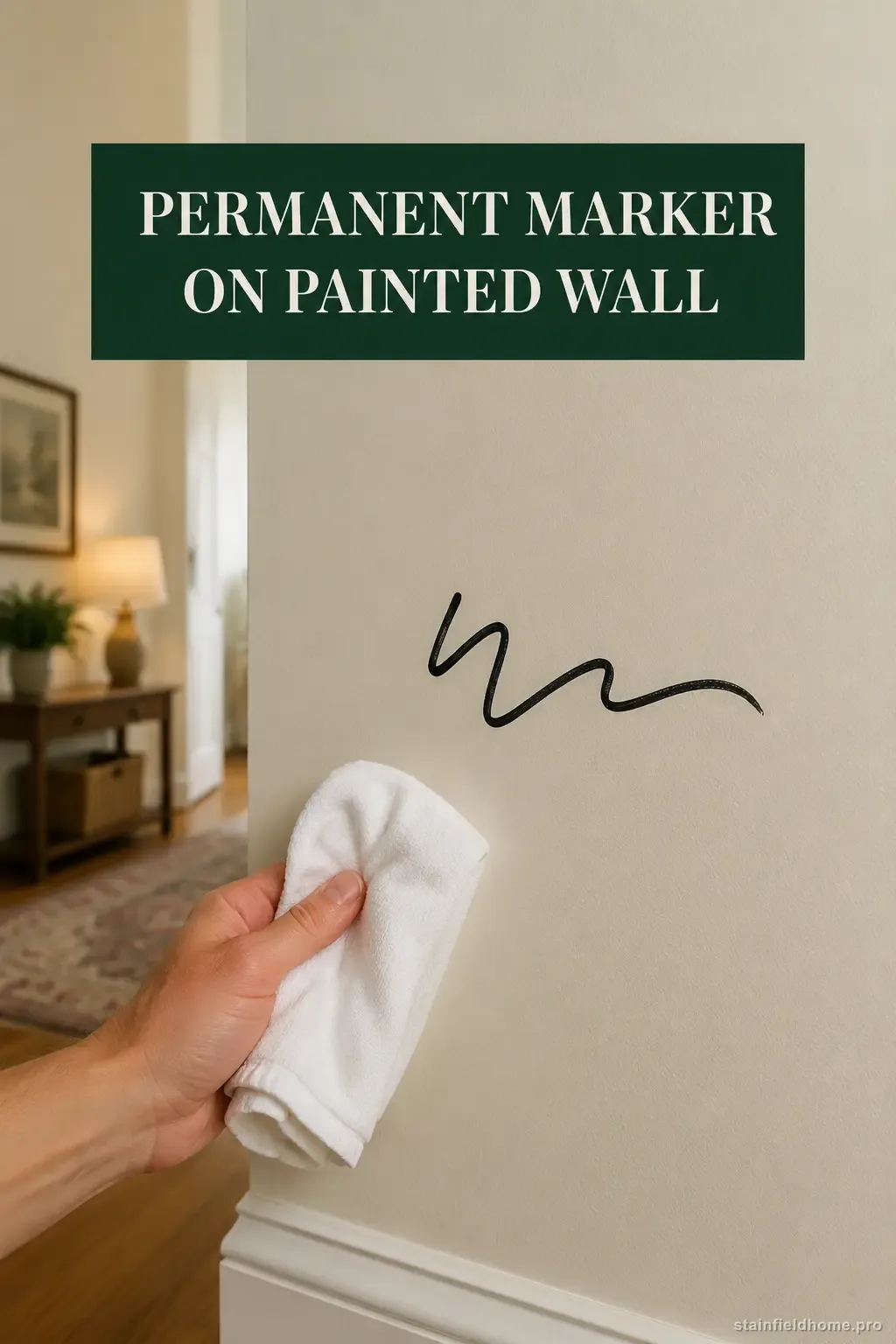
Permanent marker on Painted wall
Lift fresh or set permanent marker from cured wall paint with controlled dabbing, a finish test, and a planned switch to stain-blocking primer when cleaning would damage the coating.
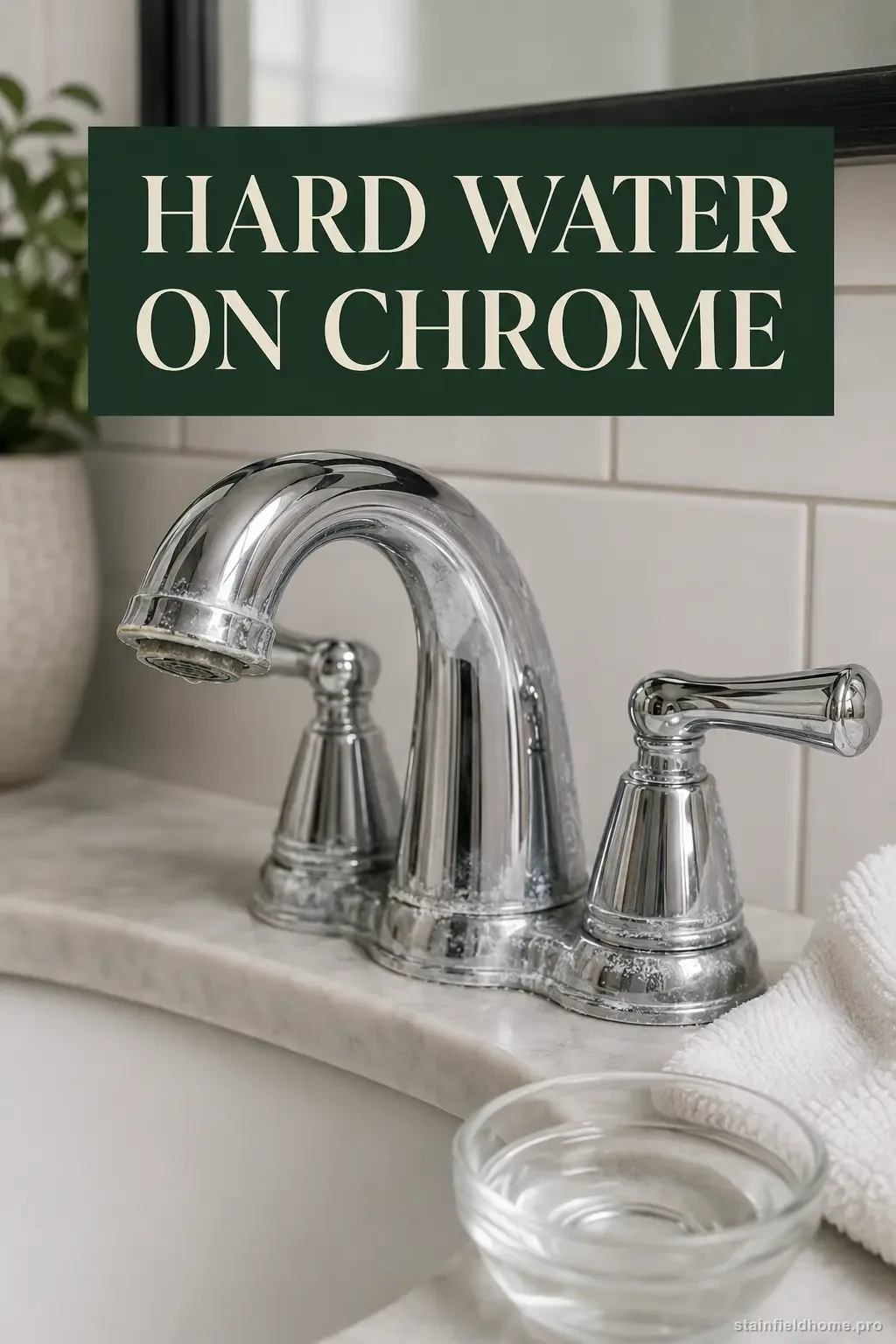
Hard-water deposits on Chrome bathroom faucet
Remove fresh water spots or set limescale from a chrome bathroom faucet with maker-approved short contact time, a full rinse, and no abrasive polishing.
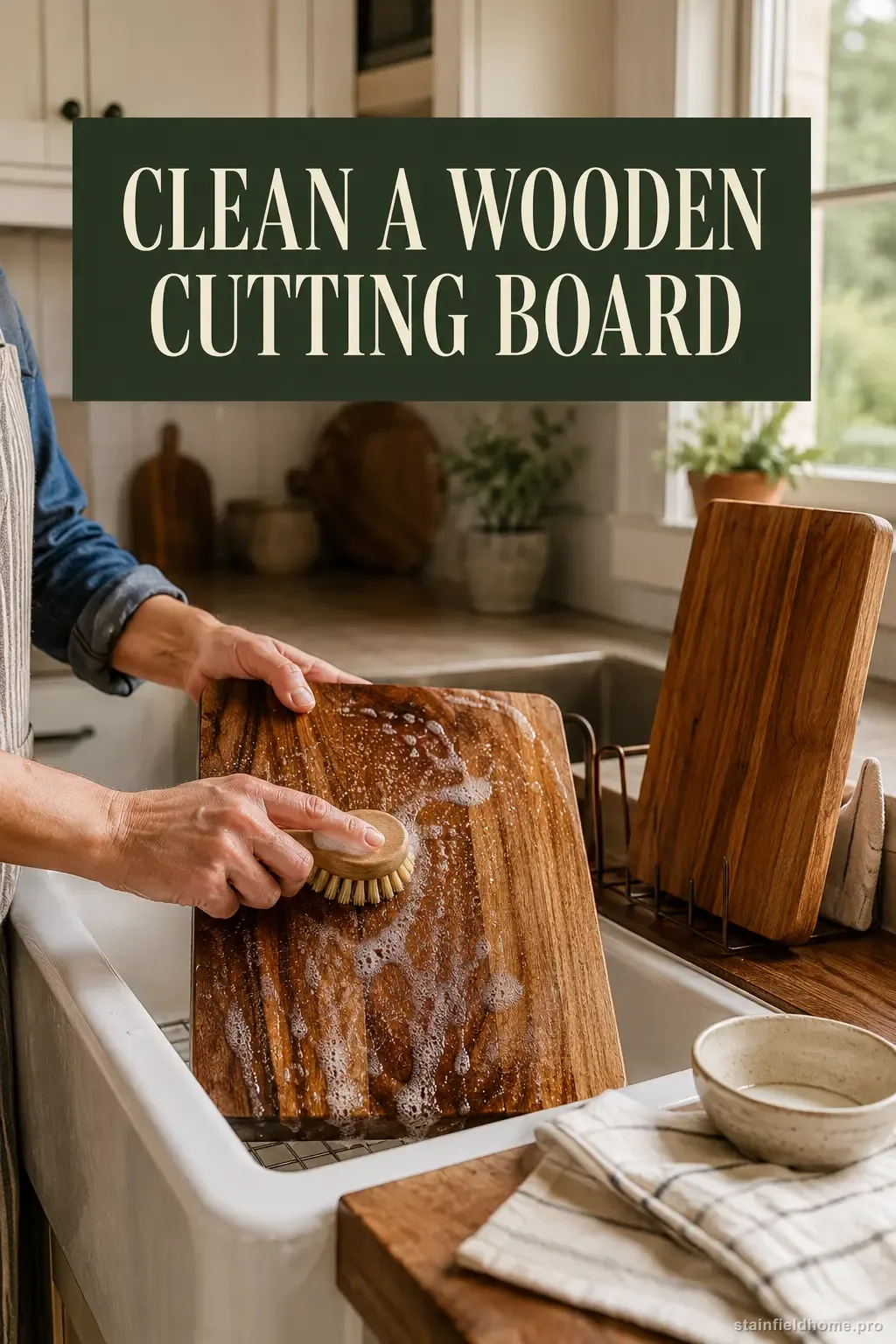
Food residue and odors on Wooden cutting board
Wash, sanitize when needed, dry, and condition a wooden cutting board without soaking it, warping it, or confusing deodorizing with food-safety sanitation.
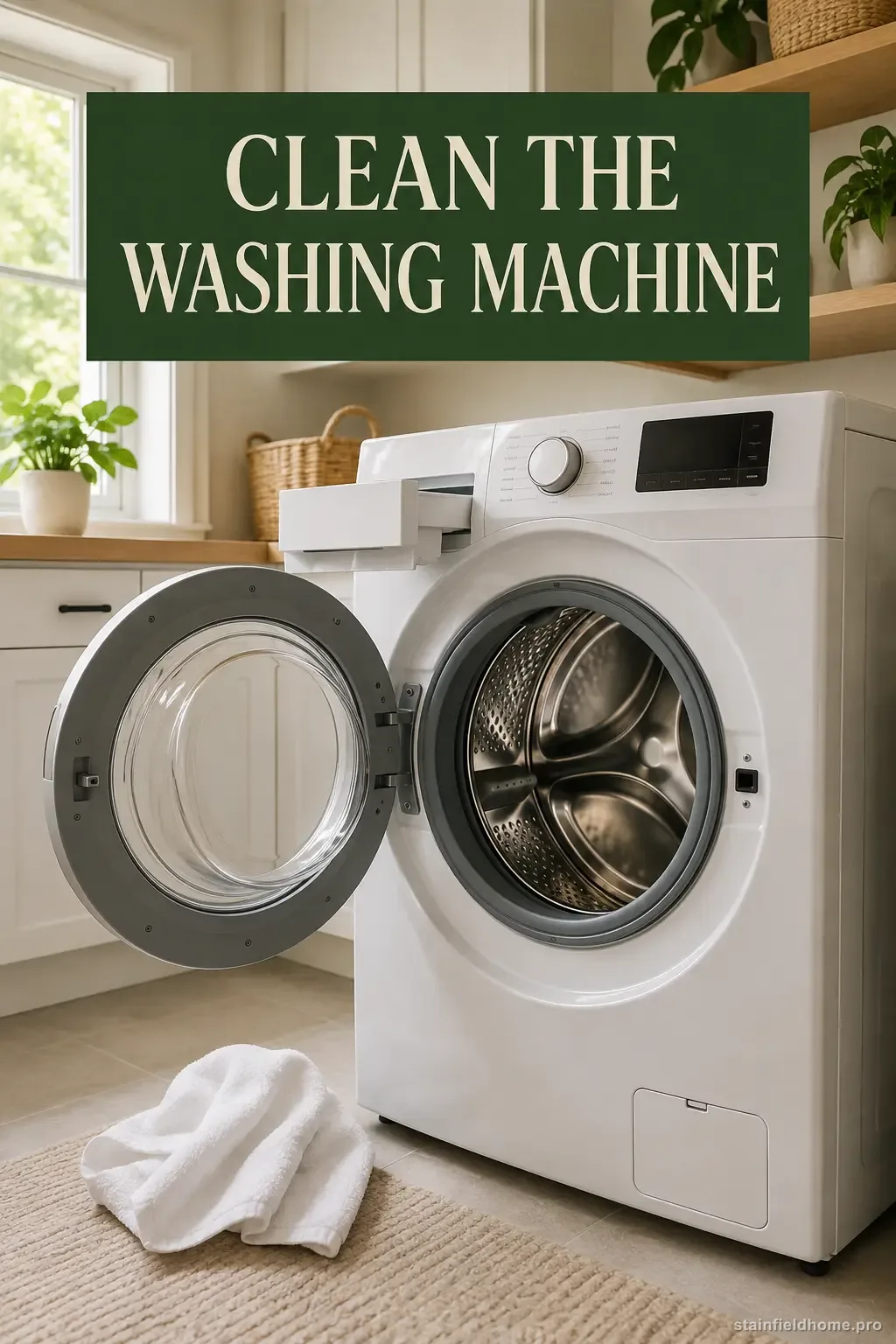
Detergent residue and odor on Washing machine tub
Run a washer’s Self Clean, Tub Clean, or Clean Washer cycle correctly, then clean the gasket, dispenser, and filter without mixing chemicals or guessing at model-specific additives.
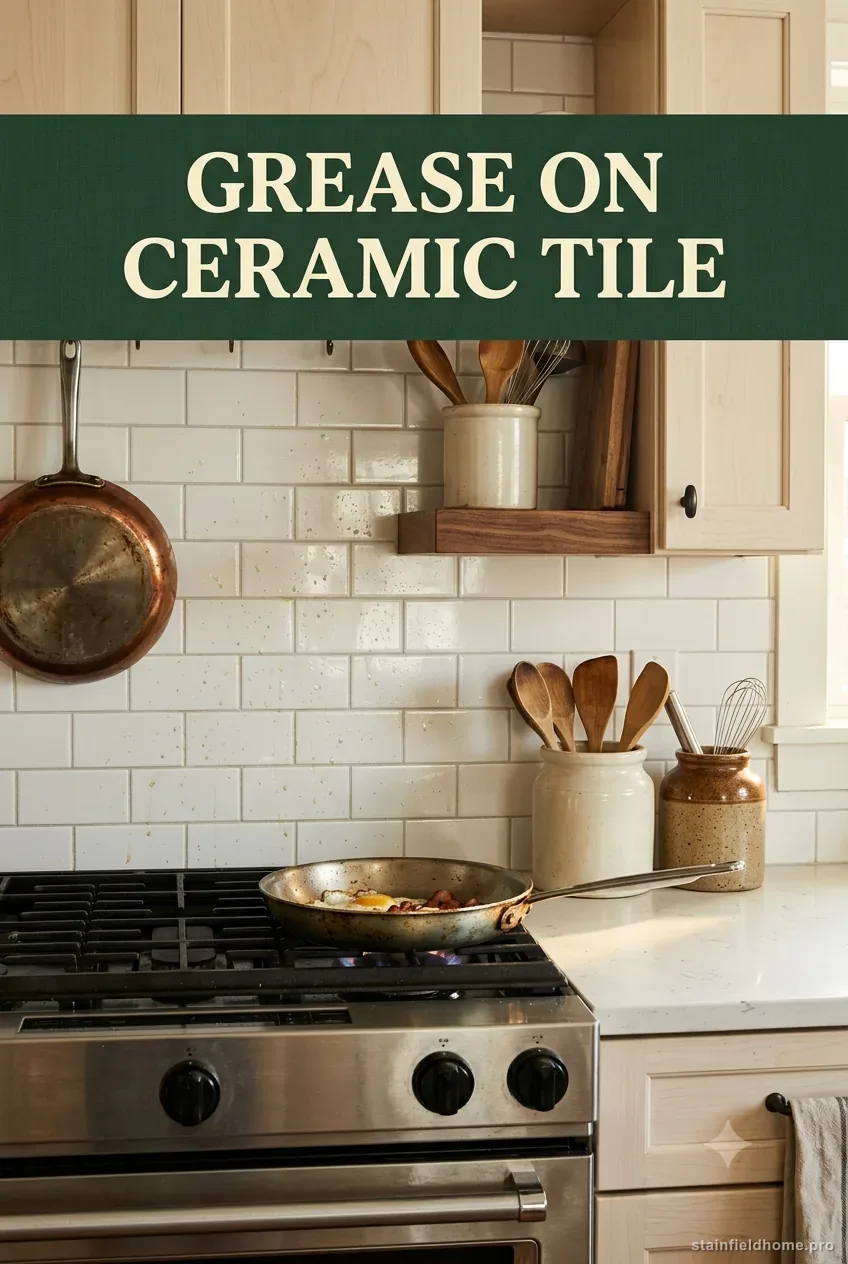
Grease splatter on Ceramic tile backsplash
Cut fresh grease or a sticky cooking film from glazed ceramic tile without scratching the face, spreading oil into grout, or leaving a detergent haze.
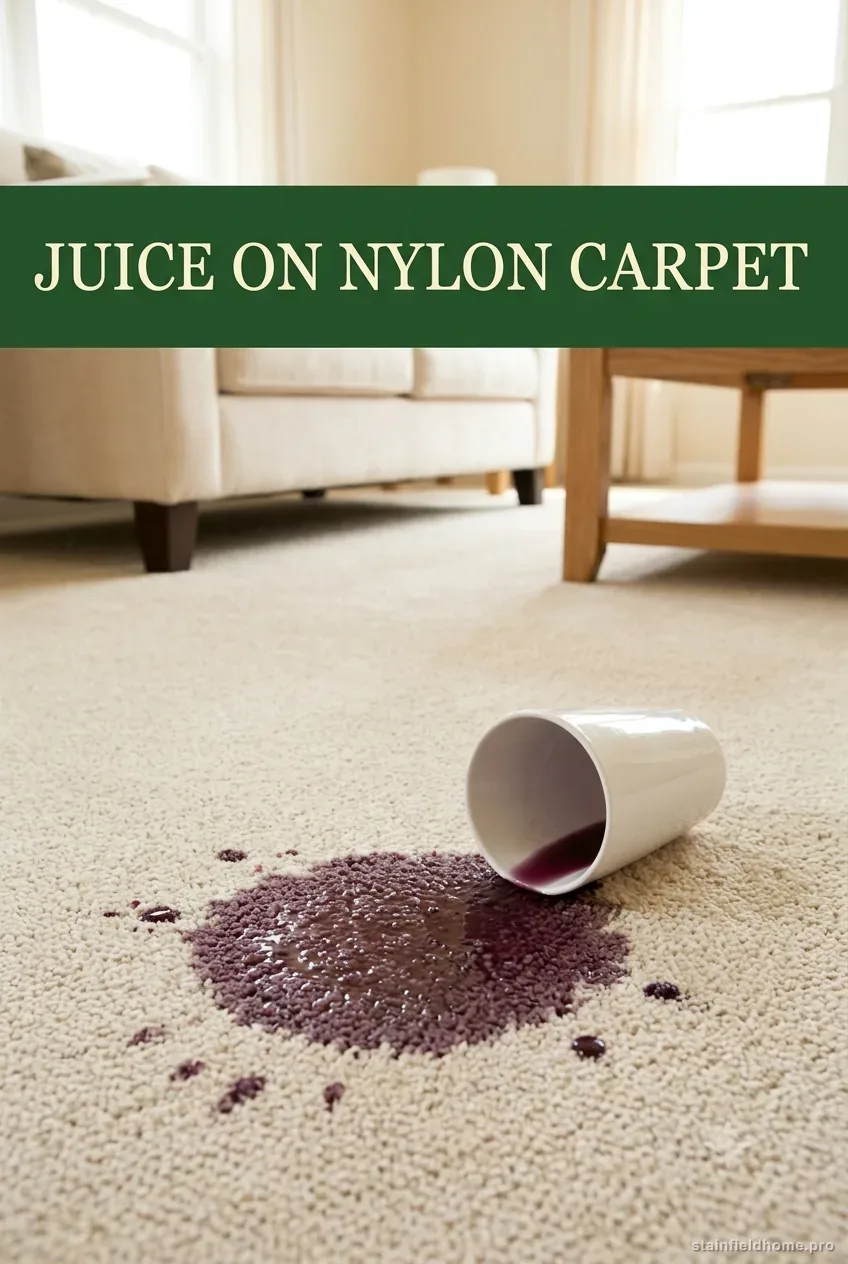
Fruit juice on Nylon carpet
Blot fruit juice from nylon carpet, remove the colored residue without spreading it, and manage a dried stain without over-wetting the backing.
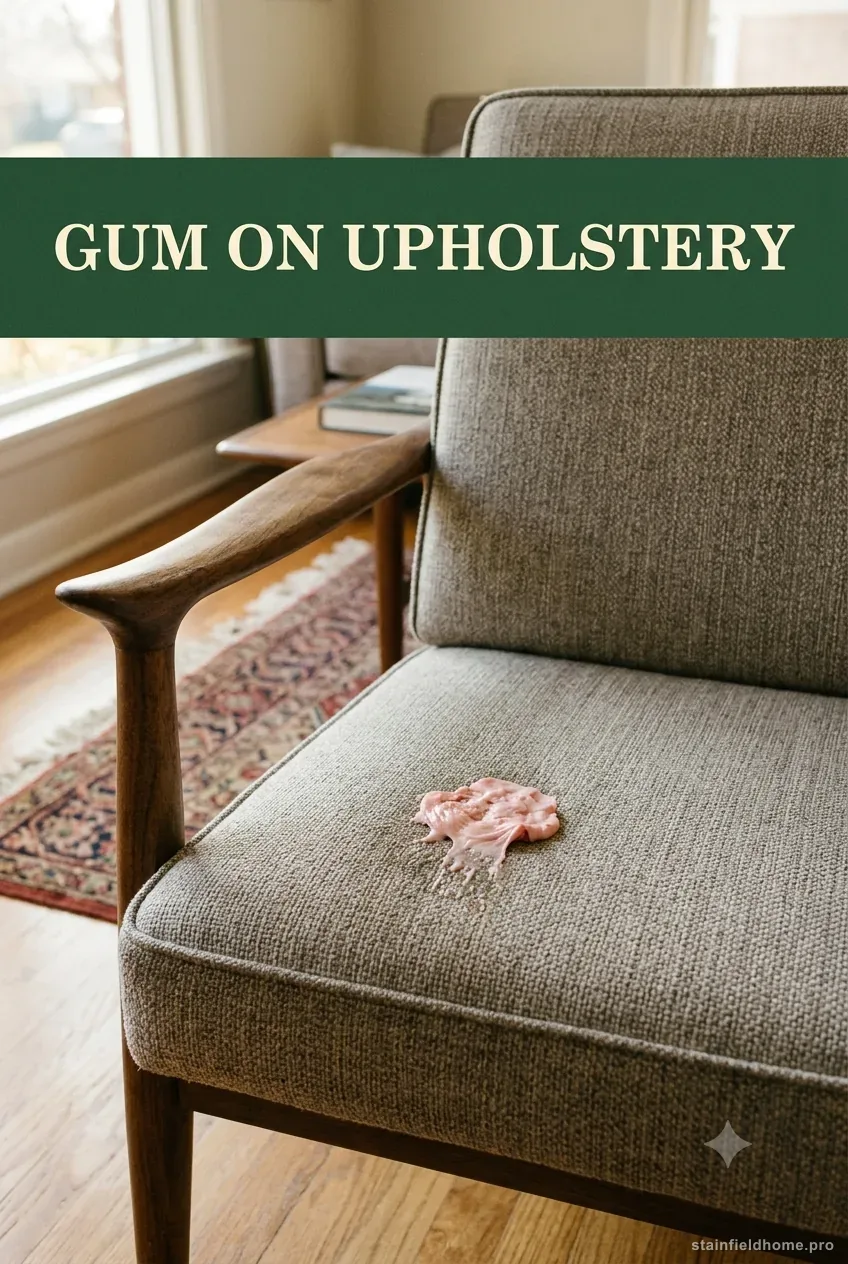
Chewing gum on Upholstery fabric
Harden and lift chewing gum from a sofa or chair without smearing it deeper, then choose residue treatment by the upholstery cleaning code.
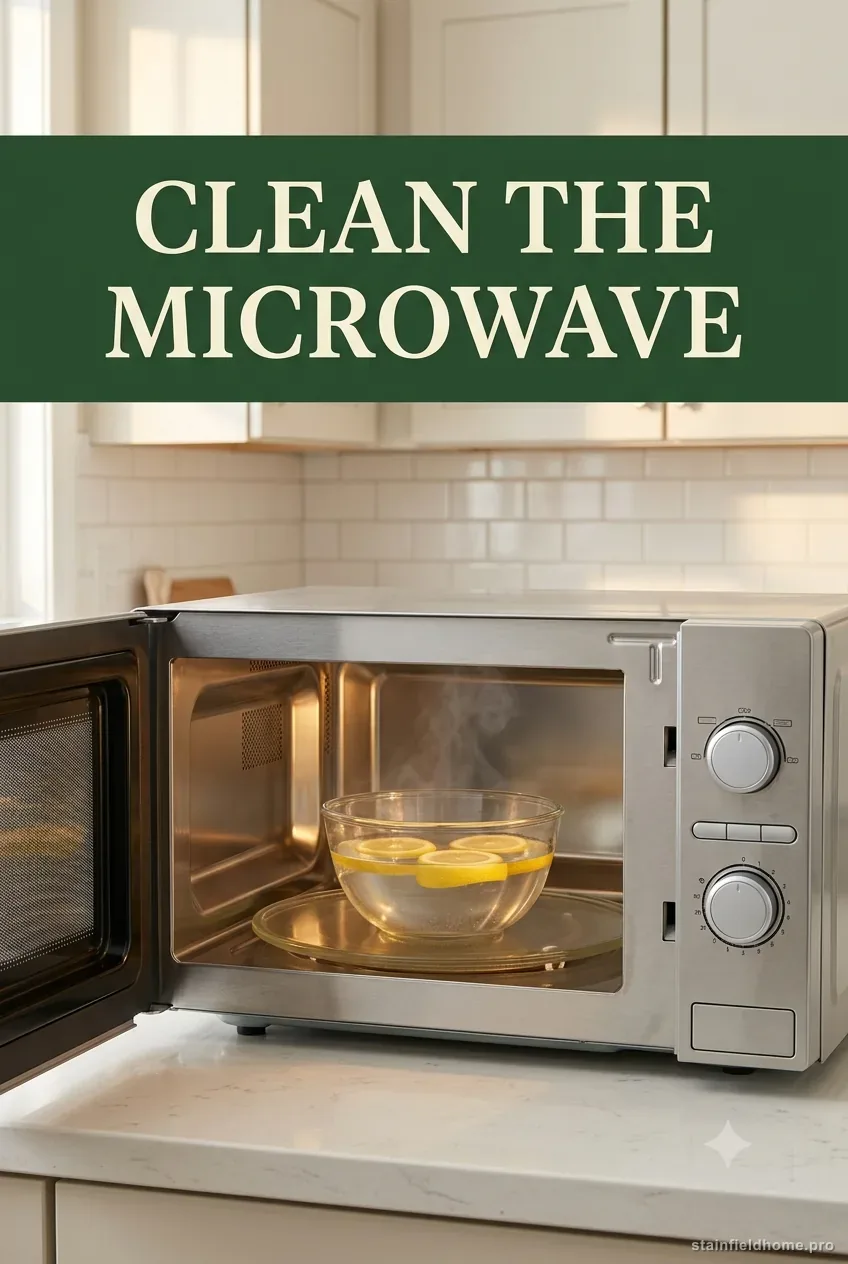
Food splatter & odor on Microwave interior
Loosen food splatter, wash the microwave cavity and turntable, control odors, and know which interior parts should never be removed or soaked.
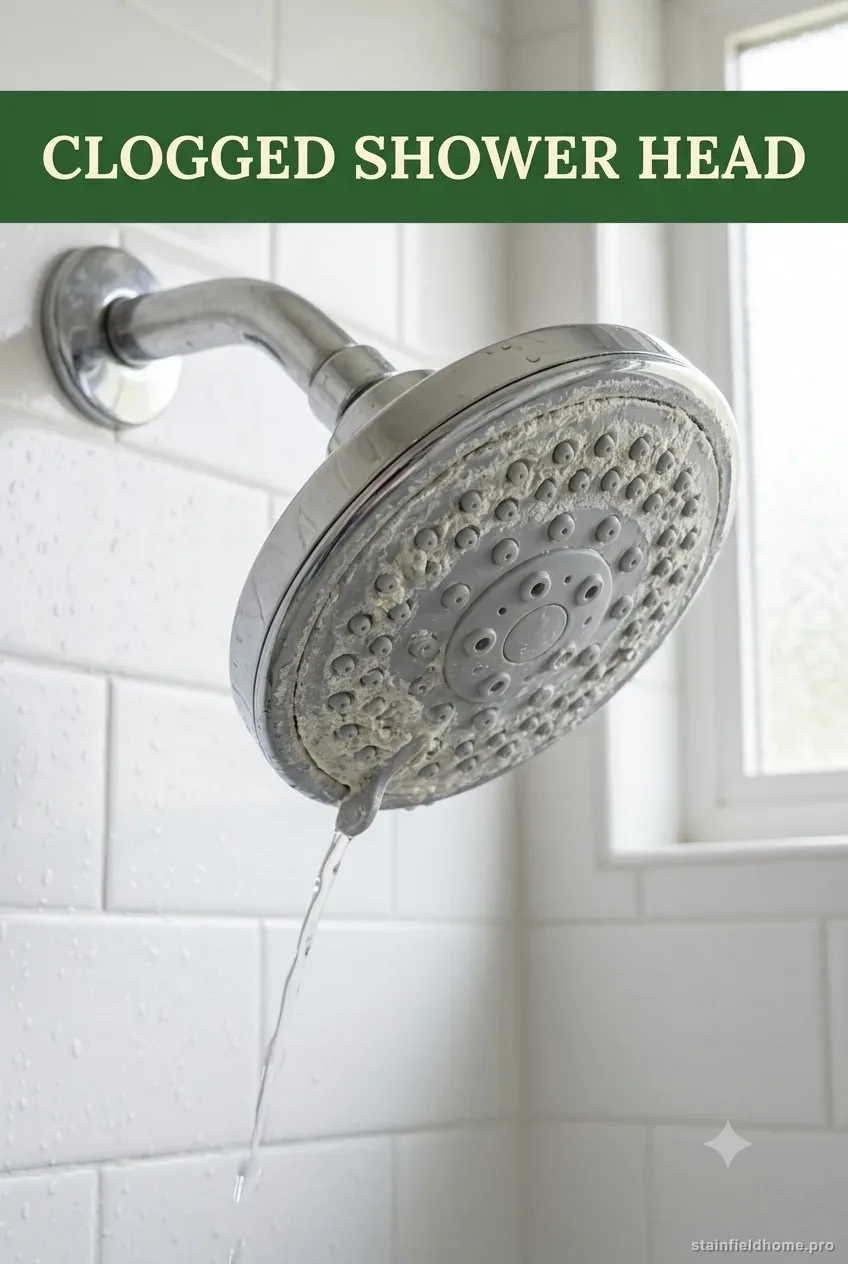
Mineral buildup on Shower head
Restore an uneven shower spray by removing mineral deposits without scratching the finish, damaging rubber nozzles, or confusing a blocked screen with low household water pressure.
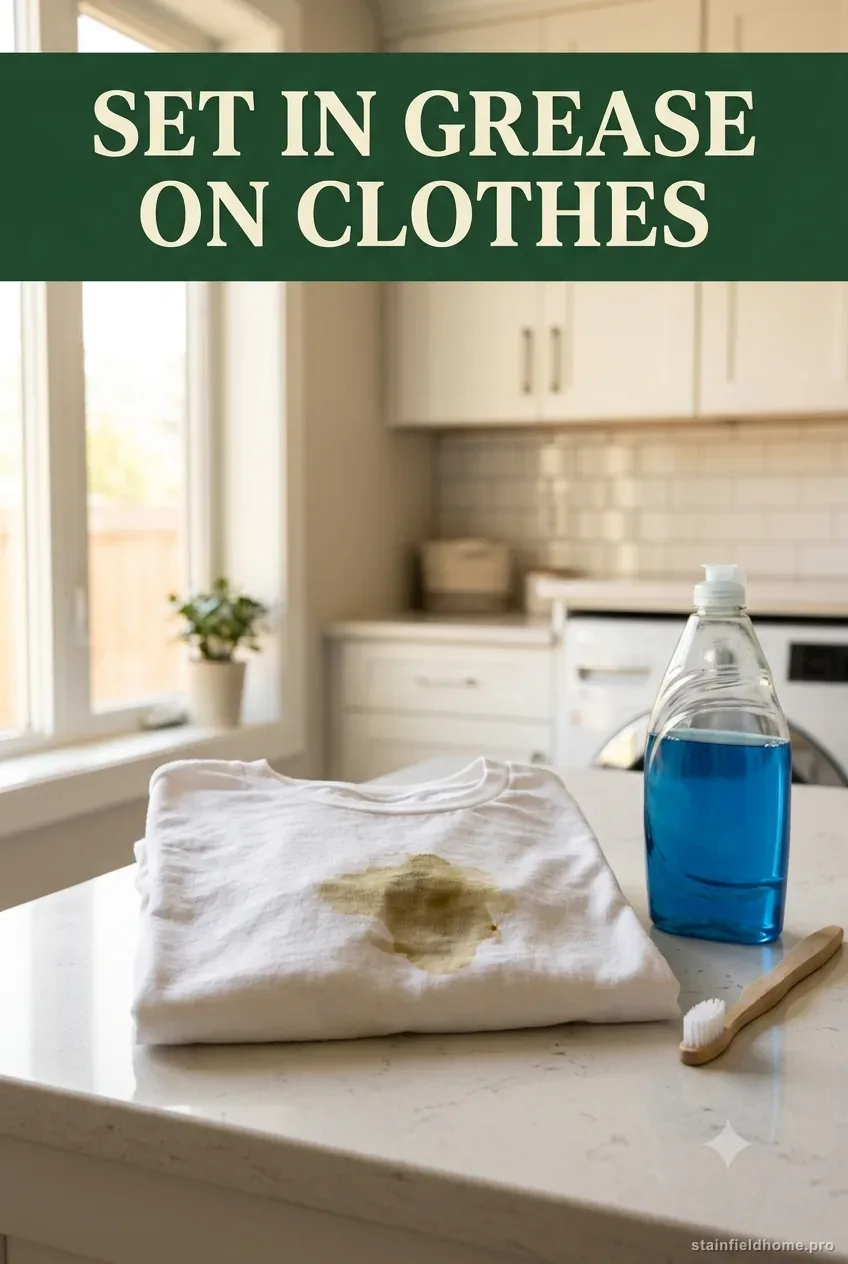
Set-in grease on Washable clothing
Dried-in cooking oil and grease marks need a surfactant built to cut oil, warm water, and a few patient rounds—here is a repeatable way to lift them from washable cotton and poly-blend clothing.
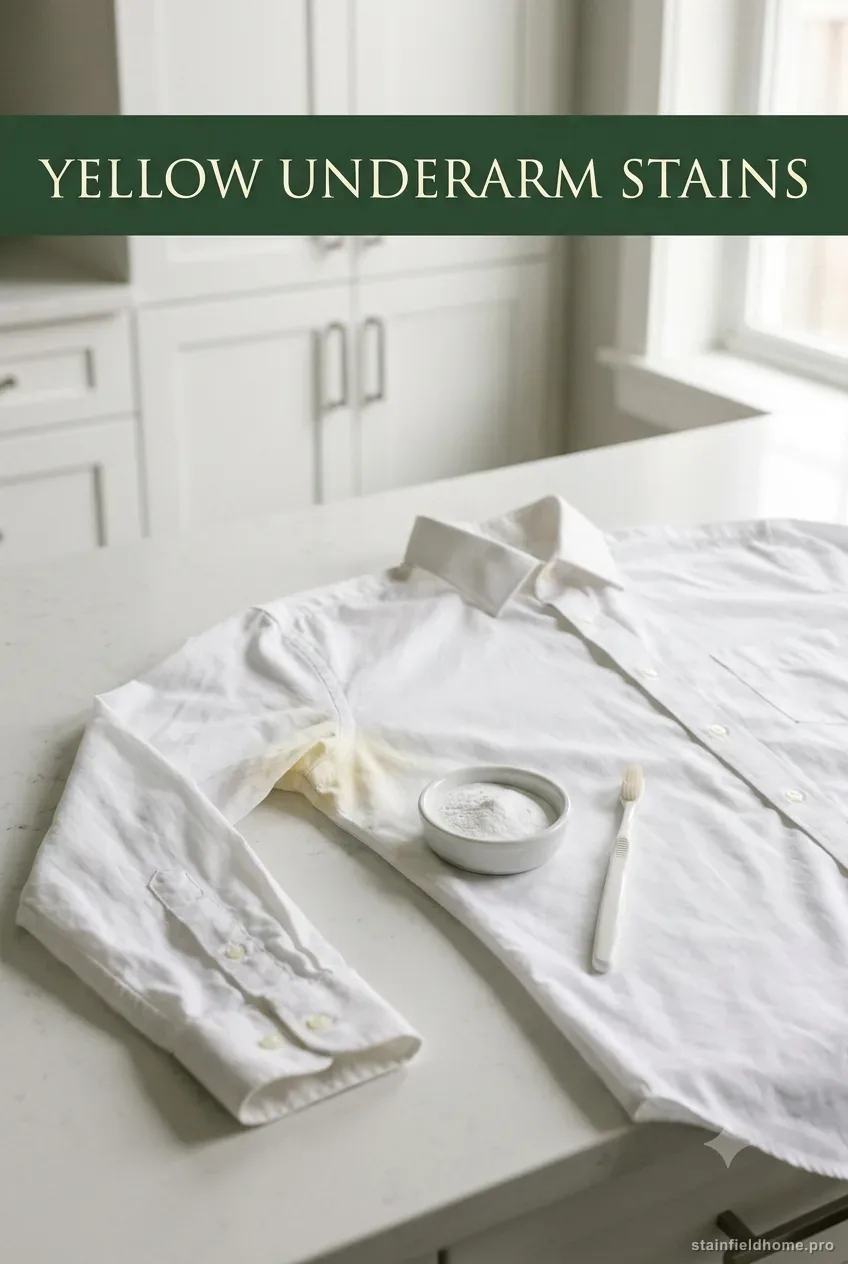
Deodorant and sweat on White cotton shirts
The yellow crust on a white shirt's underarms is antiperspirant aluminum bound to sweat protein and body oil. Enzymes, a mild acid or peroxide, and no dryer heat are what lift it.
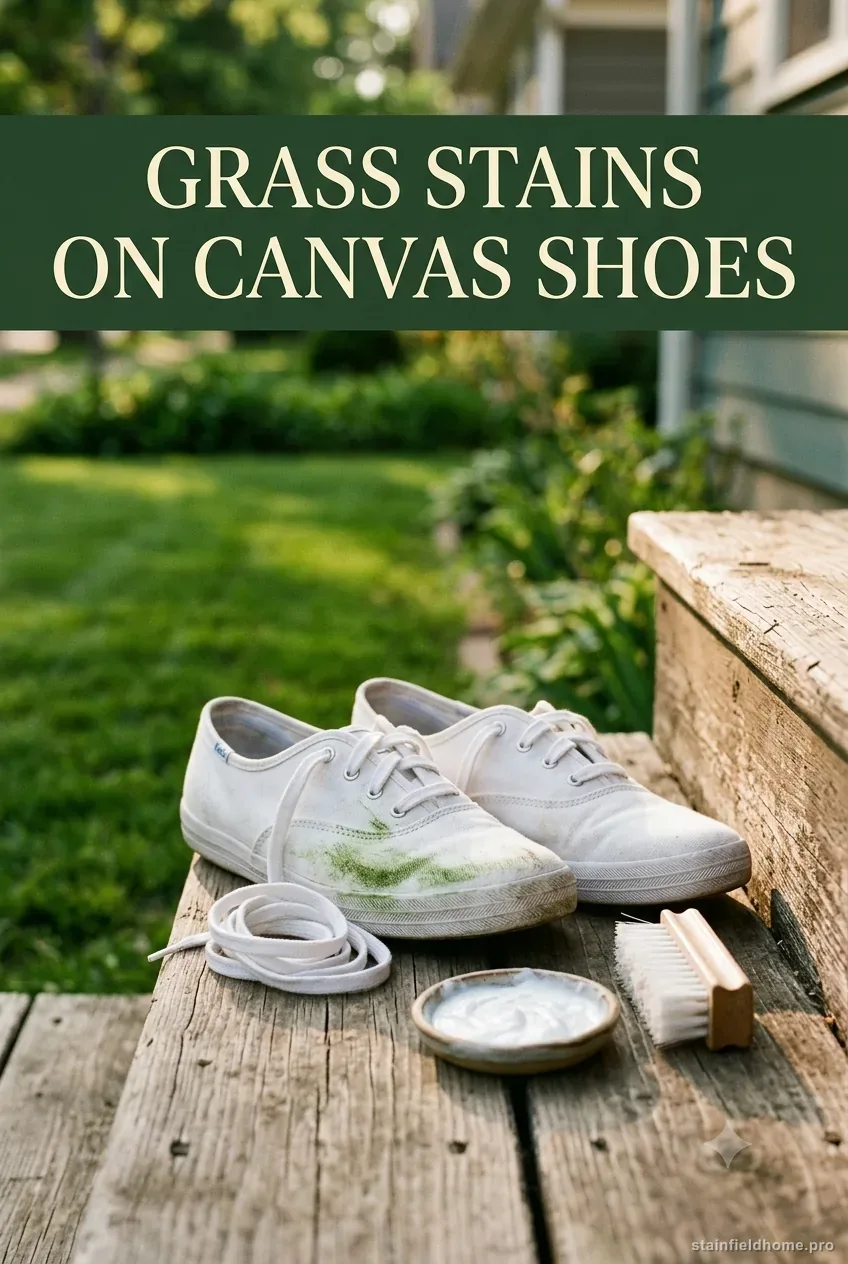
Grass on White canvas sneakers
Grass is a pigment-and-protein stain that sets with heat and alkali. On white canvas sneakers, an enzyme soak plus a peroxide-and-baking-soda paste lifts it without the yellowing bleach and sun cause.
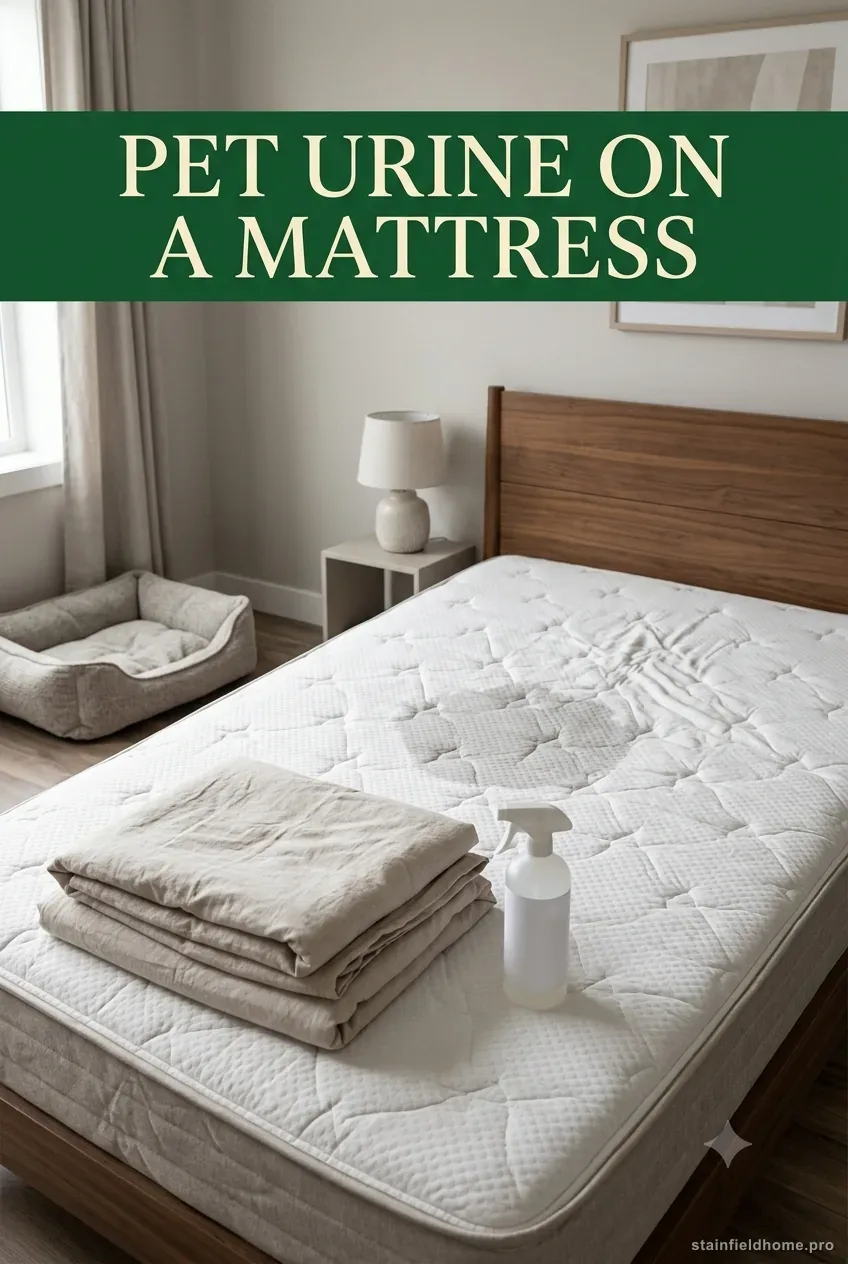
Pet urine on Mattress
Dog and cat urine leaves uric acid crystals ordinary cleaners can't touch and that reactivate with humidity. An enzymatic cleaner, dwell time, and no ammonia are what clear the stain and the smell.
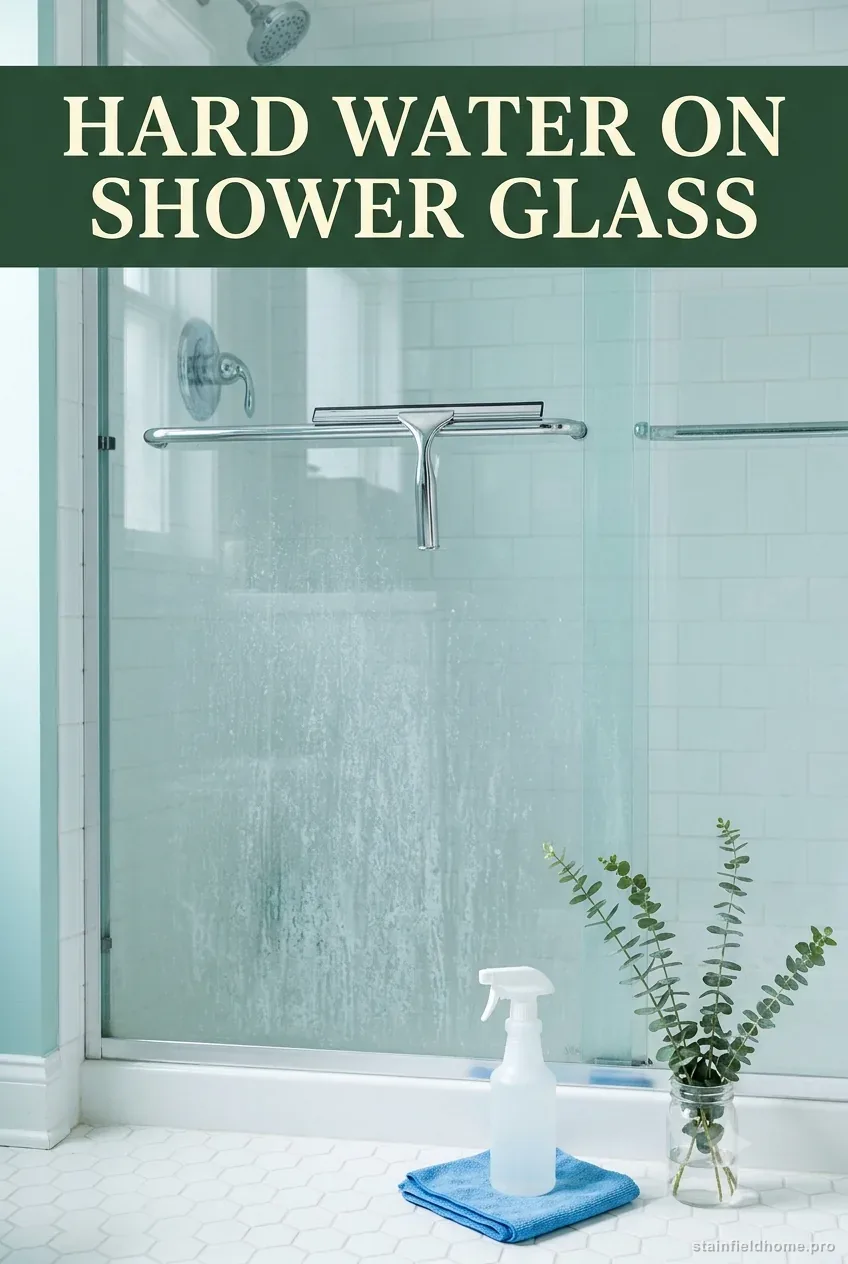
Hard water deposits on Glass shower doors
Cloudy shower glass is evaporated calcium and magnesium, often bound with soap scum. A mild acid and a non-scratch pad clear fresh buildup—but minerals left too long etch the glass for good.
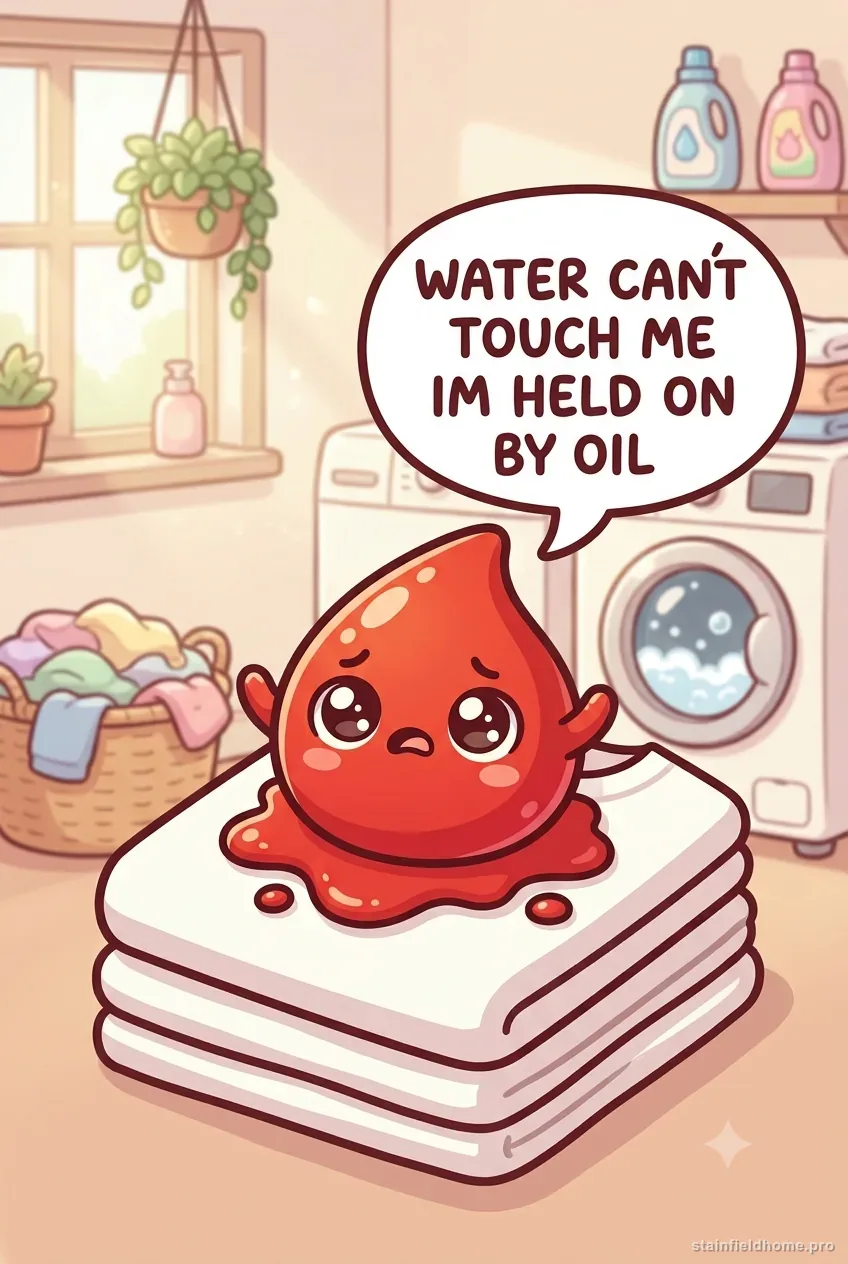
Tomato sauce on White cotton shirt
Tomato sauce is oil, red pigment, and acid working together. Break the oil with dish soap, lift the color with an oxygen soak and daylight, and keep heat away until the mark is gone.

Chocolate on Upholstery
Melted chocolate is fat, cocoa tannin, and milk protein in one mark. Chill it, lift the solids, then treat the grease and the brown stain in that order, without soaking the cushion.

Lipstick on Shirt collar
Lipstick is wax holding onto dye and oil. Lift it without spreading, dissolve the wax with dish soap or a solvent, then clear the color with an oxygen soak. Heat stays off until it is gone.
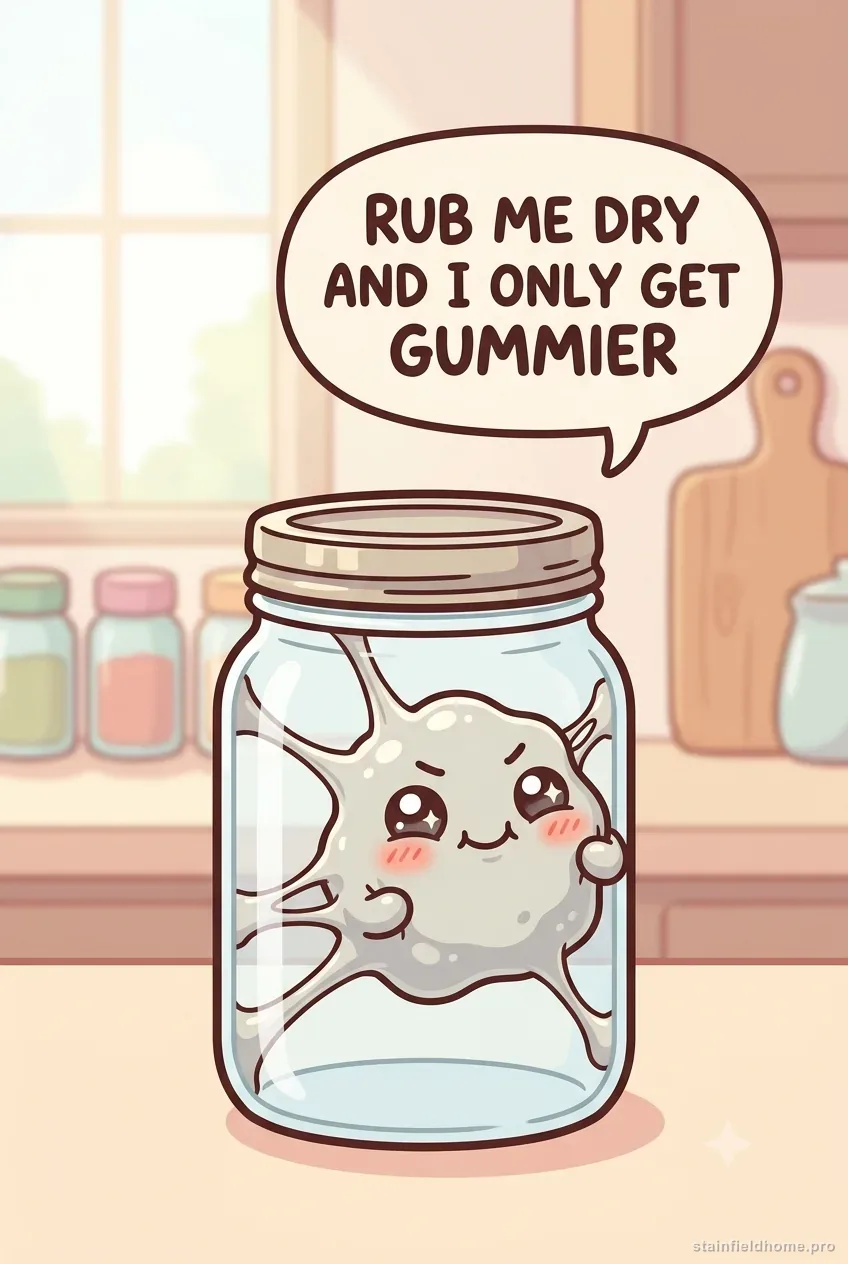
Sticker residue on Glass
Adhesive residue is a soft polymer that grabs harder the more you smear it. Soften it with heat or oil, roll it off with a plastic edge, then clear the film with alcohol or soapy water.

White water ring on Wood table
A white ring is moisture trapped in the finish, not the wood. Gentle heat drives it back out; a mild abrasive polishes it away. A dark ring means the water reached the wood and needs more.
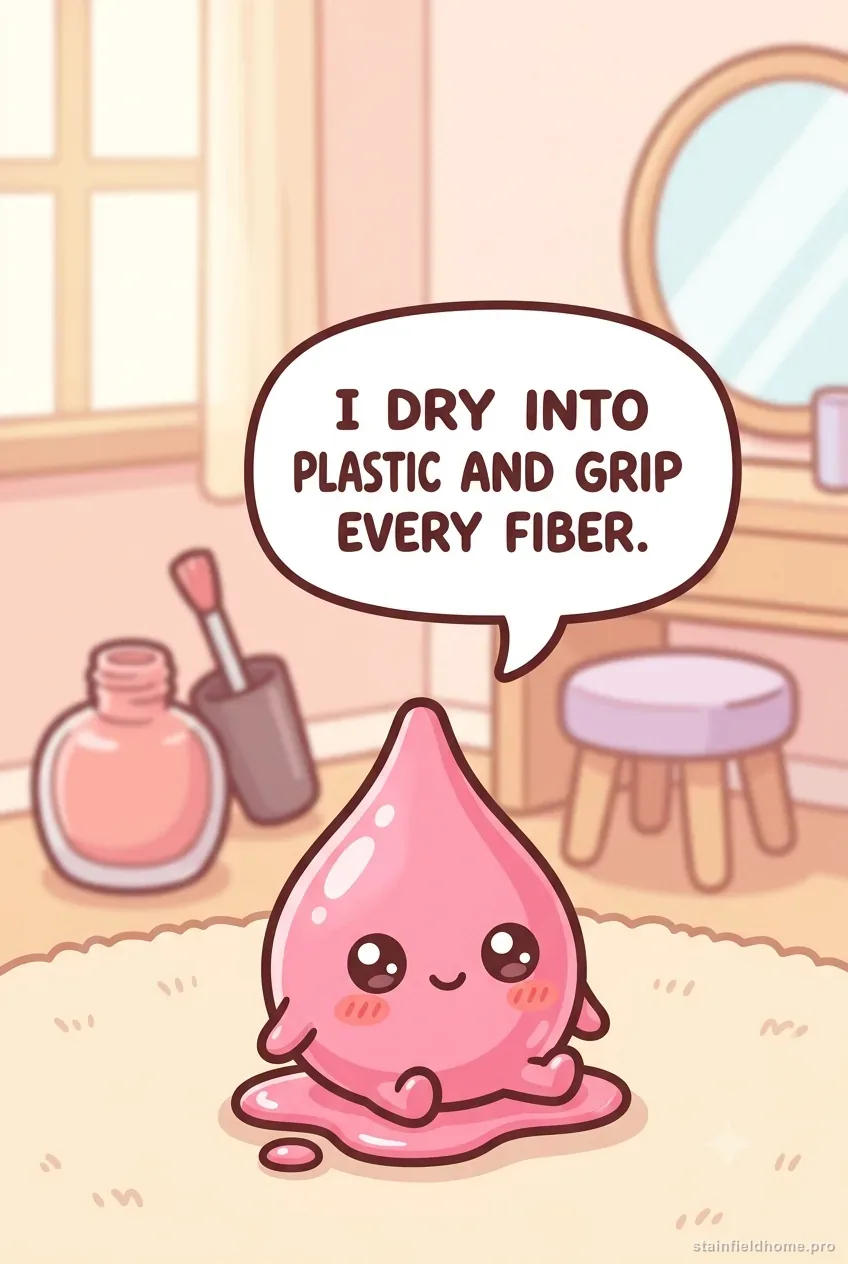
Nail polish on Carpet
Spilled nail polish is liquid plastic that dries into a colored film gripping the pile. Keep it wet, lift it with the right solvent from the outside in, and never pour remover straight onto the carpet.
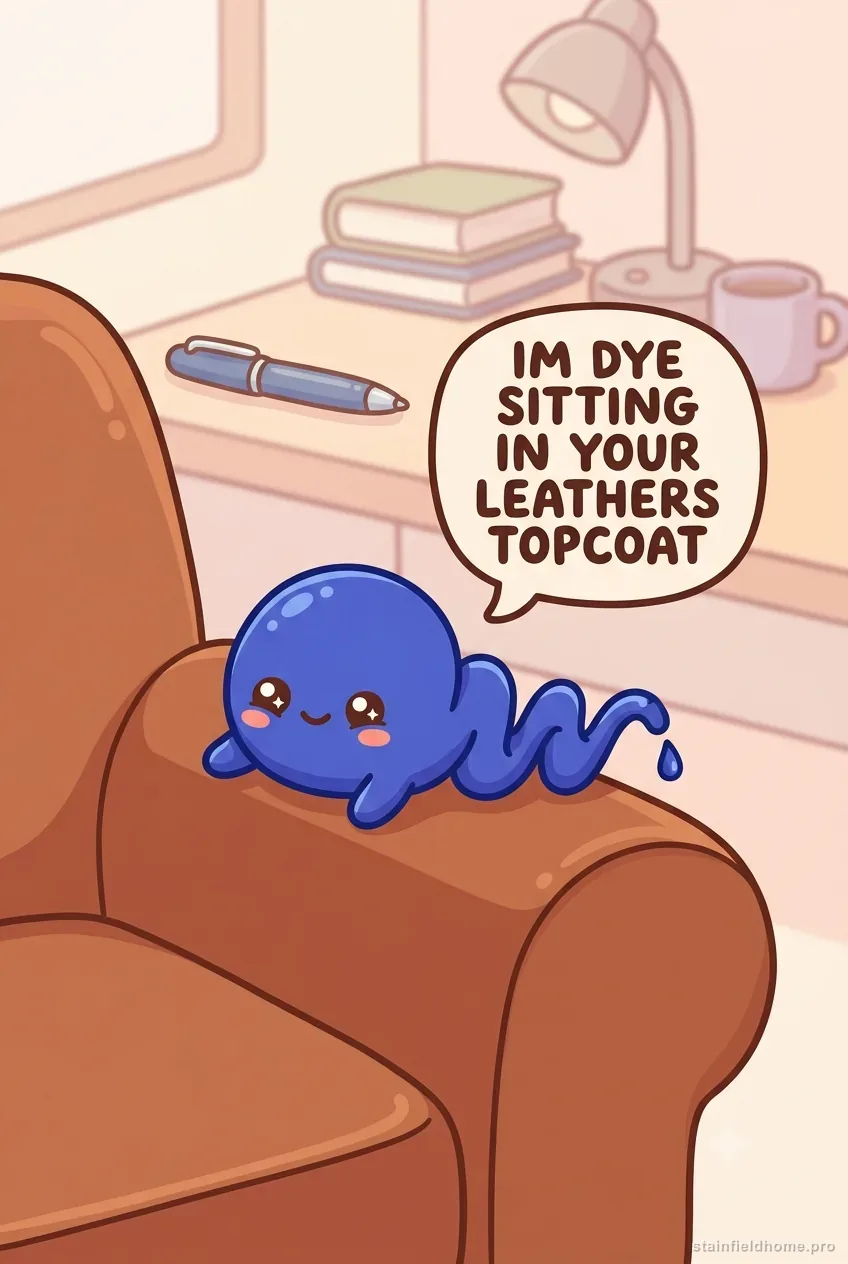
Ink on Leather
Ink on leather is dye sitting in the topcoat, plus an oily paste if it came from a ballpoint. Lift it with gentle alcohol from the outside in, go slow, and put the moisture back with conditioner.
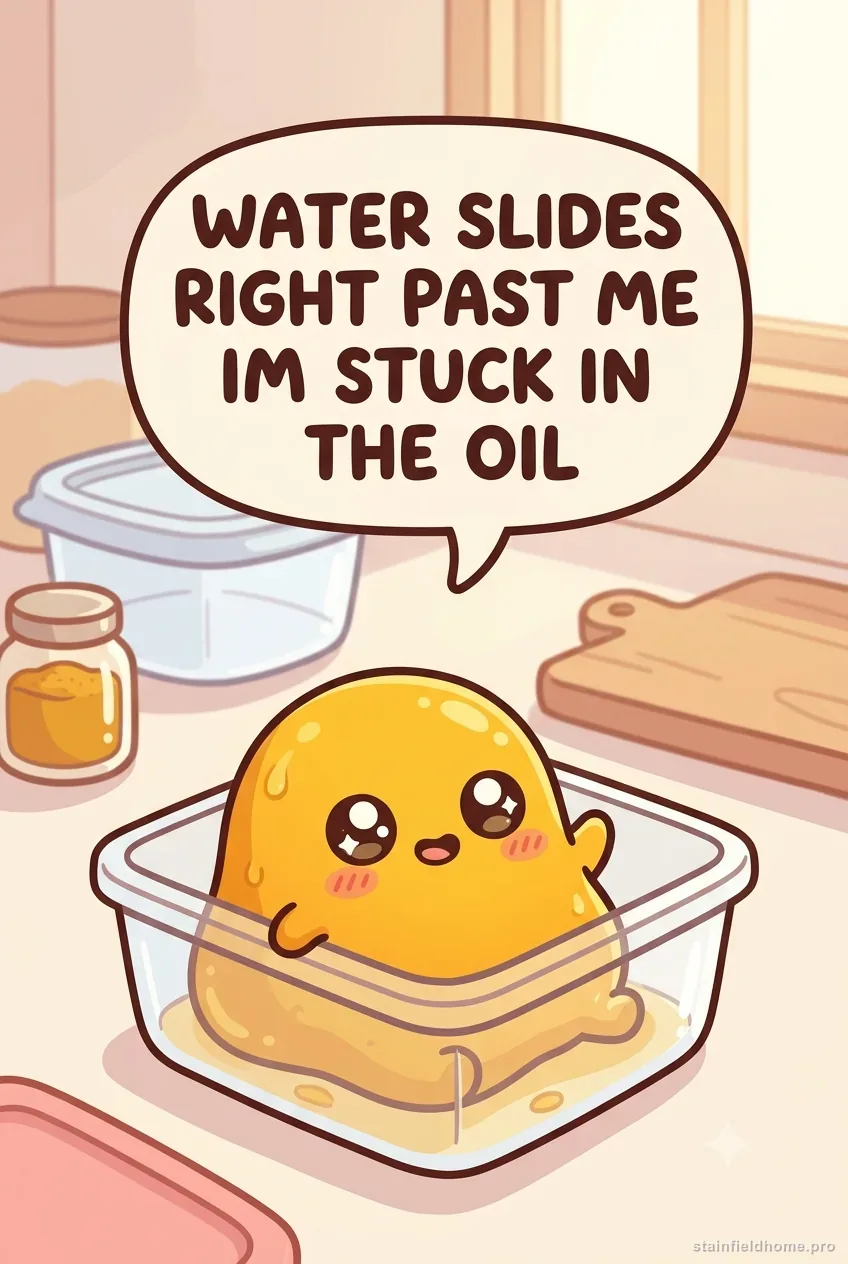
Turmeric on Plastic container
Turmeric's yellow is curcumin, a fat-soluble pigment that clings to oil and to tiny scratches in the plastic. Cut the oil with soap, lighten the color with an oxygen soak, and let sunlight finish it.
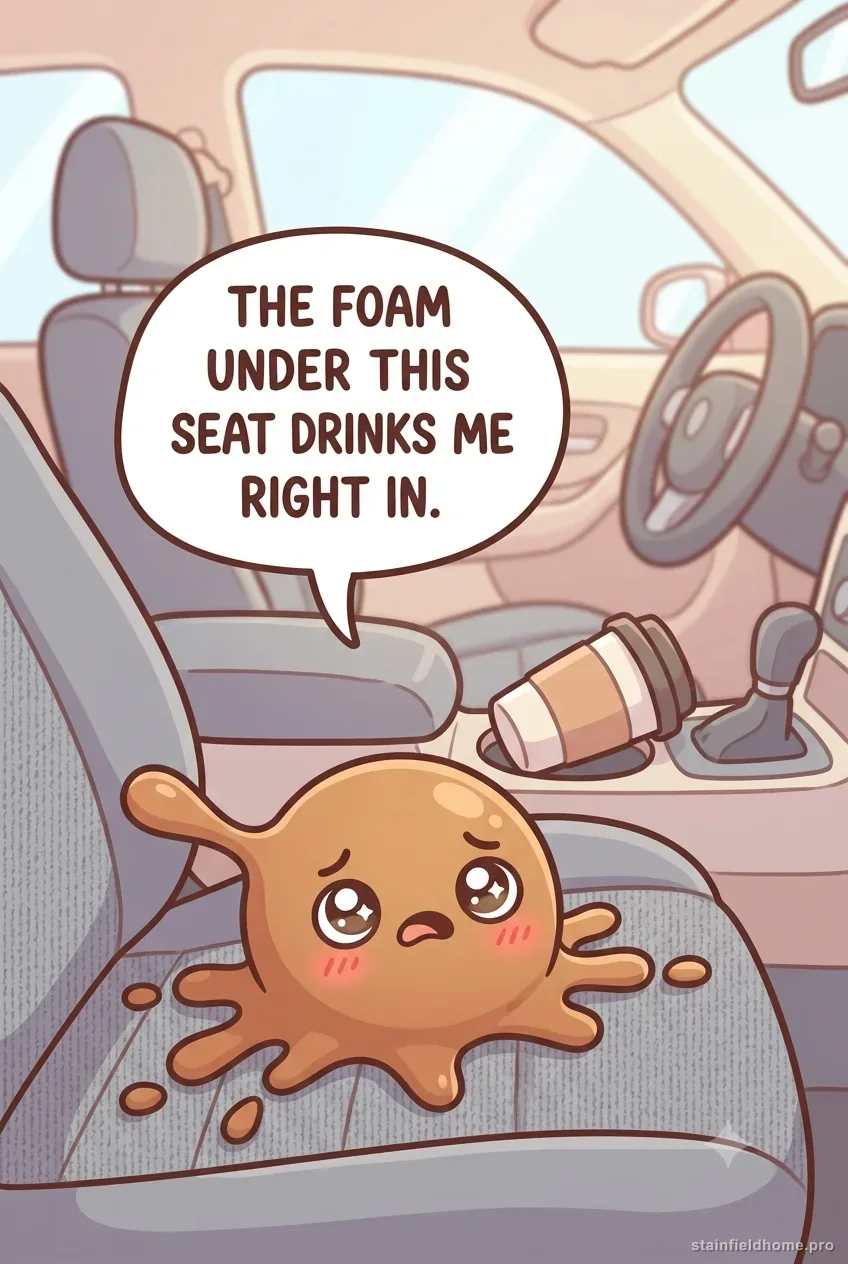
Coffee on Car seat
Coffee on a car seat is tannin, plus milk and sugar if you take it that way. Lift the brown with soap, break down the dairy with enzymes, and keep the foam under the fabric from getting soaked.

Deodorant on Dark clothes
A fresh white deodorant streak is surface residue you can rub off dry. A stiff, lighter build-up patch is months of antiperspirant salts and oils that needs an acid soak.
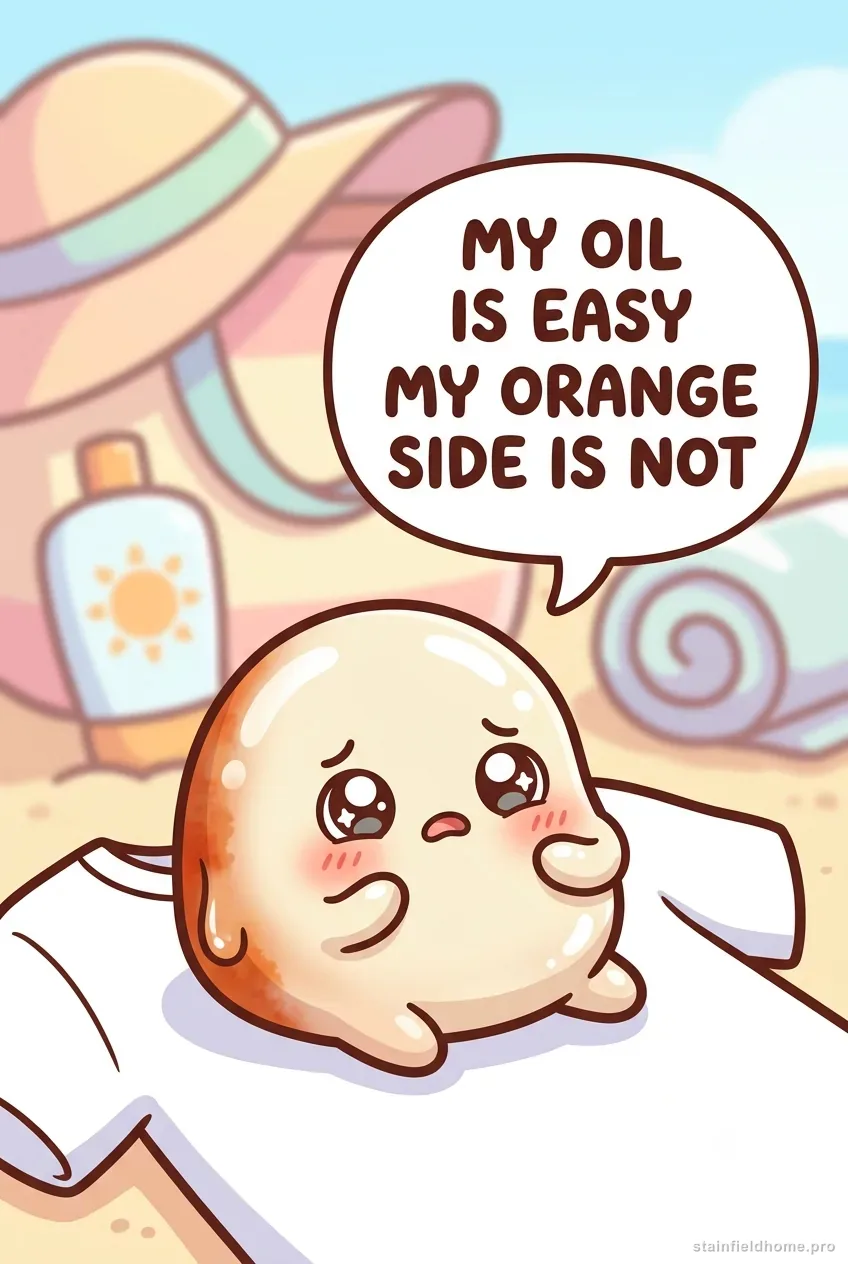
Sunscreen on Clothes
Sunscreen leaves two stains: a greasy one from its oils and a stubborn orange one where avobenzone meets iron in hard water. Cut the grease with dish soap and keep chlorine bleach and the dryer away.
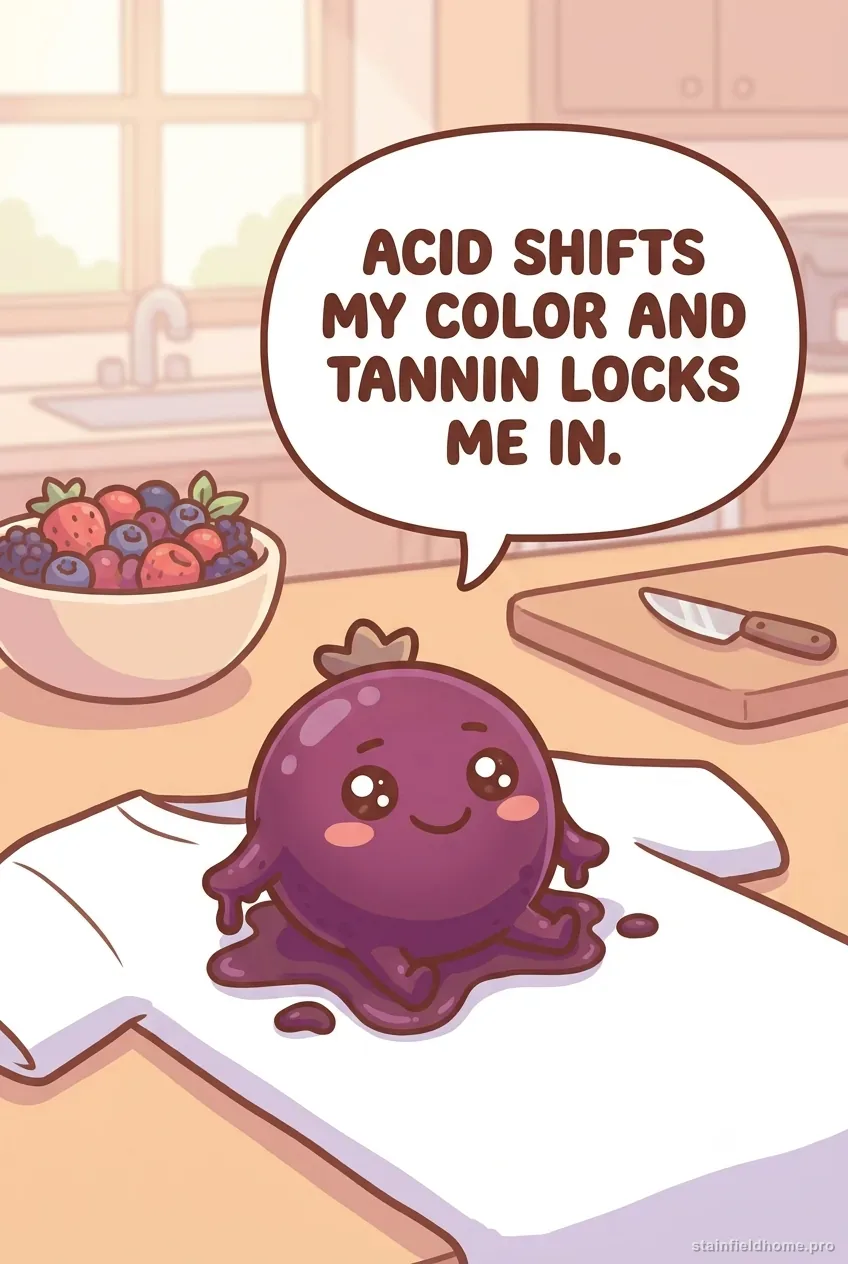
Berry juice on Clothes
Berry juice is anthocyanin pigment, a natural pH indicator, plus tannin that bonds to fibers. Flush it cold, shift it with acid, and finish with an oxygen soak. Heat is what makes it permanent.
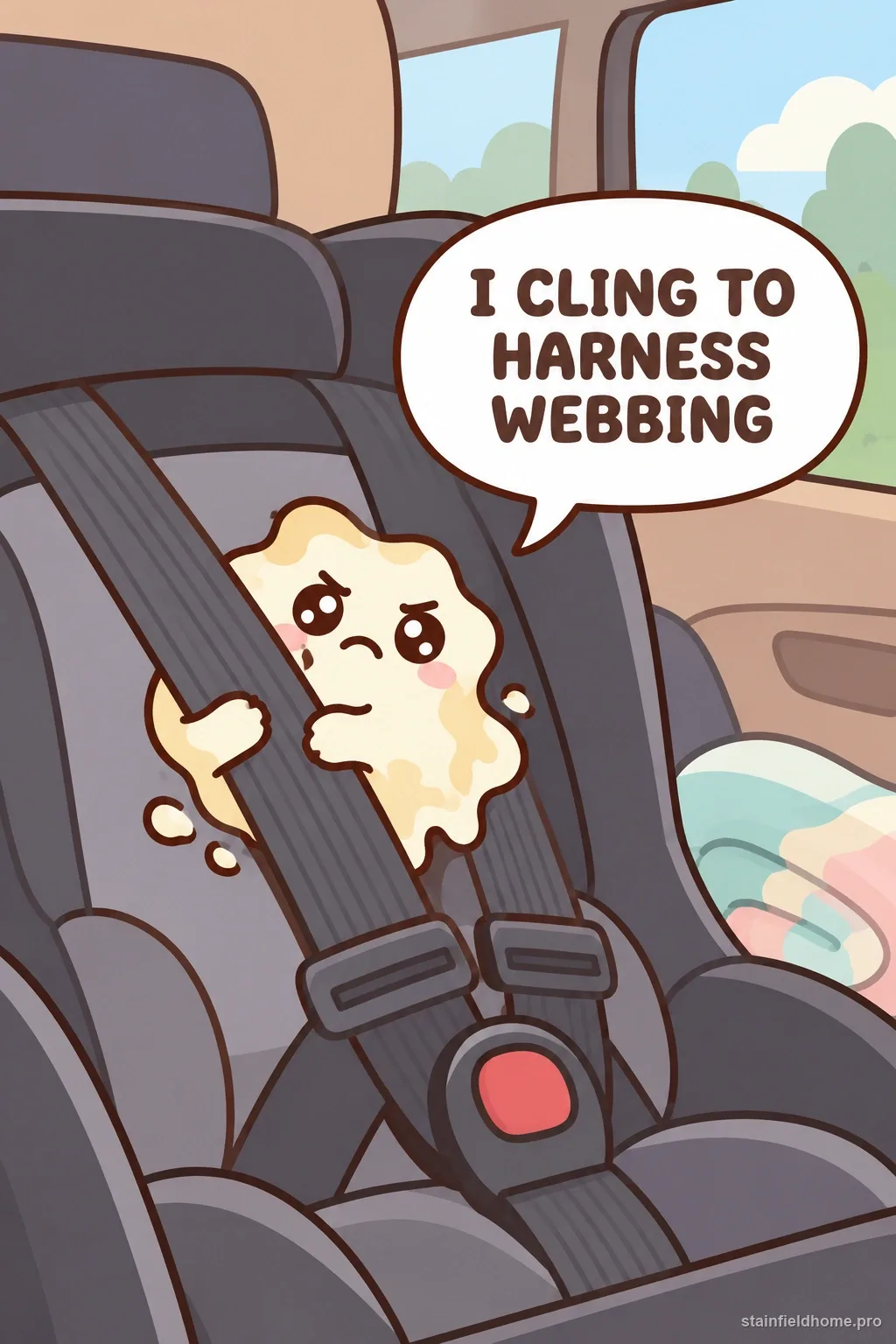
Formula and spit-up on Baby car-seat harness straps
Safely remove formula and spit-up from car-seat harness straps without soaking, bleaching, or weakening crash-safety webbing.

Food and juice on Stroller seat fabric
Remove food and juice stains from stroller seat fabric while protecting foam, coatings, color, harness parts, and sun-weakened material.

Sweat and body oil on Backpack shoulder straps
Lift sweat, salt, body oil, and grime from backpack shoulder straps without damaging foam padding, coatings, webbing, or structure.
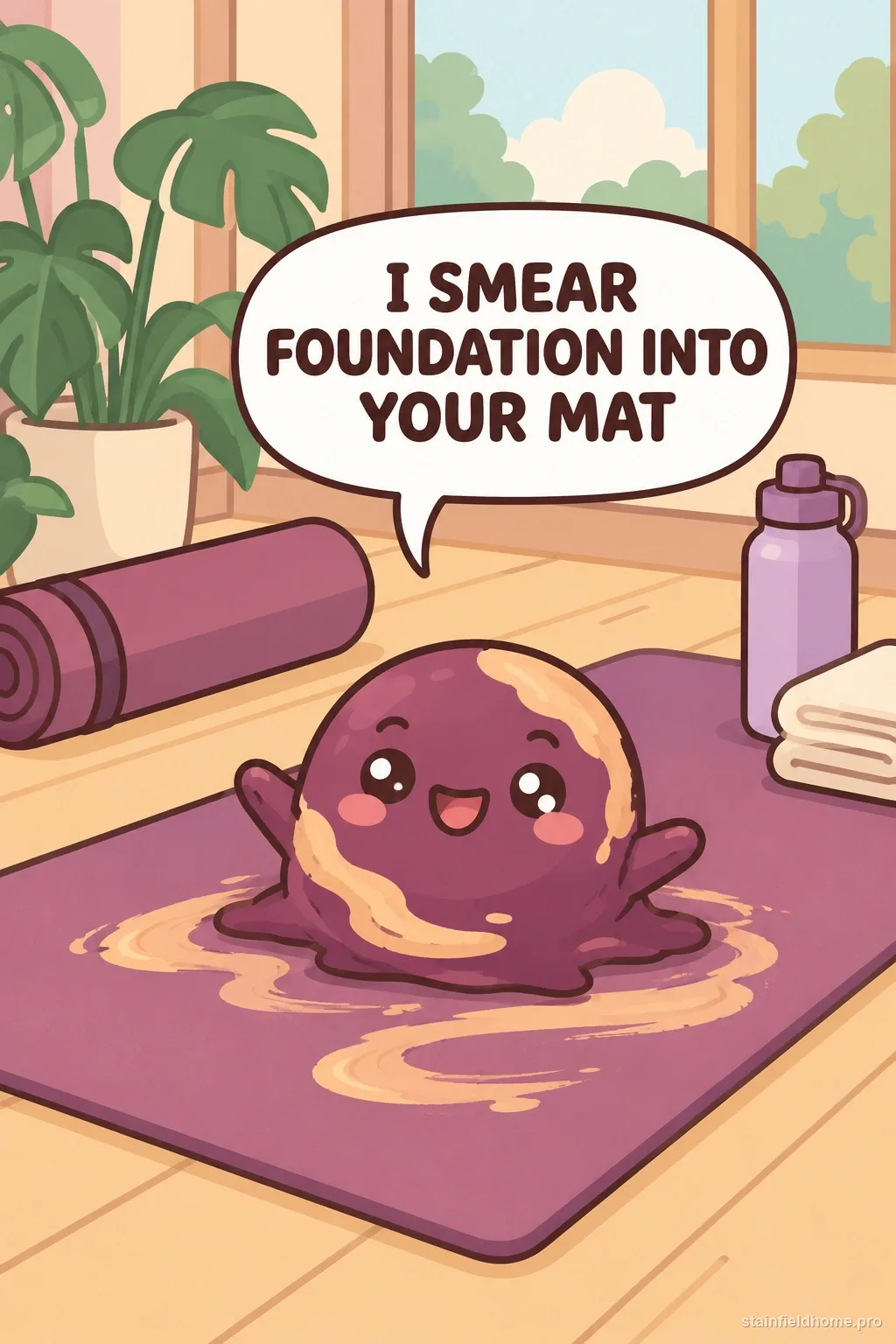
Sweat and makeup on Yoga mat
Clean sweat, skin oil, and makeup from PVC, TPE, rubber, or polyurethane yoga mats without stripping grip or damaging the surface.
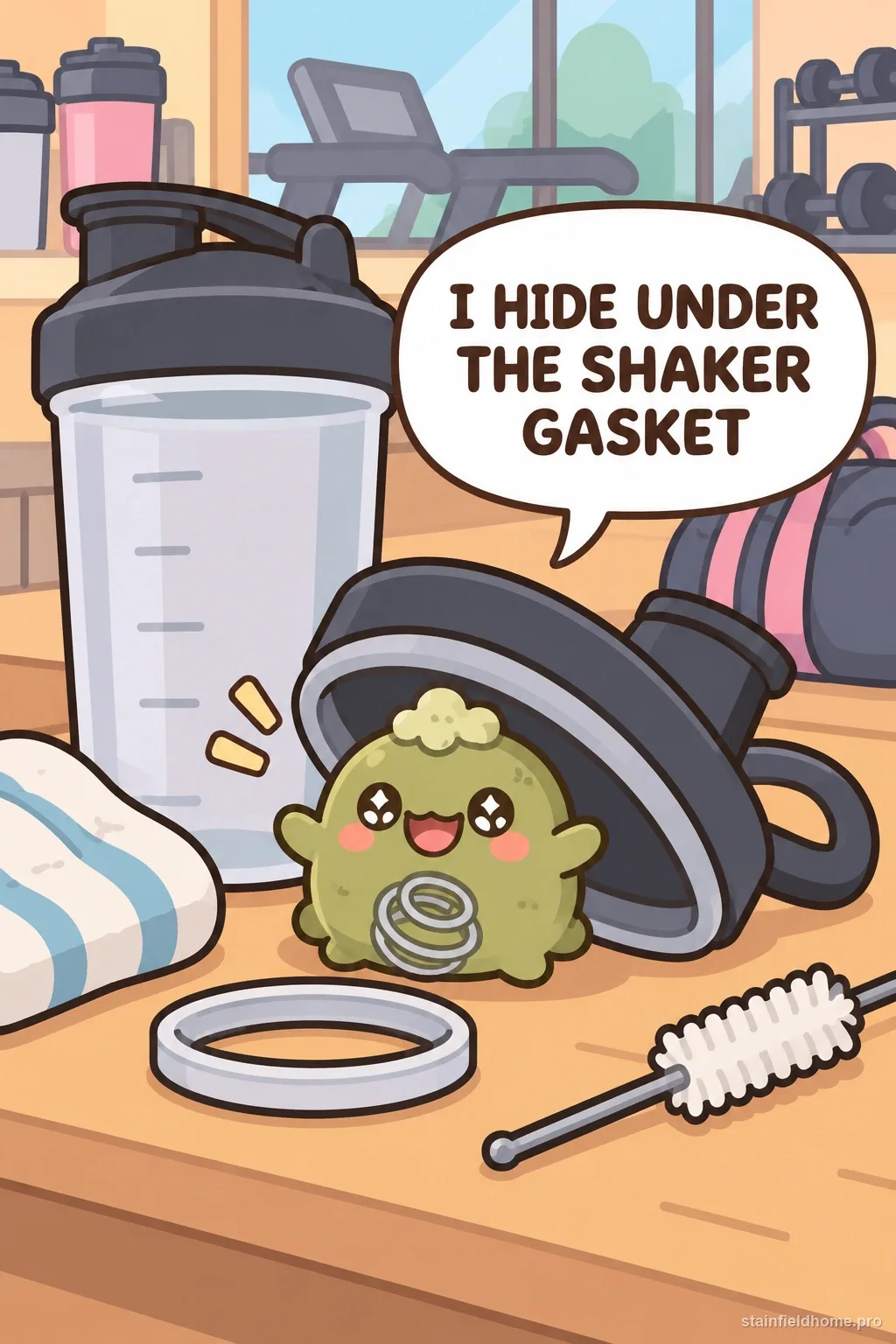
Protein residue and odor on Protein shaker bottle
Remove dried protein powder, sour odor, and residue from a shaker bottle, lid, threads, seals, and whisk without hiding the smell.
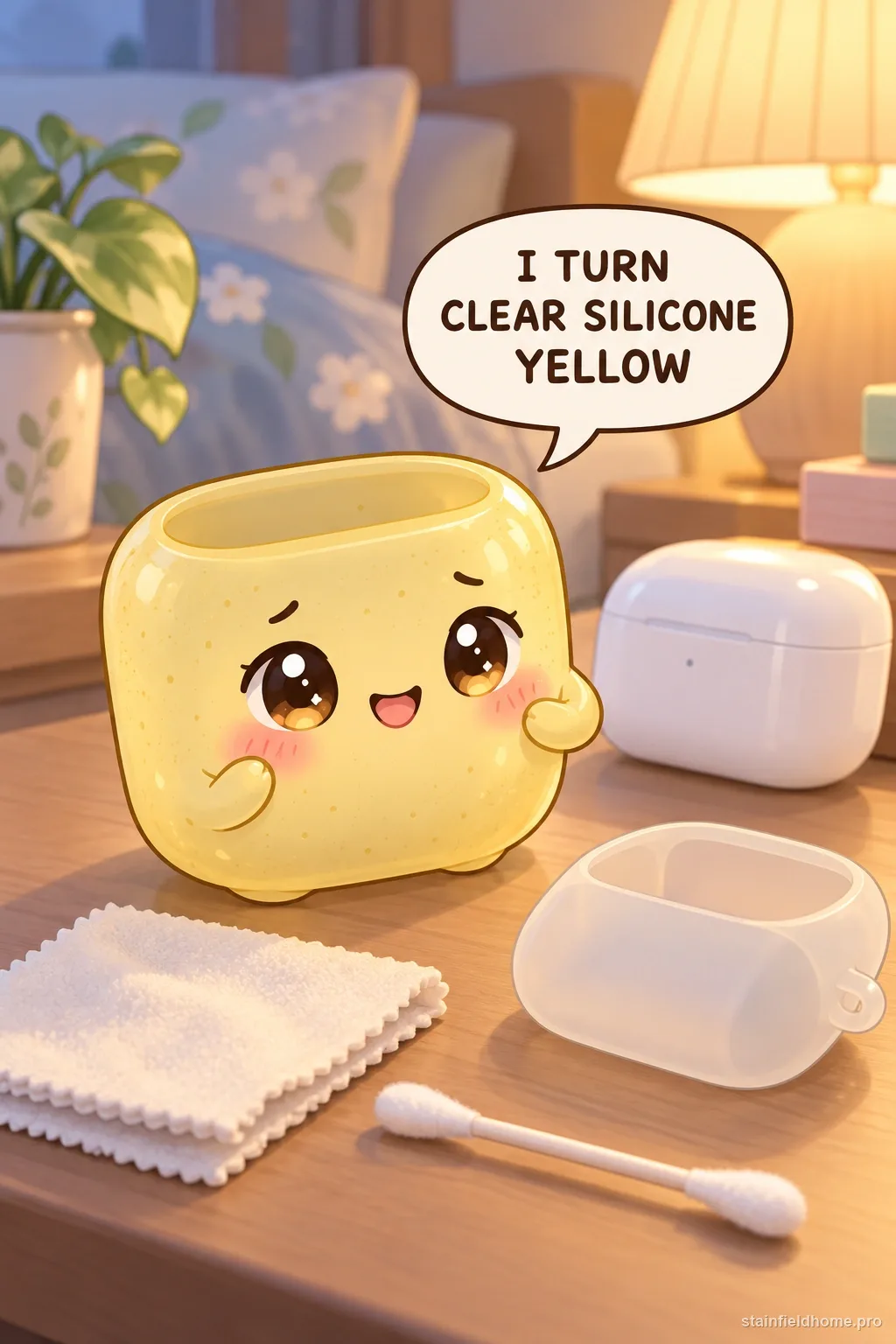
Yellowing and oily discoloration on AirPods silicone protective case
Clean oily stains on an AirPods silicone protective case and tell removable grime from permanent UV or material yellowing.
Turmeric on Quartz countertop
Remove turmeric from engineered quartz without dulling the finish, damaging resin binders, or copying unsafe natural-stone remedies.

Mildew on Marine vinyl boat seat
Clean mildew from marine vinyl seats without stripping protective topcoats, overusing bleach, or trapping moisture in seams and foam.

Winter salt on Suede boots
Remove white winter salt rings from suede boots with controlled moisture, vinegar where appropriate, slow drying, and nap restoration.
Yellow sweat and body oil on Memory foam pillow
Spot-clean yellow sweat and body-oil marks on memory foam without soaking, machine washing, or trapping damaging moisture inside the foam.
Coffee on Jute or sisal rug
Blot coffee from jute or sisal without soaking the plant fibers, causing browning, spreading rings, or weakening the rug backing.
Wood stain product on Skin and hands
Remove oil- or water-based wood stain from skin without scrubbing raw or using harsh solvents that increase skin exposure.
Uncured epoxy resin on Skin
Remove uncured epoxy from skin promptly without solvents, and know when resin or hardener exposure needs medical attention.
Grout haze on Newly installed tile
Identify cement, acrylic, urethane, or epoxy grout haze before cleaning so you remove residue without etching the tile or stone.
Melted plastic on Ceramic-glass stovetop
Remove melted plastic from ceramic-glass cooktops using the right temperature window and scraper technique without gouging the surface.

Burnt sugar and caramel on Stainless steel pot
Dissolve burnt sugar from stainless steel with hot-water deglazing instead of scraping hard or attacking the pot with abrasives.
Printer toner on Washable clothing
Remove loose printer toner from clothing with dry handling and cold water before heat melts the resin powder into the fibers.
Hair gel on Pillowcase
Lift dried hair-gel polymers and body oil from cotton, satin, or silk pillowcases without setting the residue in the dryer.
Halloween face paint on Washable clothing
Remove Halloween face paint by identifying water- versus oil-based makeup first, then pretreating without heat-setting pigment.
Skunk spray odor on Washable dog bed
Neutralize skunk odor trapped in washable dog-bed fabric and stuffing, then rinse and dry deeply enough to prevent a lingering smell.
Oil and food discoloration on Silicone bakeware
Remove greasy color and baked-on food film from silicone bakeware without cutting, scorching, or abrading the flexible surface.
Burnt-on food on Nonstick pan
Loosen burnt food from a nonstick pan with soaking and gentle cleaning instead of steel wool, knives, or coating-damaging abrasives.
Mildew on RV or camper upholstery
Clean mildew from RV or camper upholstery while controlling moisture in cushions, walls, and closed-season storage so it does not return.
Yellow sweat and body oil on Down comforter
Treat yellow sweat and body-oil stains on a down comforter without flattening the fill or leaving the interior damp enough for mildew.
Urine on Waterproof mattress protector
Clean urine from a waterproof mattress protector without damaging the membrane with bleach, high heat, or aggressive enzyme soaking.
Ink and coffee on Canvas tote bag
Treat coffee and ink on heavy canvas without weakening tote stitching, spreading dye, or shrinking a bag labeled for spot cleaning only.
Food, drink, and grease stains on Mesh office chair
Clean coffee, juice, grease, and everyday marks from office-chair mesh without oversaturating the open weave or damaging backing layers.
Mold and biofilm on Reusable bottle straw and gasket
Disassemble and deep-clean reusable bottle straws, valves, and silicone gaskets so biofilm is removed from hidden wet crevices.
Baby spit-up on Diaper bag
Remove milk-protein spit-up from coated diaper-bag fabric without soaking liners, fading prints, or trapping odor in padding and seams.
Permanent marker on Vinyl backpack
Lift permanent marker from vinyl with controlled rubbing alcohol instead of abrasive scrubbing that can dull or strip the surface.
Dried acrylic paint on Carpet
Soften a hardened acrylic paint spill in carpet with warm water and a little alcohol or acetone, work it out of the pile in stages, and rinse without spreading it.
Self-tanner on White bath towels
Lift brown self-tanner and bronzer streaks from white cotton towels with a soak that targets the dye and the guide color, then wash warm before the stain sets.
Permanent hair dye on Bathroom countertop
Get permanent hair color off quartz, laminate, cultured marble, or sealed stone before it sets, using the mildest method the surface allows and never an abrasive pad.

Melted crayon on Car seat
Lift wax and pigment from a crayon that melted into cloth or leather upholstery in a hot car, using cold to harden it and gentle warmth to draw the rest out.
Diaper rash cream on Baby clothes
Get greasy white zinc oxide diaper cream out of onesies and sleepers by lifting the paste, cutting the oil with dish soap, and washing warm before it sets.
Yellowed tape adhesive on Painted wall
Take aged, hardened tape adhesive off painted drywall without pulling the paint, using warm heat, an oil to soften the gum, and the gentlest possible scrape.
Fabric softener on Dark clothes
Identify and remove the blue-grey or greasy blotches liquid fabric softener leaves on dark laundry, and change how you dose it so it stops happening.
Sunscreen (avobenzone) on White swimsuit
Clear the rust-orange marks avobenzone sunscreen leaves on white and light swimwear by treating them as a metal-and-oil stain, not a normal grease stain.
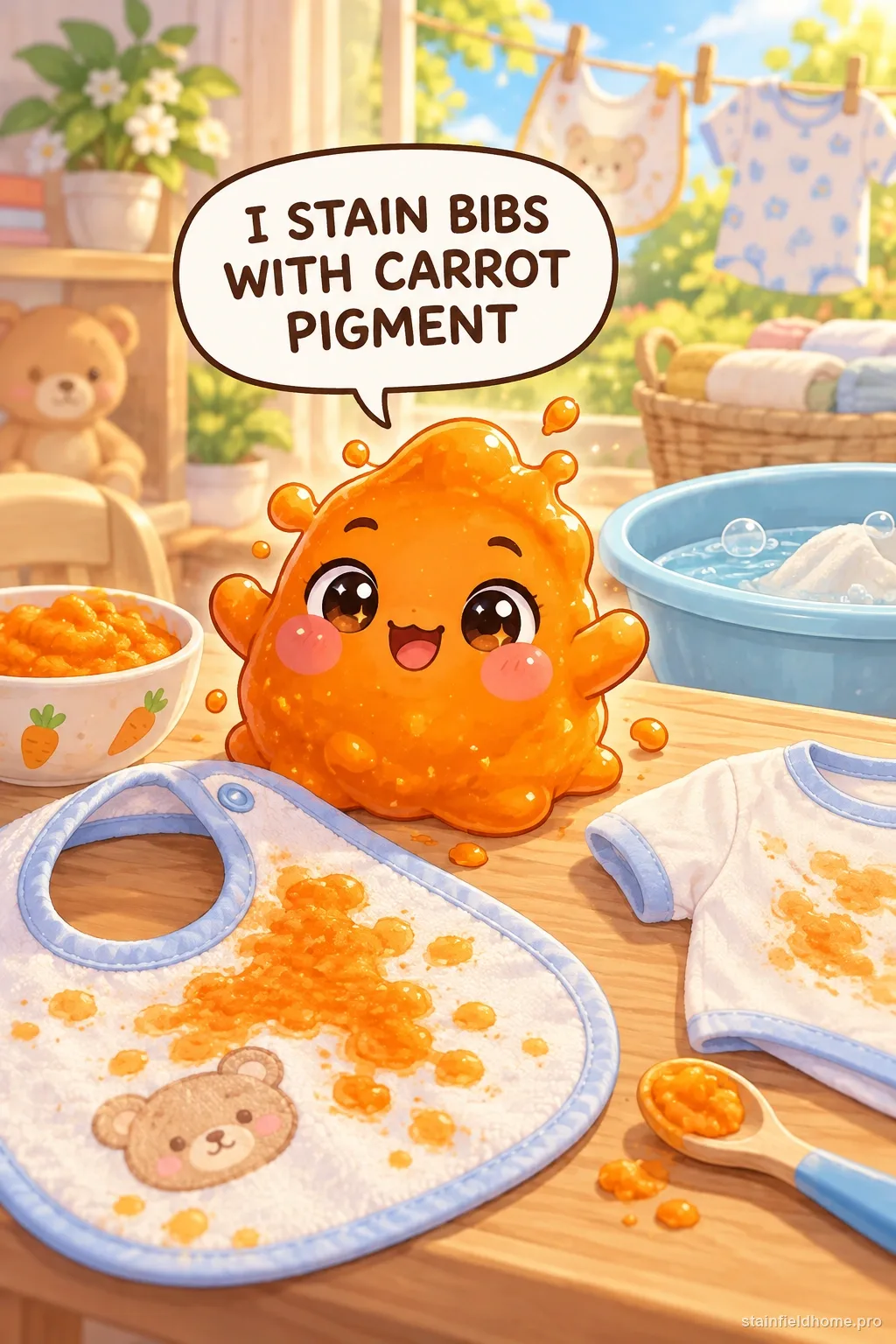
Orange baby food on Bibs and baby clothes
Get the stubborn orange of carrot, sweet potato, and squash purees out of cotton bibs and onesies, and use sunlight to finish what washing starts.
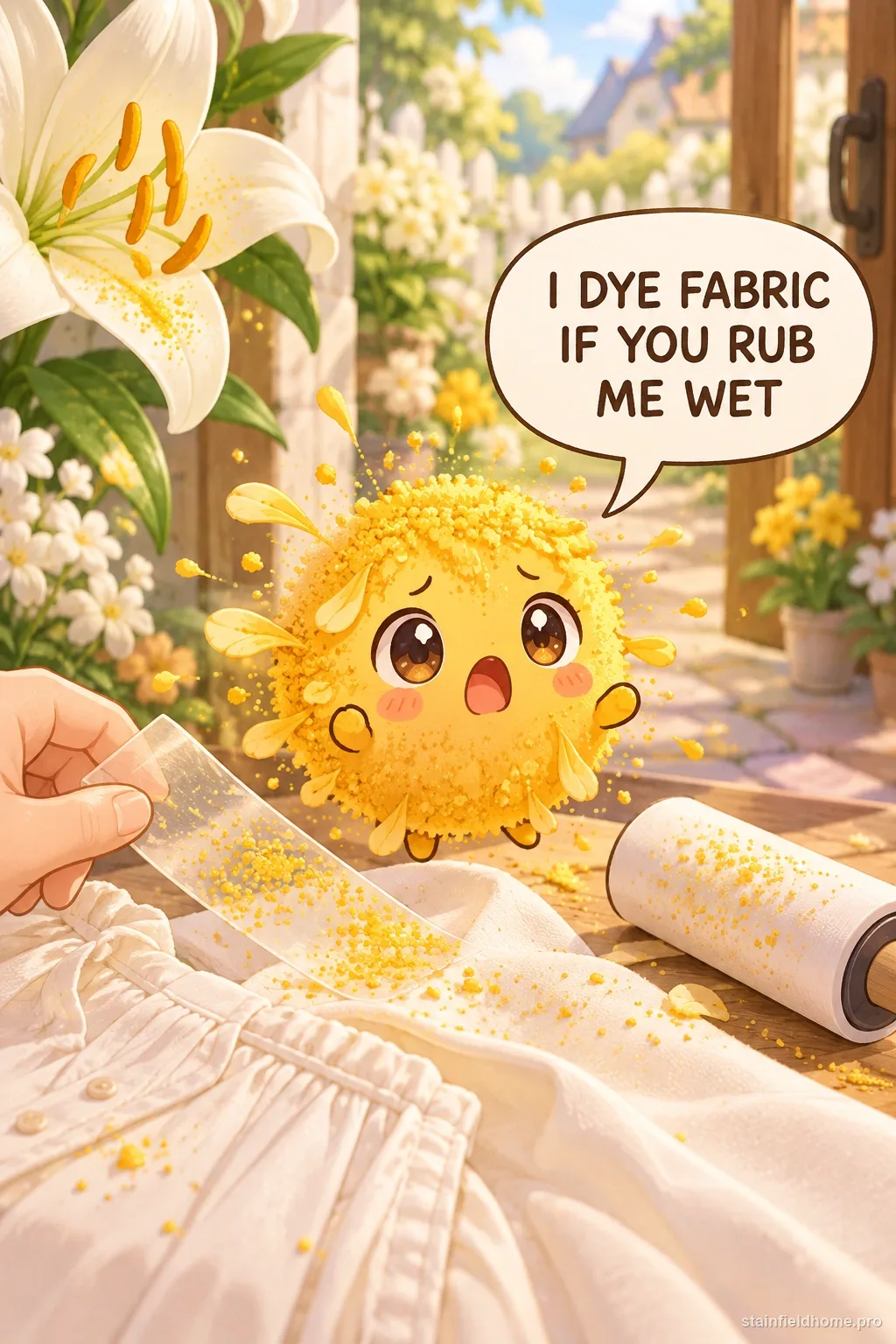
Lily pollen on Clothing
Lift lily pollen from clothes while it is dry, pretreat the remaining mark, then wash by the garment label without rubbing or heat-setting the pigment.
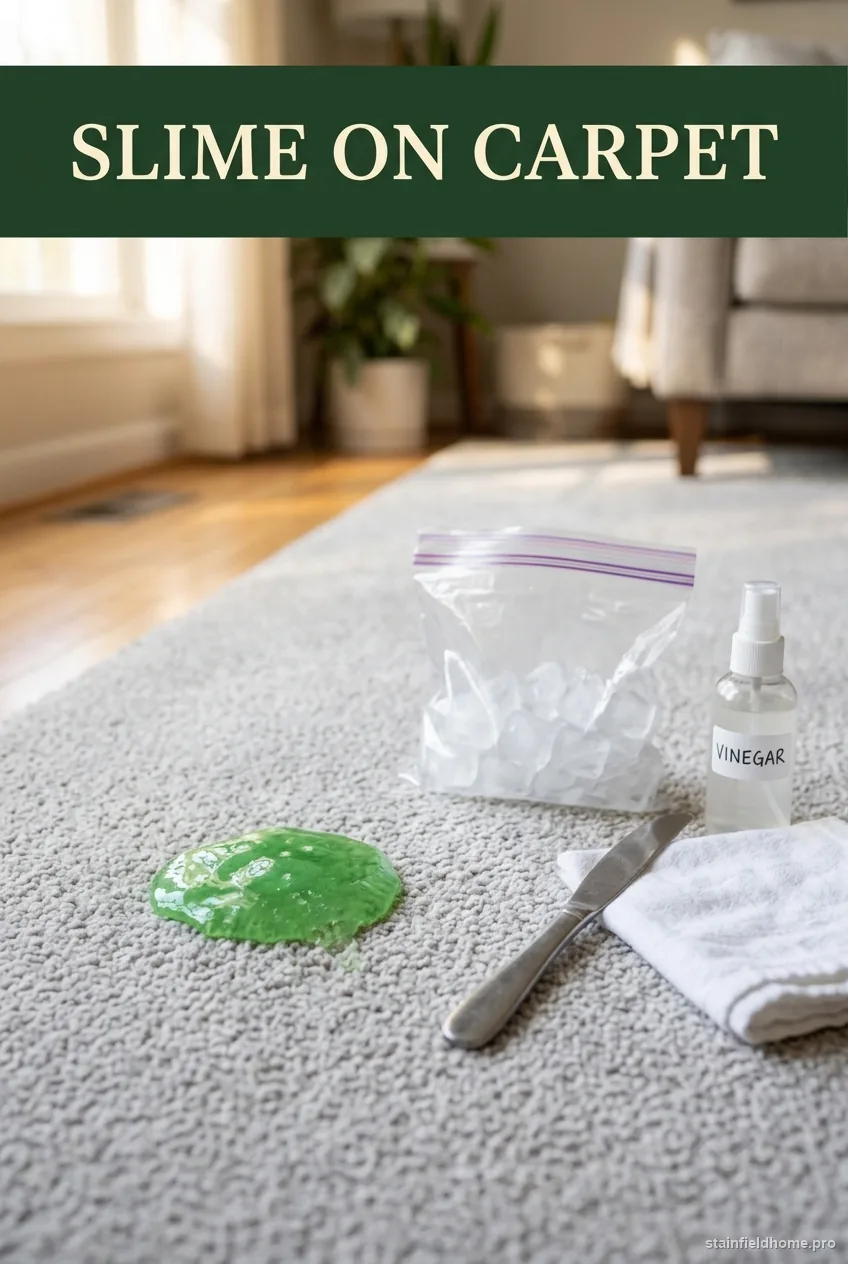
Slime on Carpet
Lift dried or fresh slime out of carpet fibers with an ice-and-scrape method plus a vinegar or rubbing alcohol rinse, without soaking the backing or bleaching the color.
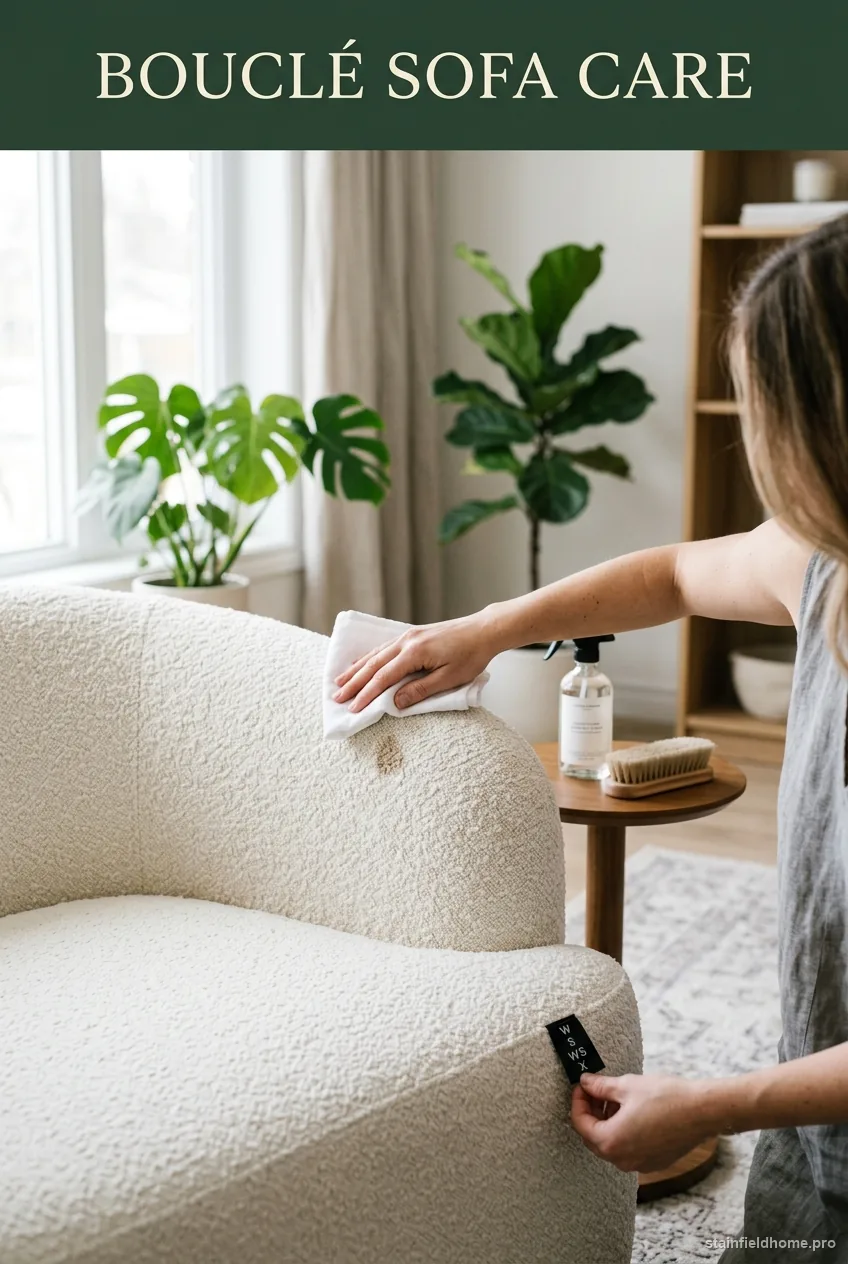
Spills and body oils on Bouclé sofas and chairs
Spot-clean a bouclé sofa or chair by its cleaning code, protect the looped pile from matting, and know which spills need a dry solvent instead of water.
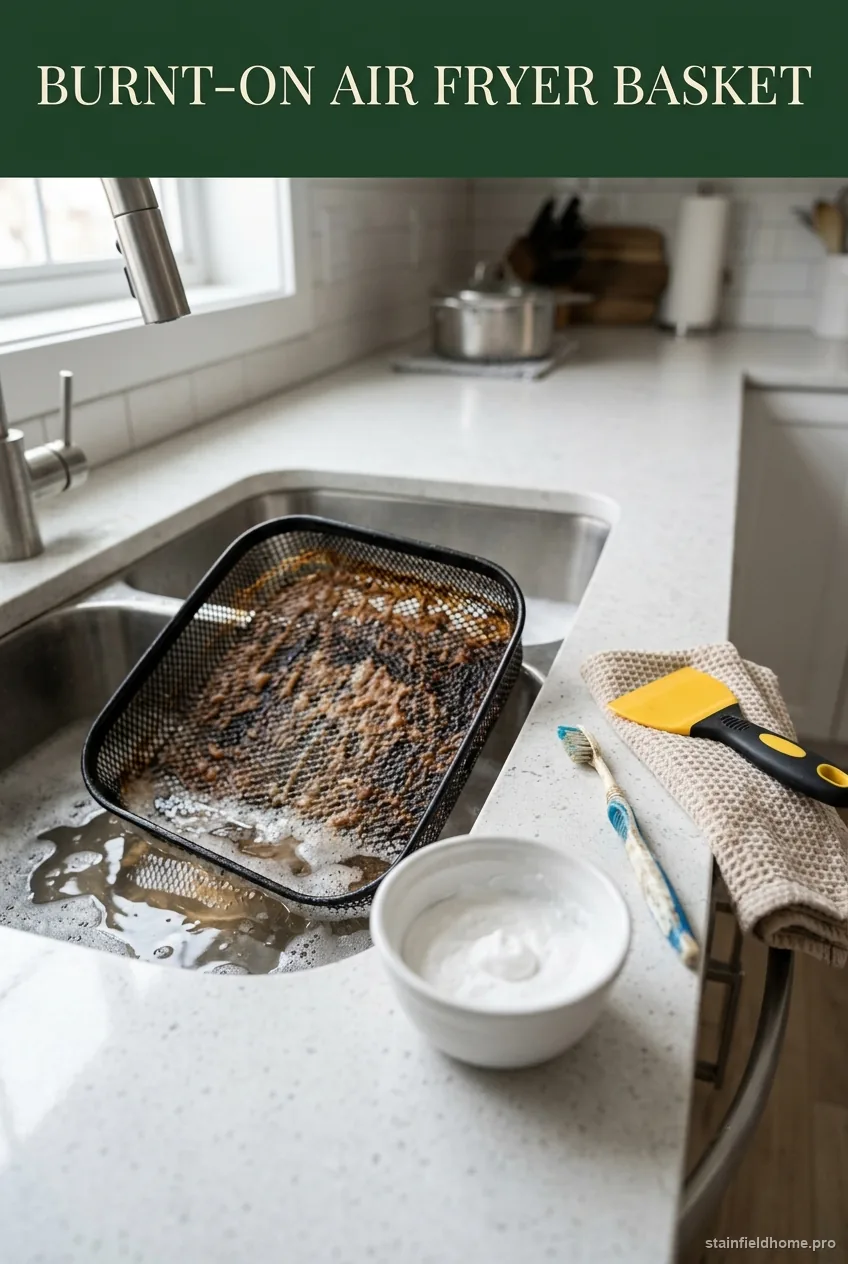
Burnt-on grease and food residue on Air fryer basket
Break down baked-on grease in an air fryer basket with a soak and baking-soda paste, without scratching the nonstick coating or getting water near the heating element.
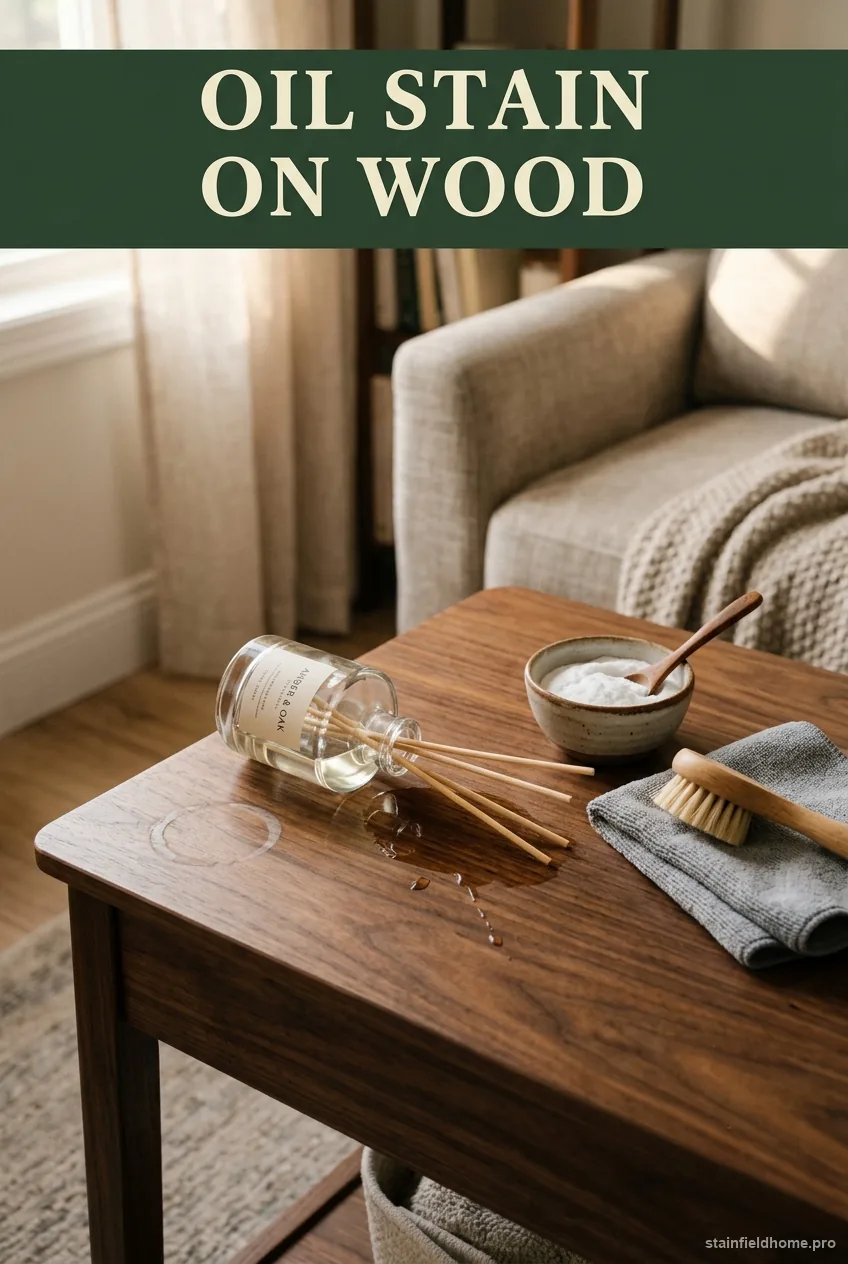
Essential oil and reed-diffuser oil on Finished wood furniture
Blot a diffuser-oil spill on finished wood, use a cautious absorbent step, and recognize when the finish needs a furniture repair professional.
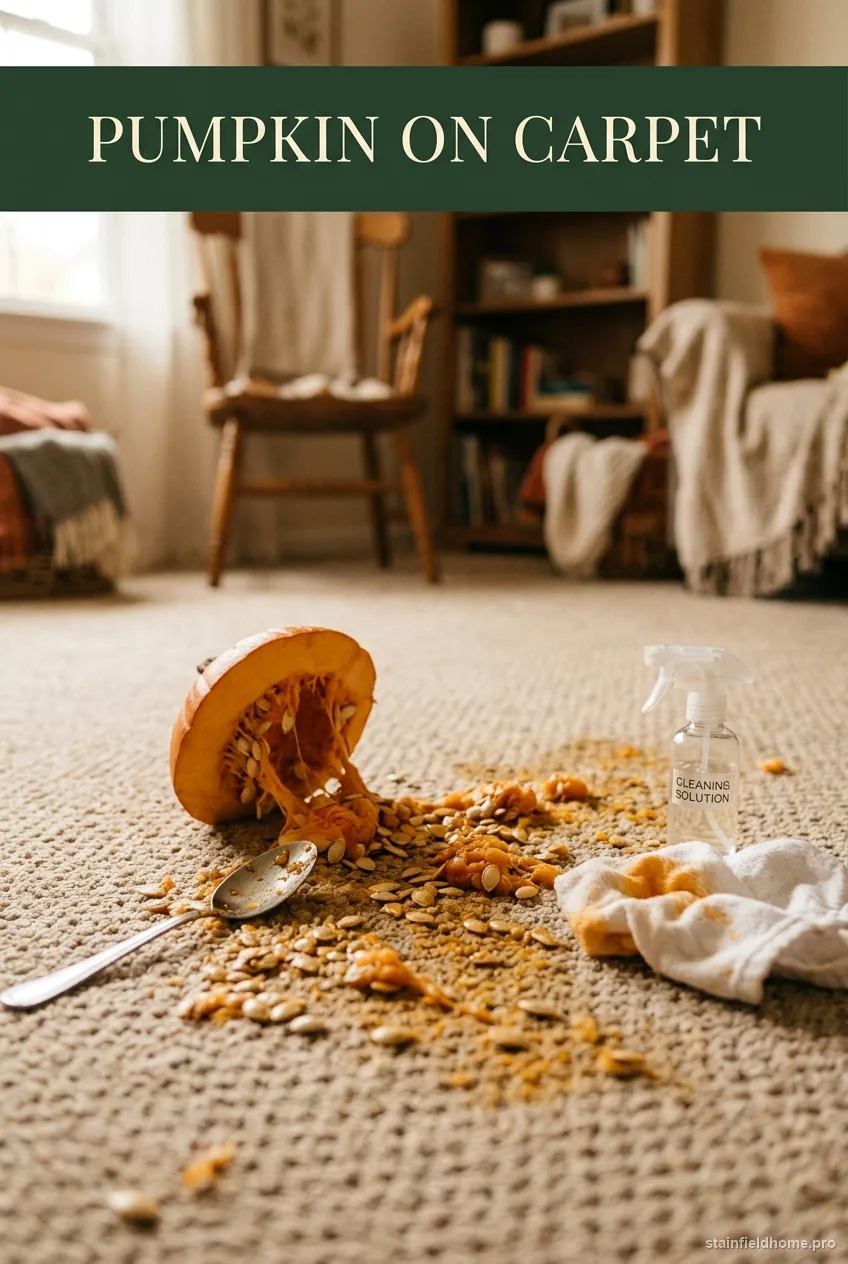
Pumpkin (carving, decorating, or puree) on Carpet
Remove pumpkin pulp and treat any remaining orange mark on carpet with a careful, low-moisture sequence that follows the carpet maker's guidance.
Our method
A fabric, a sealed stone counter, and a stainless appliance don't share one safe chemistry—we start by naming what you're actually cleaning.
We start with absorption, controlled moisture, and care-label limits before escalating.
Every guide names the warning signs that mean a professional is the safer choice.