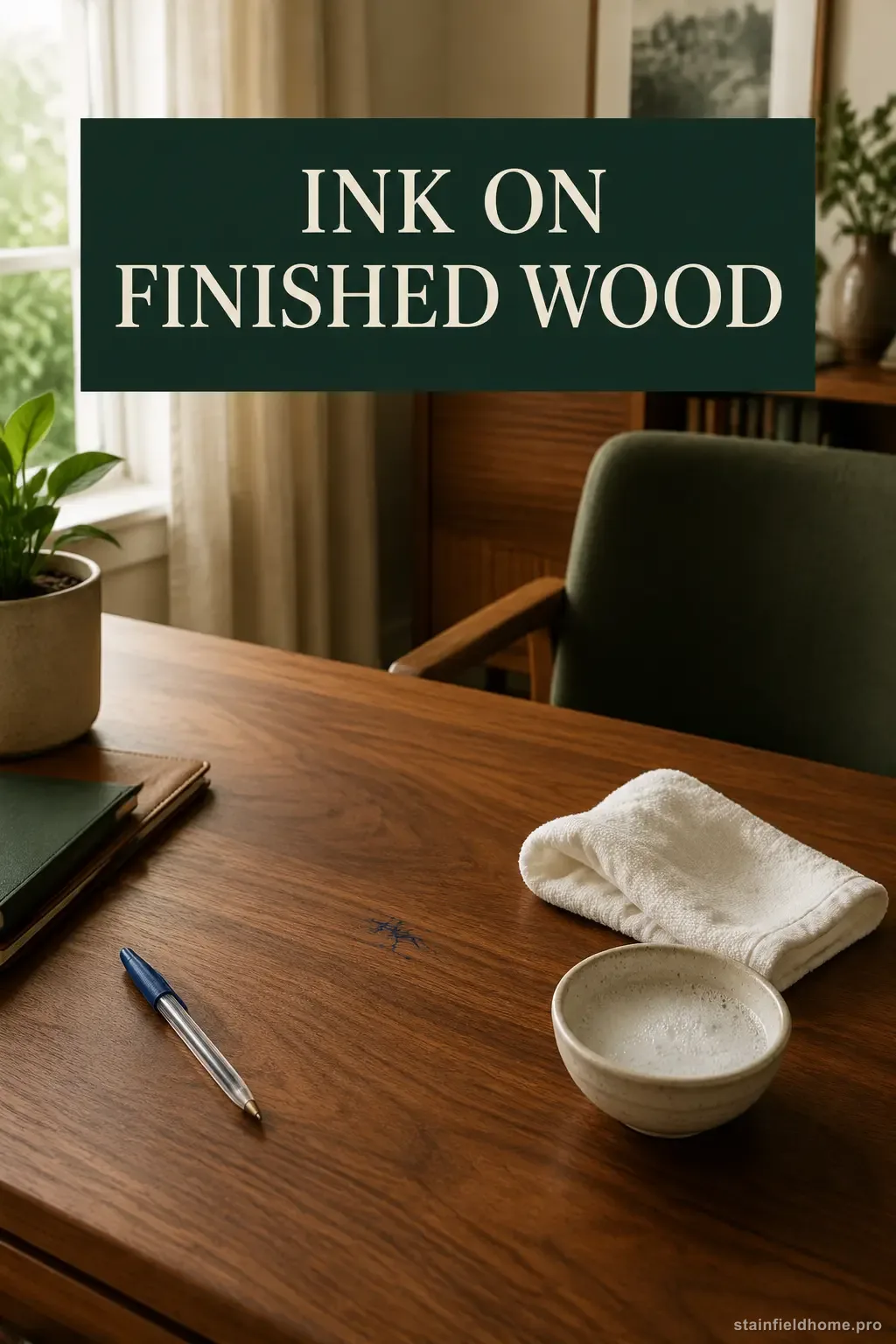
The quick answer
Blot a fresh ink mark without spreading it, then identify the wood finish and test in a hidden area. For a stable, sealed finish, make suds with a few drops of mild dish detergent and warm water, lift only the foam onto a soft white cloth, and wipe lightly with the grain. Follow with a barely damp clean cloth and dry at once. Stop if color or gloss transfers. Do not make rubbing alcohol, acetone, hairspray, or abrasive scrubbing your first move; they can soften or dull some finishes.
What you’ll need
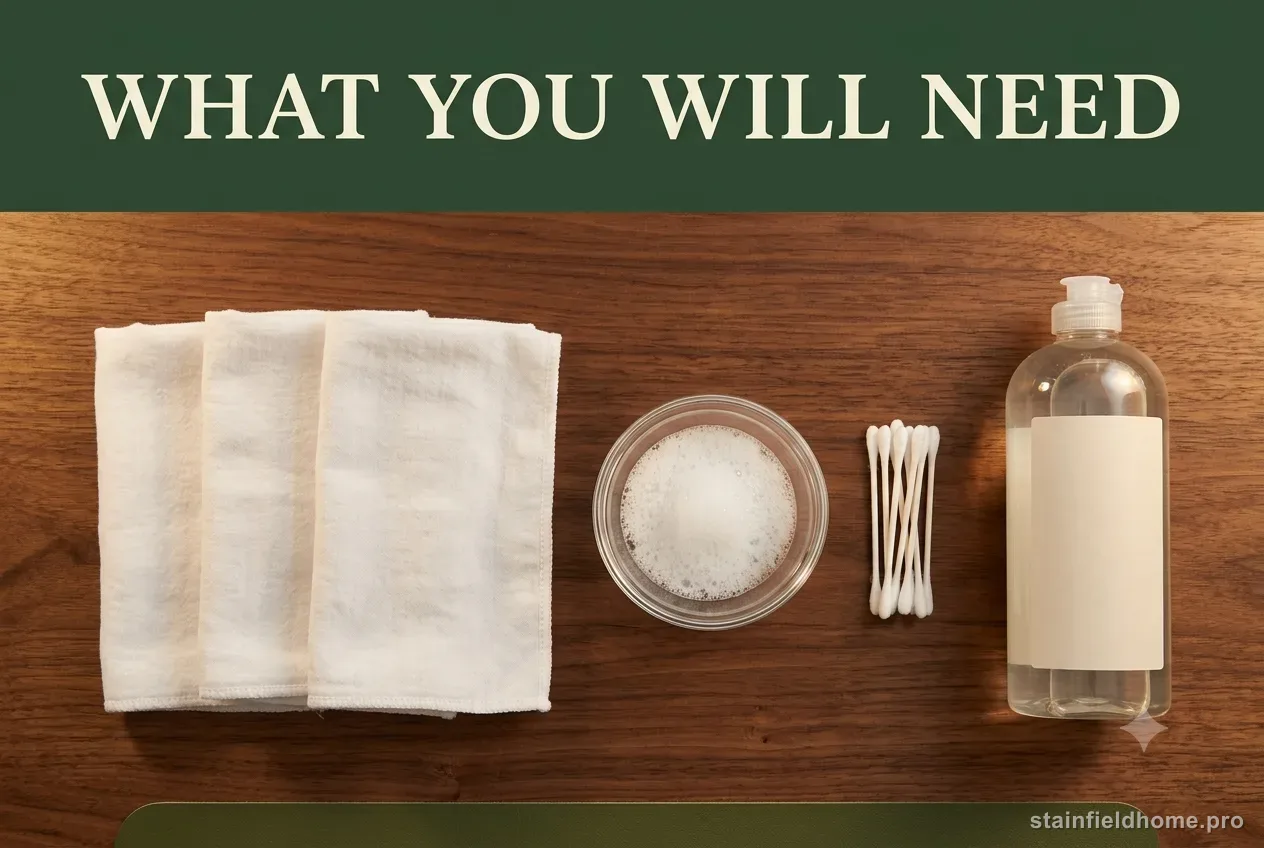
- Three clean, soft white cloths
- Mild clear dish detergent without bleach or abrasives
- Warm water in a small bowl
- A spoon or whisk for making soap foam
- Cotton swabs for a tiny hidden-area test
- The furniture maker’s finish and care information, if available
Confirm that the wood has a stable finish
Finished wood is not one material. A desk may be protected by polyurethane, lacquer, shellac, varnish, conversion coating, oil, wax, or a factory finish whose chemistry is not obvious by sight. A treatment that is harmless on cured polyurethane can haze lacquer, soften shellac, remove wax, or darken exposed wood. Check the maker’s label, invoice, or care page before choosing anything stronger than a lightly damp cloth.
Look closely at the ink mark and the surrounding surface. If the area already feels sticky, has white moisture bloom, shows bare pale wood, or has a cracked finish, skip home stain removal. The ink may have passed through a damaged coating, and adding liquid could deepen the color in the wood fibers. Veneer also needs caution because pooled water can enter an edge or seam and affect the adhesive below.
Test the gentlest method on an underside, the back of a leg, or another spot with the same finish. Touch it with a barely damp white cloth, dry it, and check after several minutes. Any color, tackiness, clouding, or gloss change is a stop signal. An inconspicuous test does not guarantee the visible area is identical, but it gives useful evidence before you work on the mark itself.
For a fresh ballpoint mark: contain it first
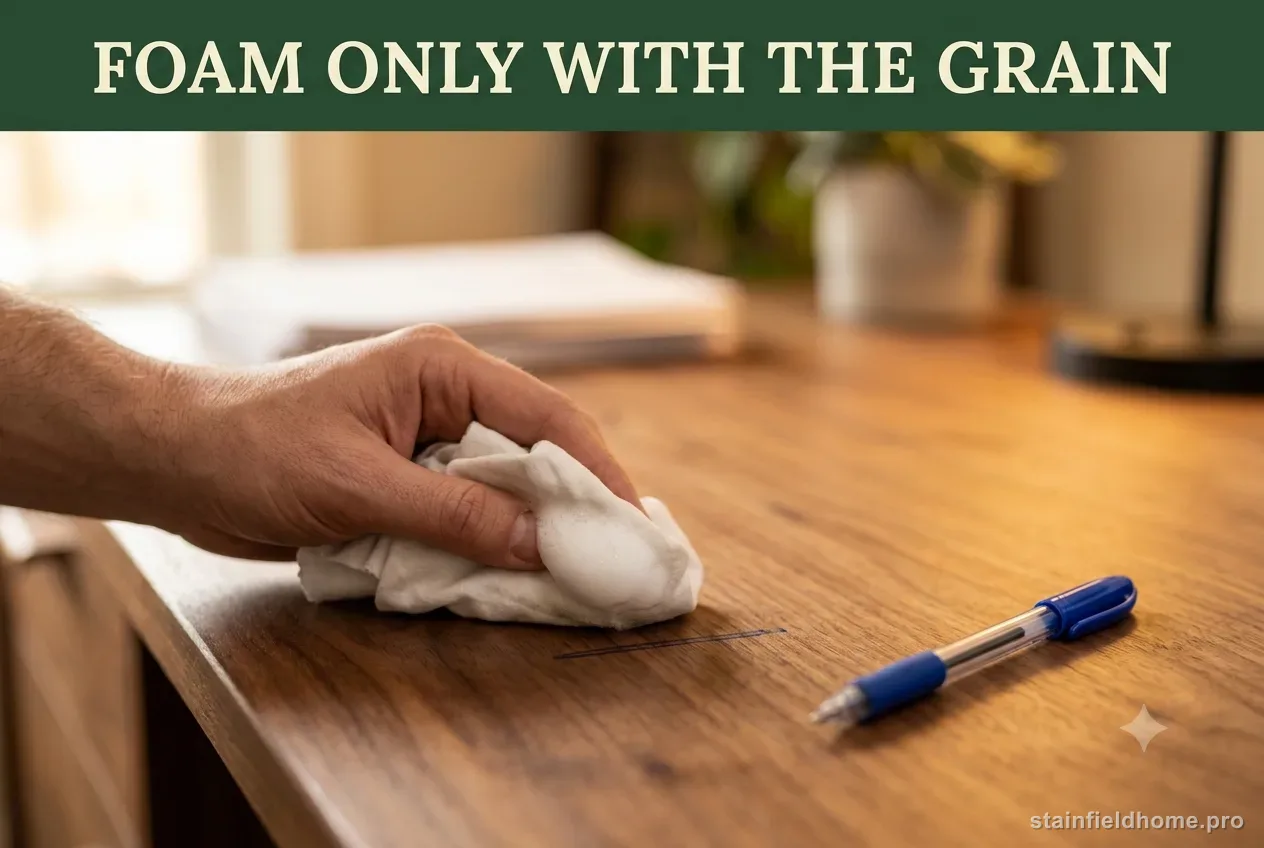
For ballpoint ink on stained wood, the University of Georgia Extension recommends detergent foam followed by a clear damp wipe. Foam gives better moisture control than pouring soapy water onto the surface. The goal is to lift ink resting on the coating before it migrates into scratches, joints, or exposed grain.
Use white cloths because their clean sections show both blue or black ink and any brown finish color that begins to move. Ink transfer should become lighter. If the cloth starts taking on the furniture color, or the cleaned patch looks shinier or duller than its surroundings, stop even if part of the line remains.
- 01
Remove the pen without dragging its tip. If ink is still pooled, touch the edge with a dry white cloth and lift straight up.
- 02
Rotate to a clean part of the cloth after every contact. Do not wipe in circles or chase the mark across the grain.
- 03
Make a bowl of foam with warm water and only a few drops of mild clear dish detergent. Use the foam, not a wet scoop of solution.
- 04
Put a small amount of foam on a clean cloth and wipe once with the wood grain, working from the outside of the line inward.
- 05
Blot with a second cloth that is barely damp with plain water, then dry immediately with a third cloth.
- 06
Inspect from a low angle. Repeat one short soap-foam pass only if ink is still transferring and the finish remains unchanged.
For an older or set ink line
Begin exactly as you would for a fresh mark: dust the surface, run a hidden moisture test, and try one controlled soap-foam pass. Old ink on top of a sound finish may still soften. Hold a foam-dampened cloth against the line for only a few seconds, wipe with the grain, rinse with a barely damp cloth, and dry. Do not leave a wet compress on wood; dwell time increases the chance that moisture reaches a crack or joint.
If no ink transfers after two gentle cycles, more rubbing is unlikely to be the answer. The UGA guidance describes very fine steel wool and liquid wax as an escalation for persistent ink, but that action removes a fine layer of finish and requires the surface to be rewaxed. It is refinishing work, not ordinary spot cleaning. On modern factory finishes, veneer, antiques, or an unknown coating, a furniture repair professional should make that decision.
A restorer may be able to reduce the mark locally, blend sheen, or renew the topcoat. Take clear photos in side light and record every product already used. If the object has historic, sentimental, or high resale value, stop before testing any solvent. A small ink line is usually less conspicuous than a wide dissolved or abraded halo.
Why common ink remedies can damage furniture
Ballpoint ink is designed to deposit a fast-drying mixture of colorants and resins. That is why internet advice often jumps to alcohol or stronger solvents. The problem is that a solvent capable of softening ink may also soften the clear coating beneath it. Rubbing alcohol can dull or dissolve some lacquer and shellac; acetone can attack many coatings quickly; hairspray varies by formula and adds fragrance, resins, and conditioners that can leave their own film.
A melamine foam eraser is also an abrasive, even though it feels soft in the hand. It can change sheen on a satin or glossy finish and leave a pale rectangle around the original mark. Baking soda paste, toothpaste, scouring powder, and steel wool abrade in the same basic way. Damage often becomes visible only after the surface dries and catches light, so an apparently successful scrub may trade a thin ink line for a much larger dull patch.
Wood furniture care guidance from Crate & Barrel similarly emphasizes identifying the finish, using the smallest amount of soap, testing first, wringing a cloth nearly dry, wiping gently, and drying. Those controls matter more than finding a powerful universal ink solvent.
Work around grain, seams, and hardware
Ink that crosses a wood-grain groove may remain in the low point after the surface line lifts. Fold the damp cloth over a fingertip and make one pass with the grain; do not dig with a pin or stiff brush. On open-pore finished woods such as oak or ash, repeated wetting can make the cleaned groove darker. Let the area dry fully before deciding whether residue remains.
At a veneer edge, drawer joint, inlay, or crack, direct the wiping motion away from the seam. Do not let soap solution sit around metal hardware, because water can encourage corrosion and leave a second stain. If ink has entered a gap, place a dry cloth at the edge to wick away moisture and stop. Disassembling or flushing a joint belongs to a repair shop, not a home spot-cleaning routine.
On a dining table or desktop, compare the spot under both daylight and lamp light. Finishes reflect each light source differently. If the ink is gone but a clean patch looks slightly brighter, the surrounding surface may carry ordinary soil or wax buildup. Do not blend it by scrubbing a larger circle. Follow the furniture maker’s whole-surface care method after the spot has dried and stabilized.
What not to use on finished wood
Avoid stacking products. Soap residue should be removed with a barely damp cloth and the surface dried before you evaluate it. Mixing an unknown furniture polish with a solvent or detergent can create haze that is harder to diagnose than the ink itself.
- Do not pour water, cleaner, or solvent directly onto the ink mark.
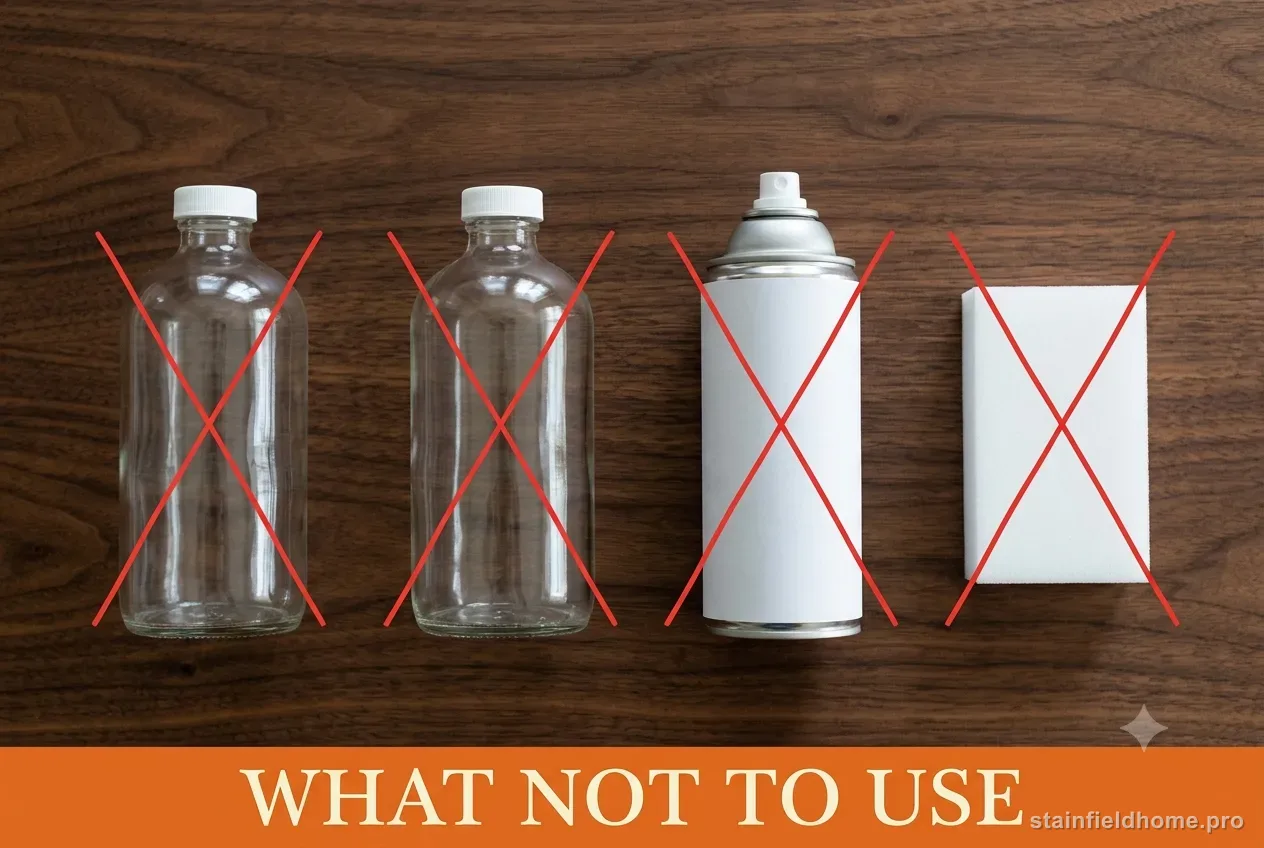
- Do not use rubbing alcohol, acetone, nail-polish remover, hairspray, or hand sanitizer without explicit finish-specific approval.
- Do not scrub with a melamine foam eraser, baking soda, toothpaste, scouring powder, or an abrasive pad.
- Do not use steel wool as routine cleaning; it intentionally alters the finish and can leave metal fragments behind.
- Do not apply oil, polish, or wax over remaining ink in an attempt to hide it.
- Do not continue when the cloth picks up finish color or the surface becomes tacky, cloudy, lighter, darker, shinier, or duller.
Prevent another pen mark
Use a washable desk mat or blotter where pens are handled, and keep uncapped pens away from upholstered chairs and finished edges. A cup that stores pens tip-up reduces leaks. Check retractable pens before placing papers on valuable furniture; pressure can transfer a line through a thin sheet even when the pen never appears to touch the wood.
Keep the furniture maker’s care sheet with purchase records and note the finish type. If a child uses the table for homework or crafts, protect the full work area rather than only the center. Promptly lifting a fresh line with a dry cloth and controlled soap foam is far easier than identifying a set mark after a solvent has already changed the coating.
Common questions
FAQ
Can I use rubbing alcohol on ballpoint ink on a wood table?
Not as a default. Alcohol can dull, soften, or dissolve some furniture finishes. Start with finish identification, a hidden test, and controlled mild-soap foam. Ask the maker or a furniture restorer before using a solvent.
Will a magic eraser remove ink from finished wood?
It may remove ink by abrasion, but it can also change the sheen and leave a larger dull patch. Avoid it on finished furniture unless the manufacturer specifically approves that product and technique.
What if the ink soaked through a scratch into bare wood?
Stop adding liquid. Ink in exposed fibers usually requires localized restoration, color blending, or refinishing. A furniture repair professional can treat the scratch without unnecessarily stripping the surrounding finish.
Sources reviewed
Keep reading
Related guides
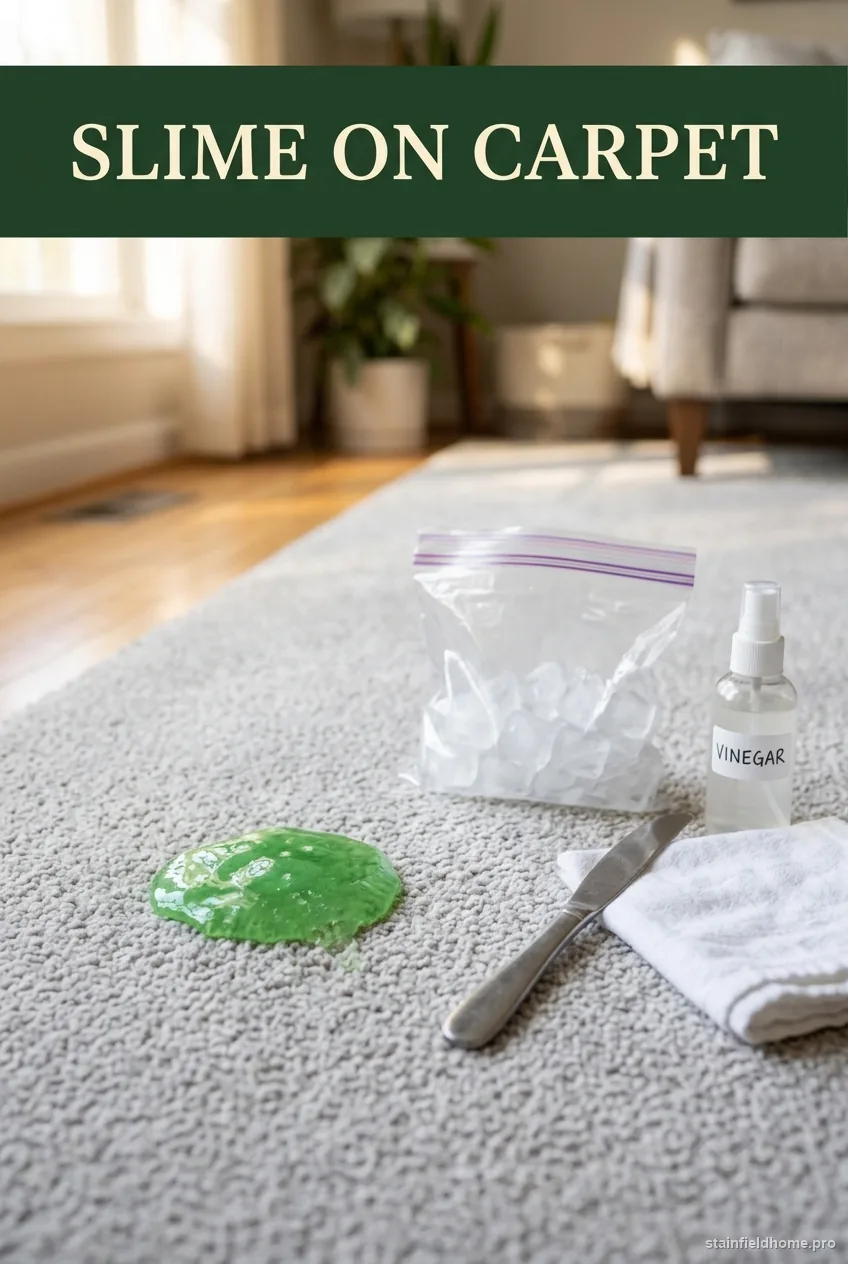
Slime on Carpet
How to Remove Slime From Carpet Without Damaging the Fibers
Lift dried or fresh slime out of carpet fibers with an ice-and-scrape method plus a vinegar or rubbing alcohol rinse, without soaking the backing or bleaching the color.
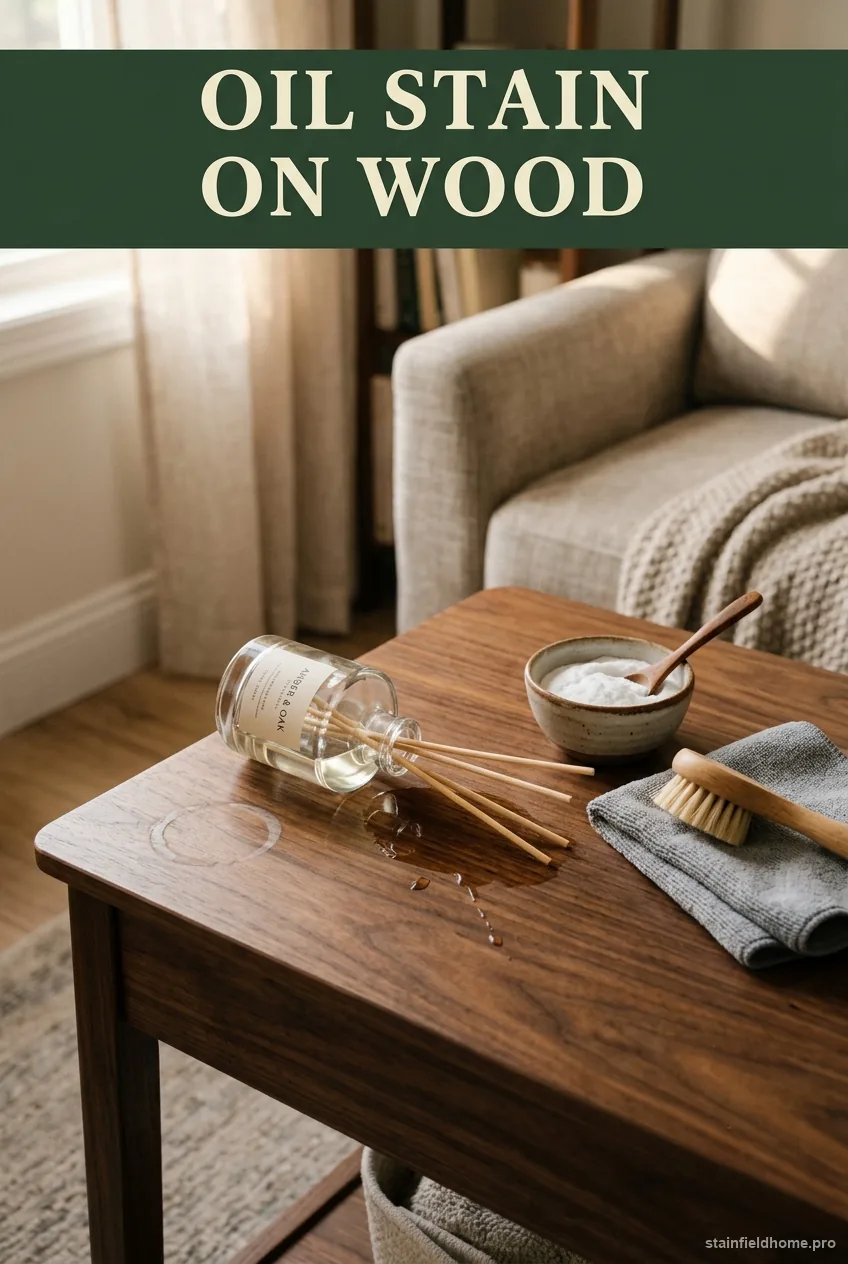
Essential oil and reed-diffuser oil on Finished wood furniture
How to Remove Essential Oil and Diffuser Stains From Wood Furniture
Blot a diffuser-oil spill on finished wood, use a cautious absorbent step, and recognize when the finish needs a furniture repair professional.
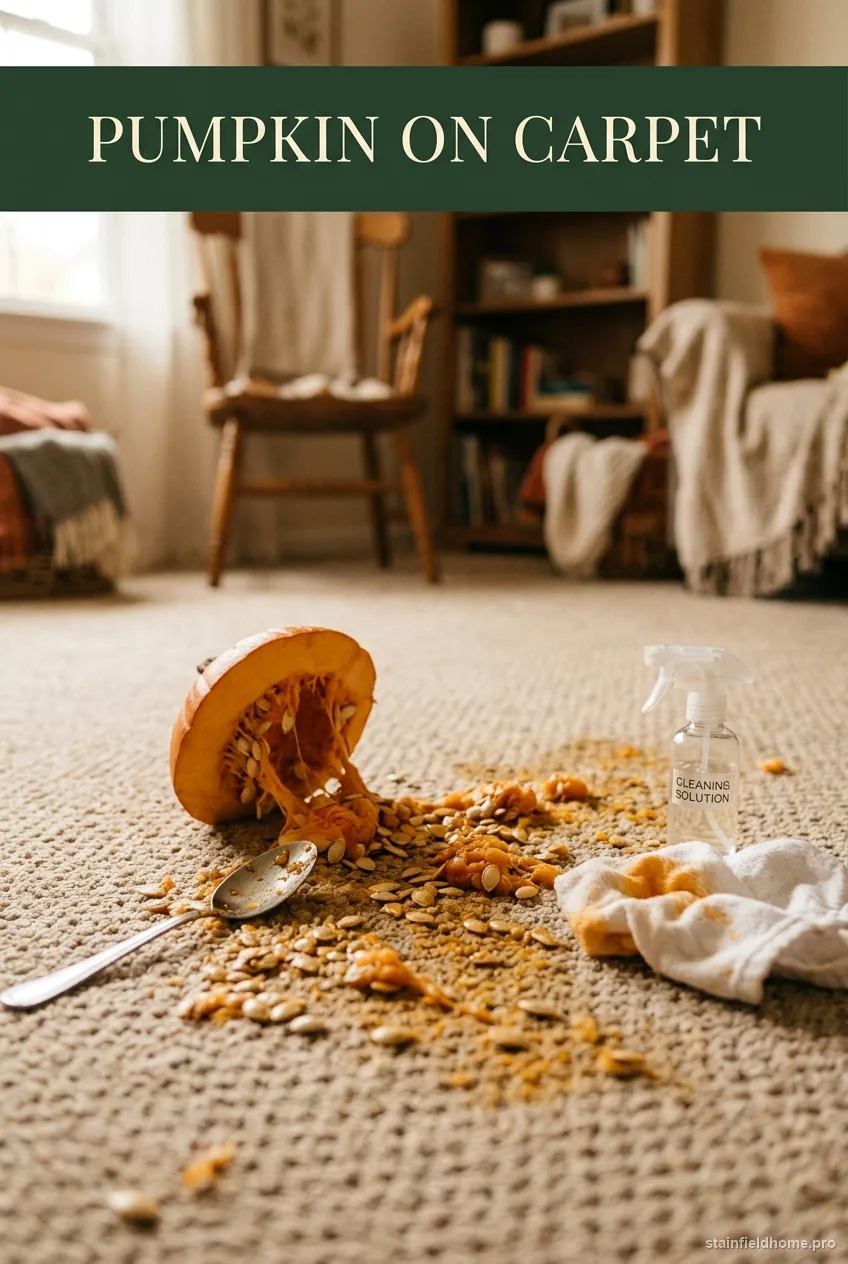
Pumpkin (carving, decorating, or puree) on Carpet
How to Remove Pumpkin Stains From Carpet
Remove pumpkin pulp and treat any remaining orange mark on carpet with a careful, low-moisture sequence that follows the carpet maker's guidance.
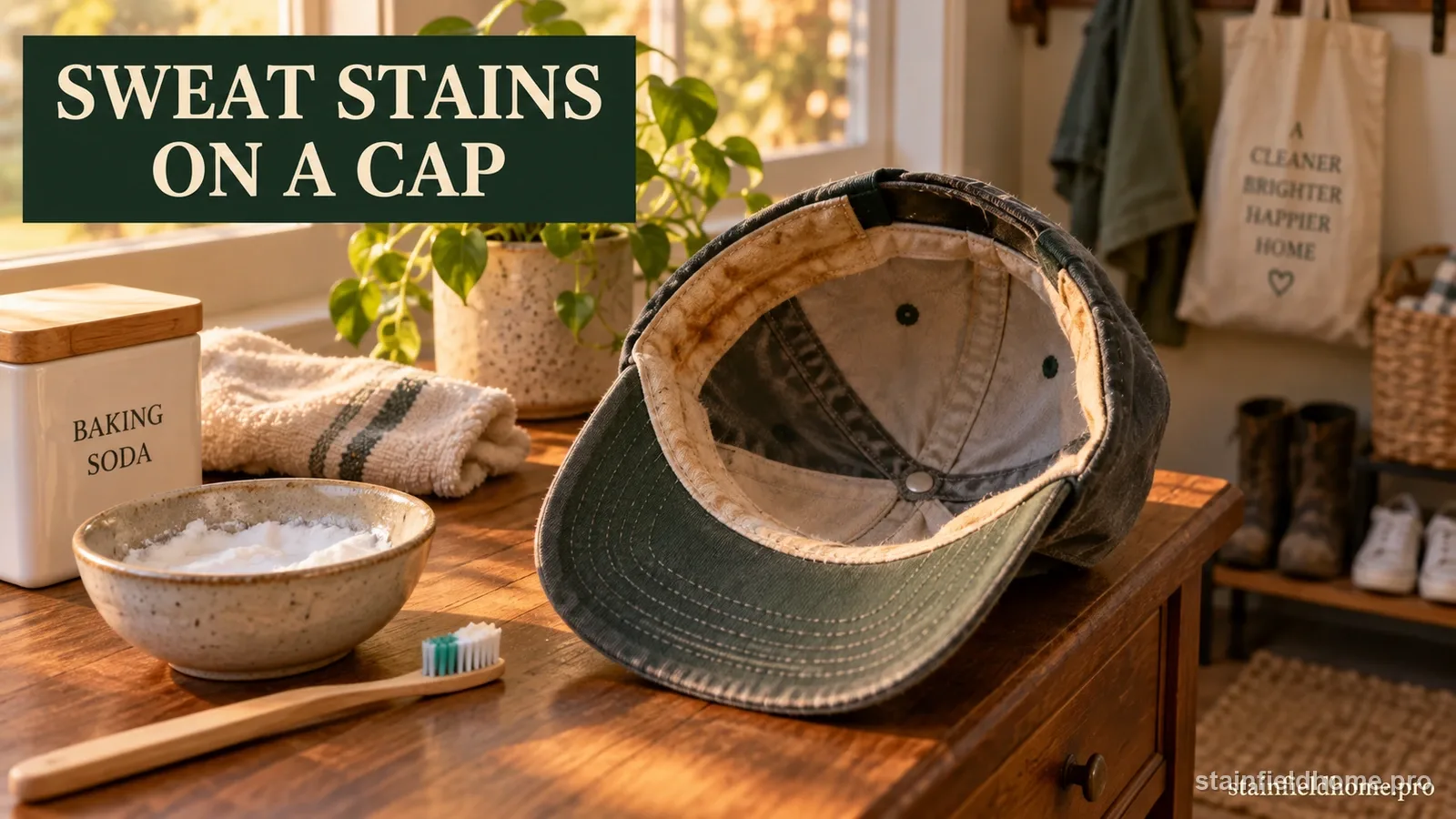
Sweat on Baseball cap
How to Remove Sweat Stains and Odor From a Baseball Cap
Lift yellow sweat stains and odor from the sweatband of a baseball cap without warping the brim or shrinking the crown.