
The quick answer
Scrape off any raised lipstick without rubbing. Lay the collar face-down on paper towels and dab dish soap or a little rubbing alcohol through the back so the color bleeds out onto the towel, not into the shirt. Rinse, work dish soap into anything left, and wash in the warmest water the care label allows. For a stubborn pink shadow on white cotton, soak in oxygen bleach. Air-dry and check before the shirt goes in the dryer.
What you’ll need
- A dull knife or a spoon edge
- White paper towels
- Grease-cutting dish soap
- Rubbing alcohol (isopropyl), for a colorfast fabric
- Oxygen bleach labeled safe for the fabric
- A white cloth
Hi. I'm the lipstick on your collar.
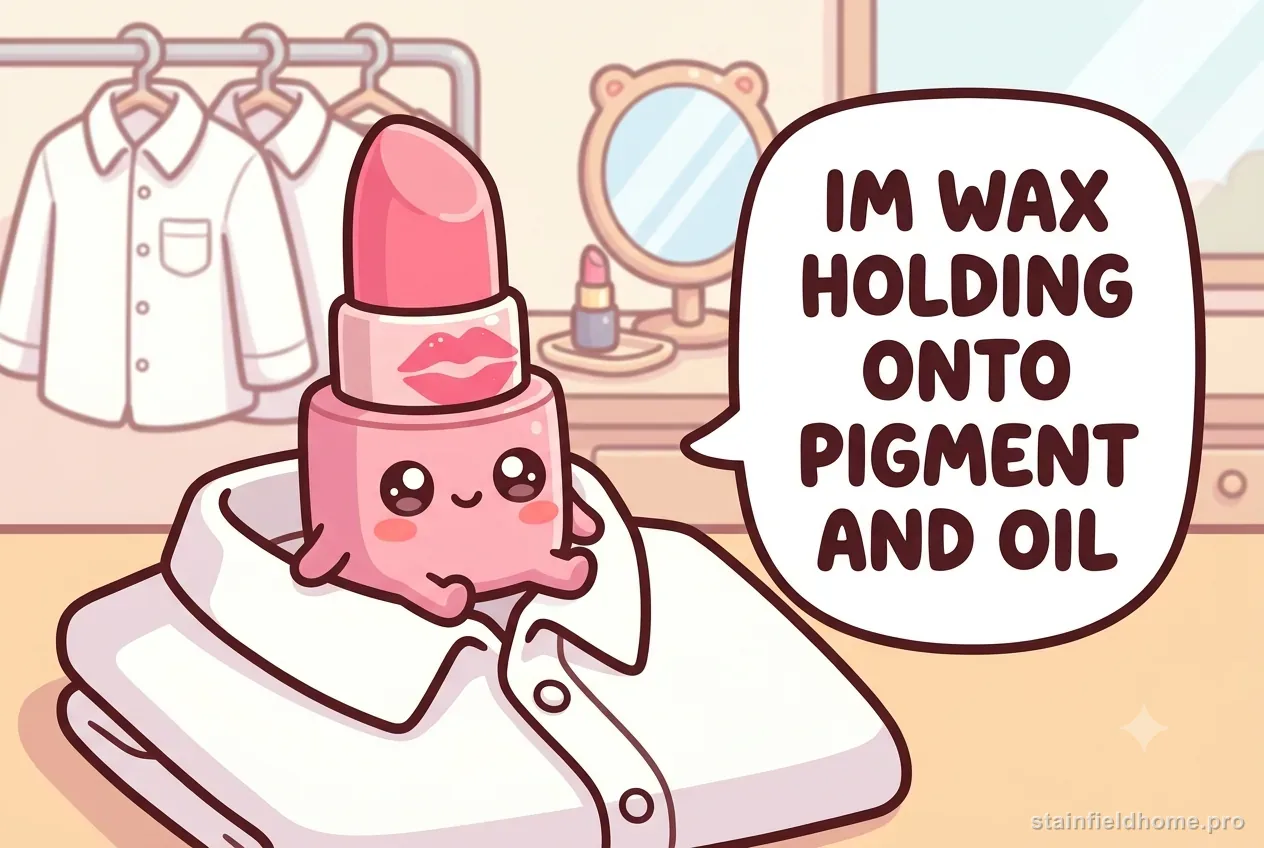
I'm a small print of color where a hug or a phone call left me behind. I'm built from three things: wax that holds my shape, pigment that gives me color, and oils that keep me creamy.
The wax is why plain washing just smears me into a longer pink streak. Melt or dissolve the wax and the pigment lets go. The trick is doing it without pressing me deeper or dragging me across clean fabric.
What kind of fabric is this?
This works on washable cotton, cotton blends, and sturdy synthetics. Silk, wool, acetate, and anything dry-clean-only should go straight to a professional described as a wax-and-dye stain.
Read the care label for the top water temperature. If you plan to use rubbing alcohol, test it first on an inside seam; it lifts many dyes, and you do not want to trade my pink for a bleached spot. Keep a stack of white paper towels ready; you will be moving me onto them.
The fresh-mark fast path
- 01
Scrape any raised, creamy lipstick off with the edge of a dull knife. Lift, do not wipe.
- 02
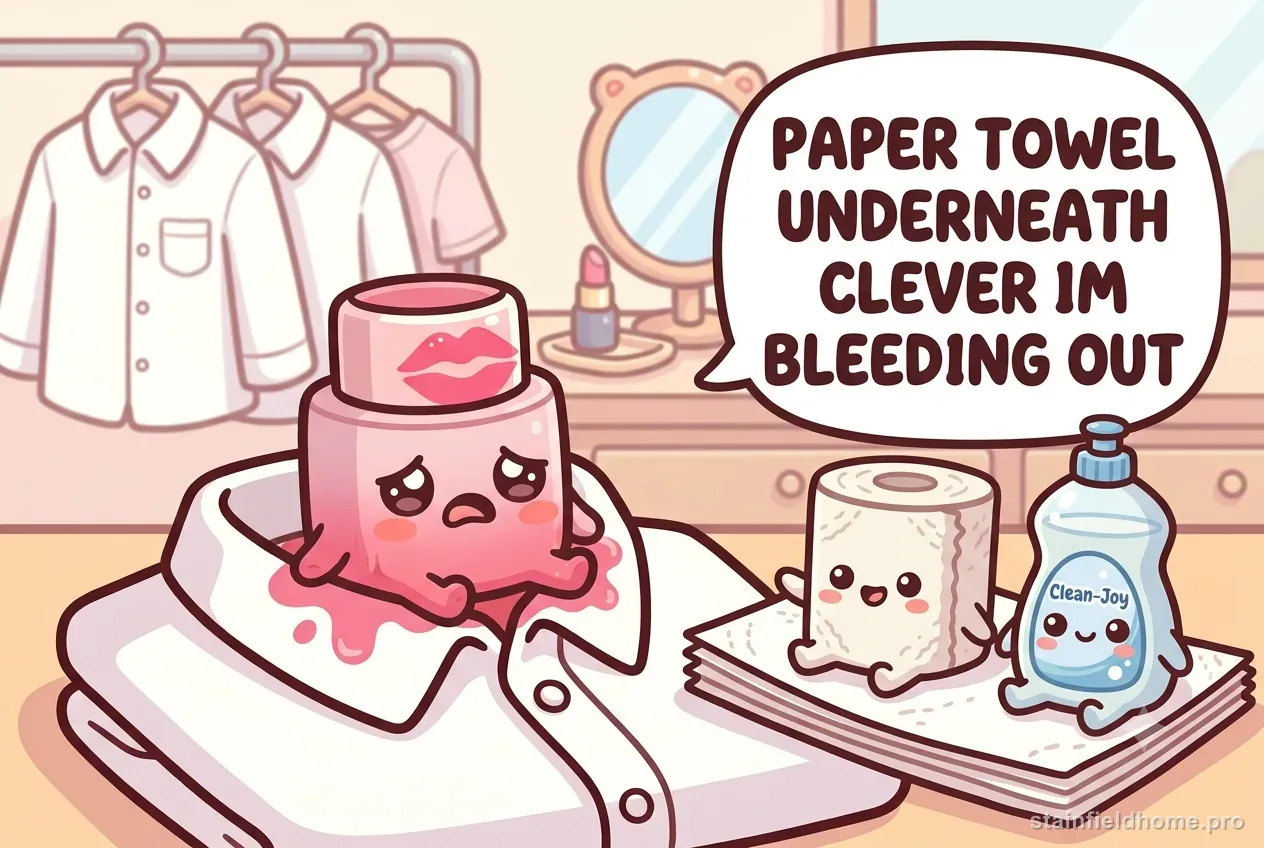
Lay the collar stain-side-down on a folded pad of white paper towels.
- 03
From the back of the fabric, dab a little dish soap, or on tested colorfast fabric a little rubbing alcohol on a cotton ball, onto the mark so I bleed downward onto the towels.
- 04
Move to a clean section of towel every few dabs. Keep going until the color stops transferring.
- 05
Rinse the area with cool water from the back.
- 06
Work a few drops of dish soap directly into any color that remains, front and back, and let it sit 10 minutes.
- 07
Wash the shirt in the warmest water the care label allows, then air-dry and inspect in daylight.
If I left a pink ghost behind
Wax and oil come out before pigment does, so a pale pink shadow is common on the first try. For white or confirmed colorfast cotton, soak the shirt in an oxygen-bleach solution for one to several hours, then wash again.
On colored fabric, repeat the dish-soap treatment and a color-safe enzyme wash instead, and accept that a trace may stay. Do not reach for chlorine bleach; on the leftover oils it can react and yellow the fabric, and it weakens cotton at the collar fold where it already wears fastest.
How a mark becomes a stain
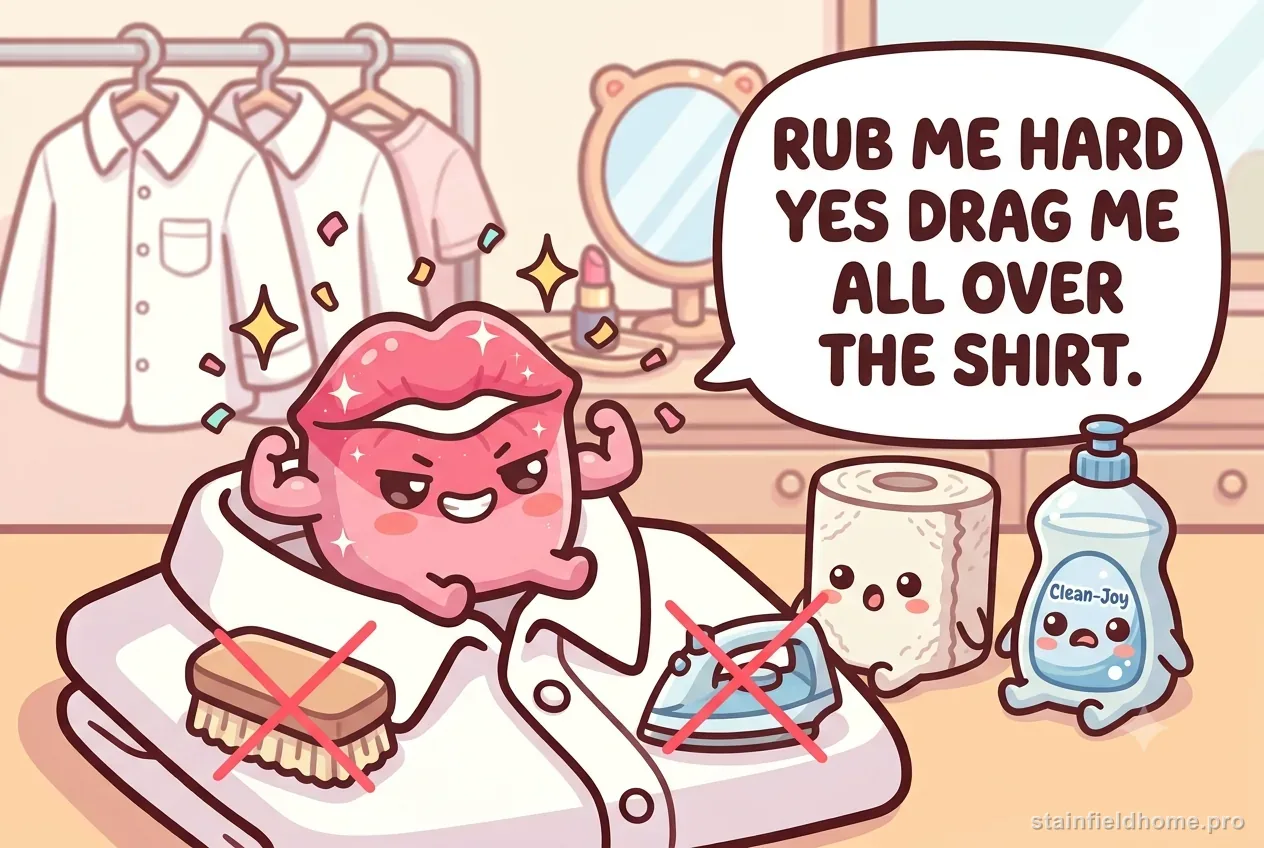
- Rubbing or wiping me, which turns a small print into a long smear
- The dryer or an iron before I am fully gone; heat sets my pigment
- Rubbing alcohol on untested colored or delicate fabric, which can lift the dye
- Dabbing from the front, which drives me into the weave instead of onto the towel
- Chlorine bleach on the leftover oils, which can yellow white cotton
- Hot water as the first step, before the wax has been dissolved
Cotton and blends versus silk and wool
On plain white cotton I'm a straightforward defeat: solvent or dish soap, then an oxygen soak. On a colored dress shirt, skip the oxygen bleach and expect two or three dish-soap rounds. Cotton-poly blends hold my oils longer and dislike high heat, so keep the wash warm, not hot.
A knit collar or a fine oxford weave fuzzes under pressure, so dab gently and let the towel underneath do the pulling. On anything with a dry-clean-only tag, do not experiment; the wax-and-dye combination is exactly what a cleaner's solvent process is built for.
My formula changes how hard I fight. A creamy or satin lipstick is mostly wax and oil, so dish soap alone often clears me. A matte or long-wear liquid lipstick swaps much of that wax for film-forming polymers and a heavier pigment load, which is why I cling; those need a solvent step (tested rubbing alcohol) before the dish soap, and usually an oxygen soak afterward. Tinted lip balm is the easy version, mostly wax with light color. Foundation and concealer on a collar behave like me too, minus the bright dye, so the same back-of-the-fabric, solvent-then-soap order works on them.
Fewer marks on your collars
Blotting lips on a tissue before a hug or a collared shirt is the real prevention. If you often find me on collars, a quick dab of dish soap worked in and left until laundry day handles most of the work.
A collar guard or an undershirt takes the contact for you and is far easier to treat or replace than a good shirt.
Common questions
FAQ
Will rubbing alcohol take lipstick out of any shirt?
It dissolves the wax and helps release the pigment, but it can also lift fabric dye. Use it only on white or tested-colorfast cotton and synthetics, applied from the back onto paper towels. On colored, delicate, or dry-clean-only fabric, use dish soap or a professional instead.
Why did the lipstick spread into a bigger pink streak?
It was wiped or dabbed from the front before the wax was dissolved. Scrape off the raised part, then work from the back of the fabric onto paper towels so the color moves out of the shirt rather than across it.
The wax is gone but there is still pink. What removes the color?
An oxygen-bleach soak on white or colorfast cotton, or repeated dish-soap treatment plus a color-safe enzyme wash on colored fabric. Keep heat off until the pink is gone, because the dryer will set whatever pigment is left.
Sources reviewed
Keep reading
Related guides
Slime on Carpet
How to Remove Slime From Carpet Without Damaging the Fibers
Lift dried or fresh slime out of carpet fibers with an ice-and-scrape method plus a vinegar or rubbing alcohol rinse, without soaking the backing or bleaching the color.
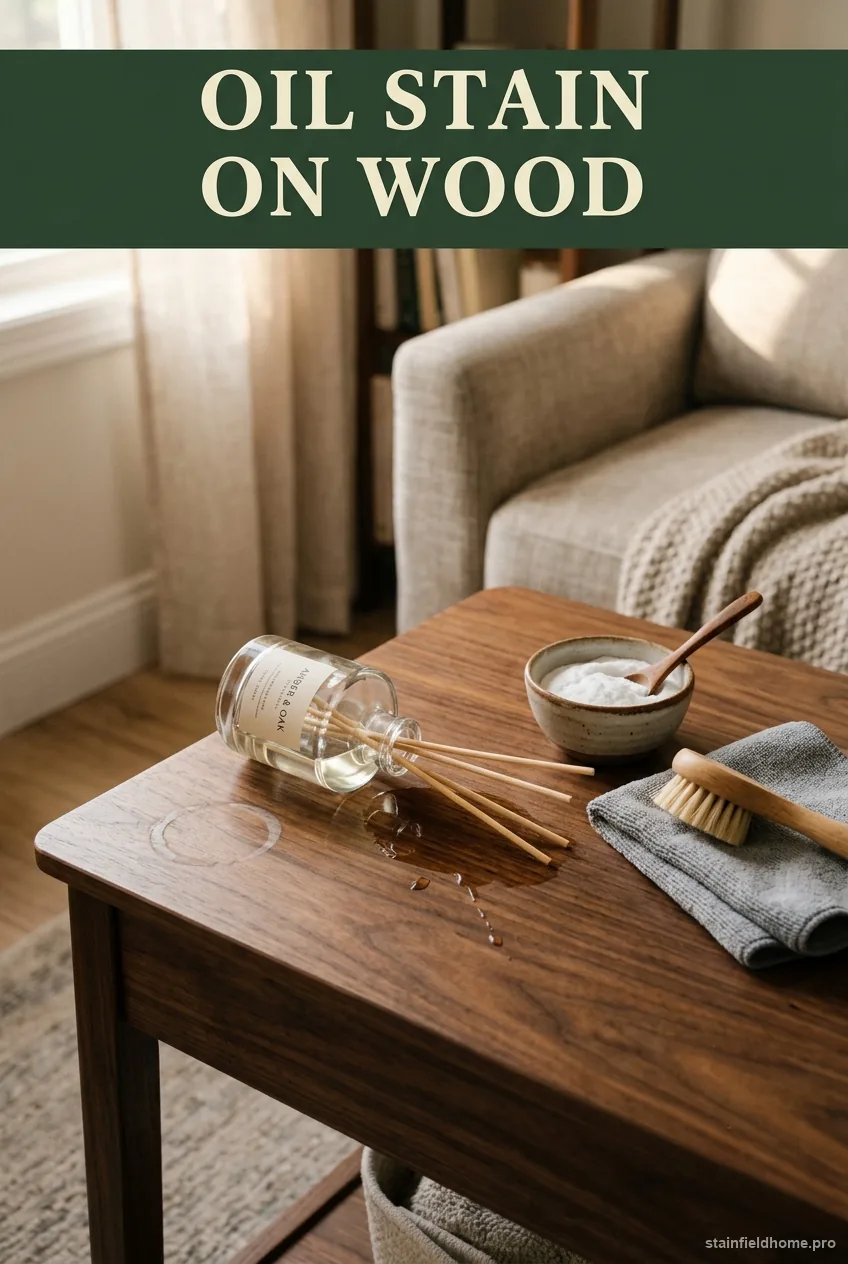
Essential oil and reed-diffuser oil on Finished wood furniture
How to Remove Essential Oil and Diffuser Stains From Wood Furniture
Blot a diffuser-oil spill on finished wood, use a cautious absorbent step, and recognize when the finish needs a furniture repair professional.
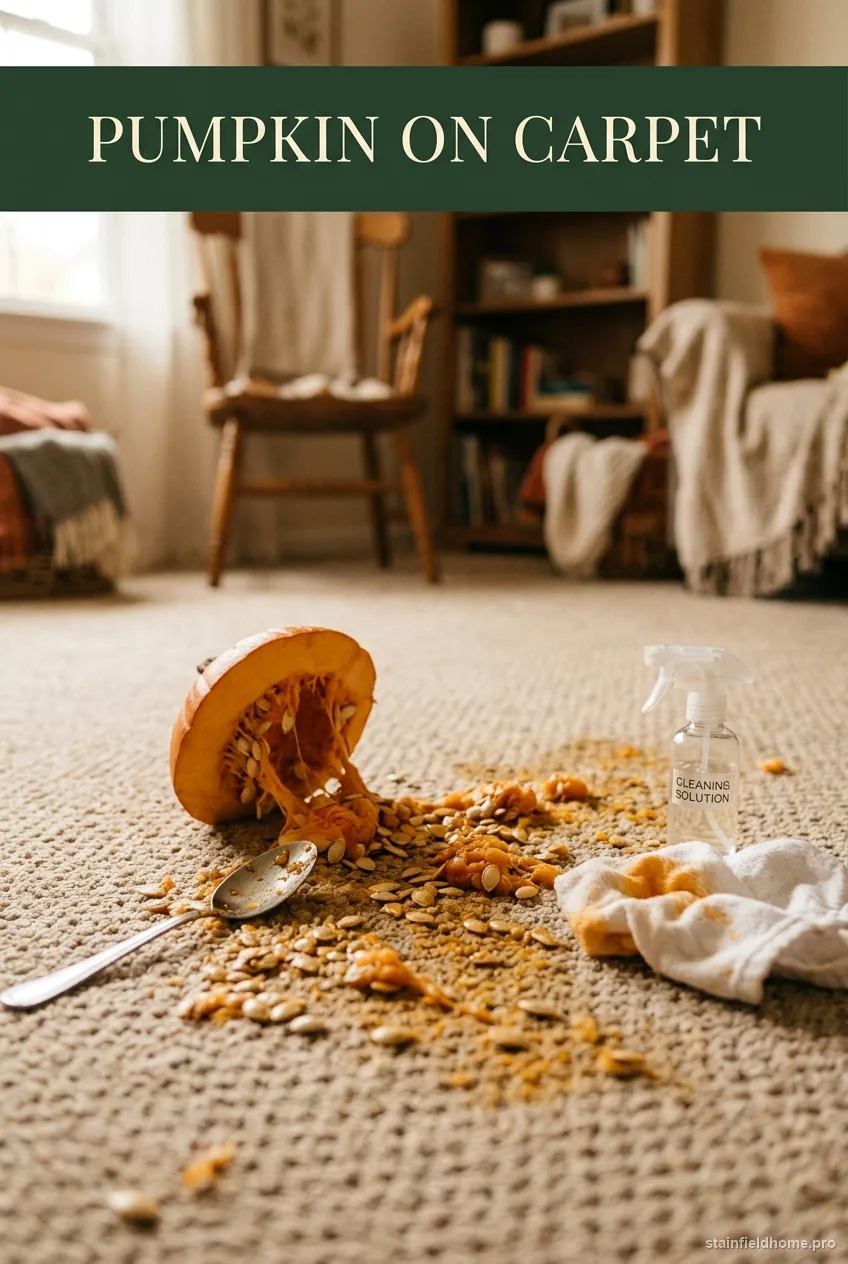
Pumpkin (carving, decorating, or puree) on Carpet
How to Remove Pumpkin Stains From Carpet
Remove pumpkin pulp and treat any remaining orange mark on carpet with a careful, low-moisture sequence that follows the carpet maker's guidance.
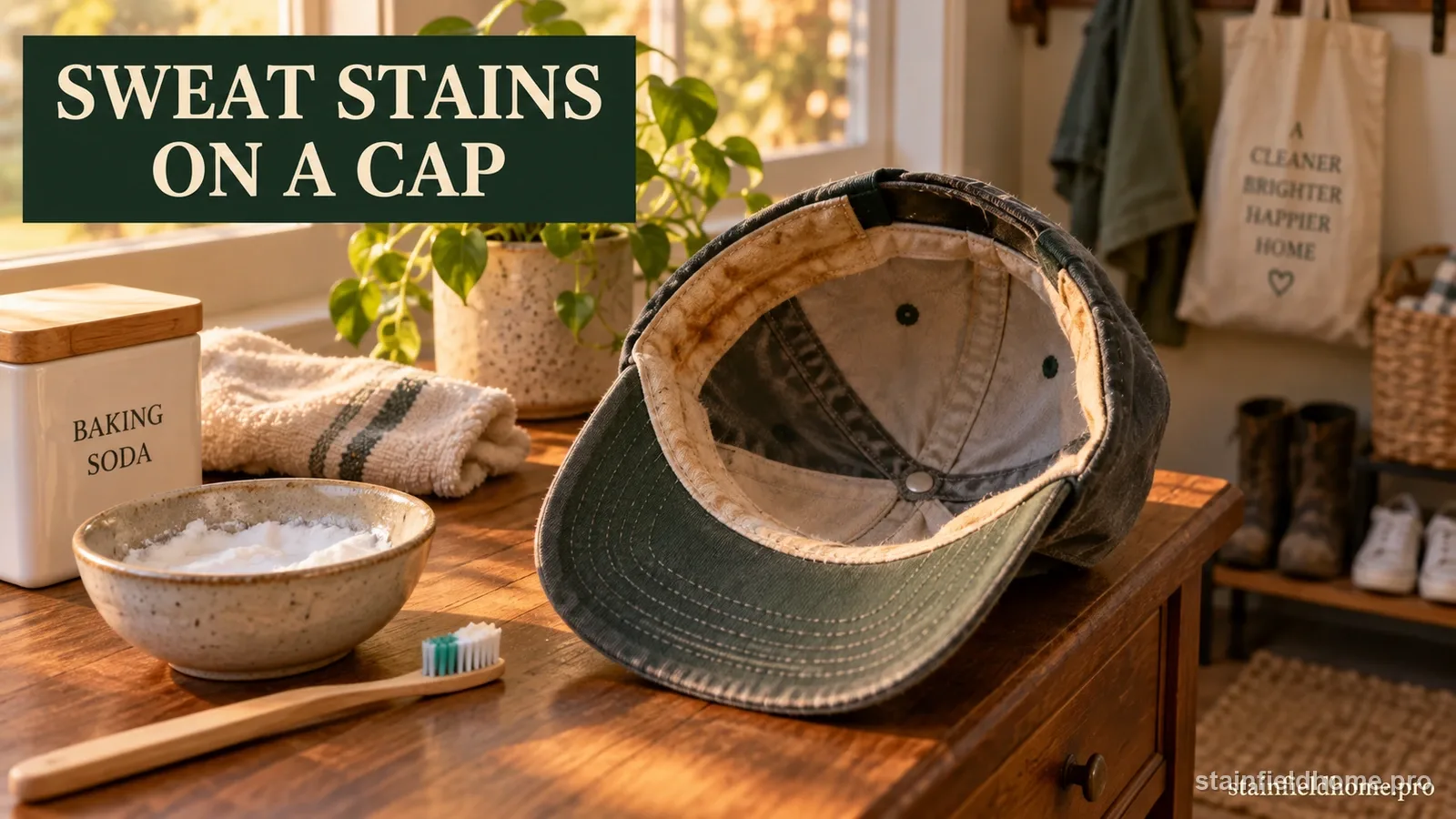
Sweat on Baseball cap
How to Remove Sweat Stains and Odor From a Baseball Cap
Lift yellow sweat stains and odor from the sweatband of a baseball cap without warping the brim or shrinking the crown.